

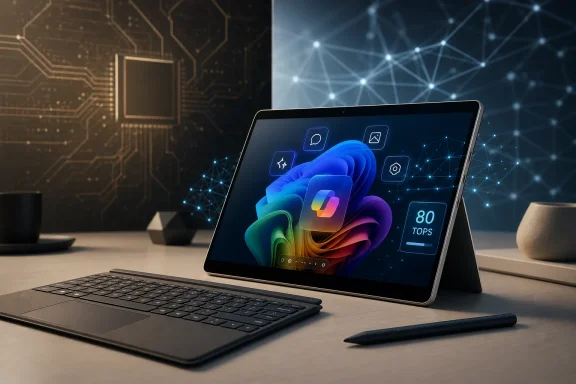
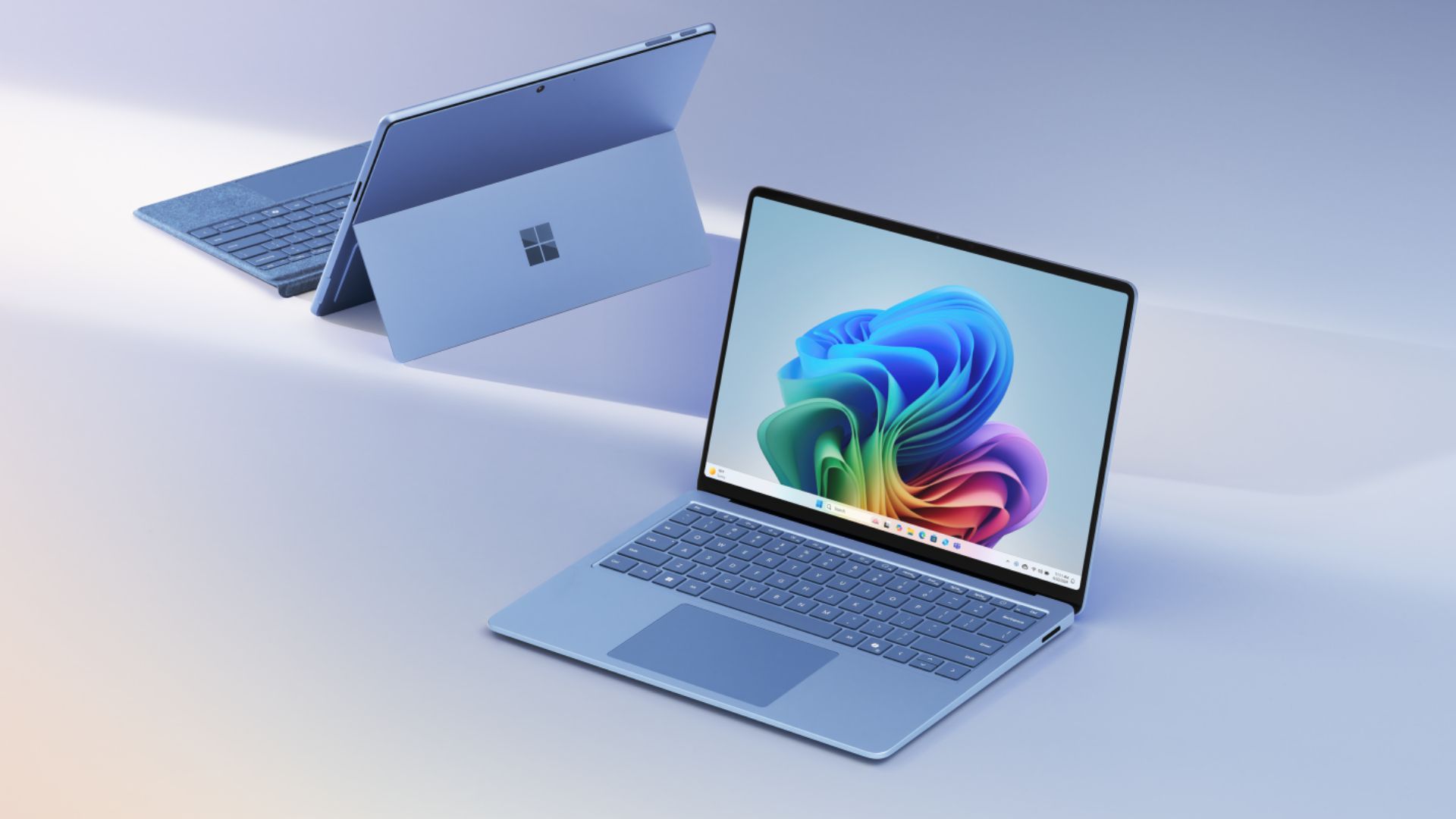
Microsoft’s next 13-inch Surface Pro is reportedly set for a June 16 reveal with Qualcomm’s Snapdragon X2 Elite, a 13-inch OLED display, 32GB of soldered memory, replaceable PCIe 4.0 storage, and an 80 TOPS neural processor for Copilot+ workloads. The leak matters less because it describes another Surface spec bump and more because it suggests Microsoft is preparing to make Windows on Arm the premium Surface story again. After years of hedging between Intel compatibility and Arm efficiency, Redmond appears to be building a two-track Surface lineup in which x86 is the safe business default and Arm is the bet on where Windows is supposed to go next.
That is a familiar promise, and Surface buyers have heard versions of it before. But the timing is different now. Qualcomm’s second-generation PC silicon, Microsoft’s increasingly aggressive Copilot+ branding, and the slow normalization of Arm-native Windows apps give this rumored Surface Pro a sharper edge than the awkward Surface Pro X era ever had.
The reported Surface Pro 13-inch does not arrive in a vacuum. Microsoft recently moved its business Surface line forward with Intel Core Ultra Series 3 processors, including updated Surface Laptop and Surface Pro models aimed at organizations that still prize predictable manageability, established drivers, and application certainty. That is the conservative half of the story.
The other half is the Arm push. Microsoft has already said Snapdragon X2-based Surface models are coming later this year, and this leak appears to put shape around one of the flagship devices. If the June 16 date holds, Microsoft will be doing what it increasingly likes to do with Surface: using hardware not merely to sell hardware, but to signal where Windows itself is headed.
That signal is important because Surface has rarely been about market share alone. The line exists as a reference design, a pressure tactic against OEMs, and a showcase for Windows features that may feel abstract on a spec sheet. A Snapdragon X2 Elite Surface Pro would be Microsoft telling the PC ecosystem that Arm is no longer the experimental branch; it is part of the main road.
The company still needs Intel, of course. Corporate Windows fleets are not going to abandon decades of x86 assumptions because a tablet promises better battery life and AI acceleration. But Microsoft can now present Intel Surface systems as the dependable choice and Snapdragon Surface systems as the aspirational one. That division may be awkward, but it is also strategically useful.
That choice says something about the Surface Pro form factor. A detachable tablet is not a workstation, no matter how often vendors photograph it next to a stylus, a coffee cup, and a rendered 3D model. Microsoft has to fit performance, thermals, battery life, display quality, and thinness into a chassis that still needs to work comfortably as a tablet. The fastest chip is not automatically the best chip for that job.
The 80 TOPS NPU number will inevitably feature in marketing because it is easy to print and hard to contextualize. TOPS, or trillions of operations per second, has become the horsepower rating of the AI PC era: useful in broad comparisons, but not a guarantee that the software stack will make your daily work feel dramatically faster. Still, it matters because Microsoft is tying more Windows features to local AI acceleration rather than cloud-only processing.
The more interesting question is not whether 80 TOPS sounds impressive. It is whether Microsoft can make those TOPS visible to normal users without turning Windows into a bundle of demos. Recall, Click to Do, Studio Effects, live captions, local image generation, and future agentic features all need hardware headroom. But they also need trust, polish, and a reason to be used after the novelty fades.
A Snapdragon X2 Elite model sharpens that tension. Arm should help with battery life, standby behavior, fan noise, and always-ready portability — precisely the qualities a tablet-first device needs. If Microsoft can deliver those gains while keeping performance credible, the Surface Pro becomes a better expression of its original promise.
But the Surface Pro also asks buyers to accept the detachable keyboard tax, the lapability trade-off, and the reality that Windows remains a desktop-first operating system wearing some tablet clothing. The optional Surface Pro Flex Keyboard sounds useful, especially if it again supports both attached and wireless use, but “optional” is doing a lot of work in Surface pricing. A Surface Pro without a keyboard may be technically complete, but few Windows users experience it that way.
The reported OLED display is another premium marker. Microsoft’s 13-inch Surface Pro line already moved into OLED territory in recent generations, and a refreshed model with another OLED panel would make sense for a high-end Arm device. For media, inking, presentation work, and general perceived quality, OLED helps Surface feel expensive in a way a processor spec never can.
A replaceable SSD does not turn the Surface Pro into a Framework-style modular machine. The memory is still reportedly soldered, and most buyers will not open the device. But storage replacement is valuable for business serviceability, data retention policies, end-of-life handling, and users who refuse to pay steep vendor premiums for capacity they might outgrow.
It also creates a useful distinction between memory and storage. If the leaked 32GB RAM figure applies broadly to this Snapdragon X2 Elite configuration, Microsoft may be avoiding one of the most irritating AI PC compromises: selling a premium machine with memory that feels barely adequate two years later. Soldered RAM is defensible in this form factor, but undersized soldered RAM is not.
The 256GB base storage option, if it ships on a high-end configuration, will still deserve scrutiny. Windows, recovery partitions, Office, Teams caches, local AI models, development tools, and creative apps can make 256GB feel cramped quickly. Replaceable storage softens that problem, but it does not erase the optics of a premium PC starting with entry-level capacity.
Windows on Arm has improved dramatically since the Surface Pro X. App compatibility is broader, emulation is better, and major developers have had more time to ship native Arm64 builds. Browsers, Office, Teams, many creative tools, and core productivity apps are no longer the problem they once were.
But for IT departments, “mostly fine” is not the same as “fleet ready.” Kernel-level drivers, endpoint security tools, virtualization workflows, developer dependencies, hardware peripherals, and niche business software remain the areas where Arm compatibility can turn from a benchmark story into a help desk ticket. This is why Microsoft’s Intel-first business launch makes sense even as it talks up Snapdragon models.
For enthusiasts, the question is simpler but no less important: will the apps you personally care about run well? If the answer is yes, the Snapdragon Surface Pro could feel like the version of the device Microsoft has been trying to build for a decade. If the answer is no, no amount of NPU marketing will matter.
That makes the Surface Pro 13-inch a test of whether Copilot+ is becoming useful or merely unavoidable. Microsoft has spent the last two years trying to make AI feel native to Windows rather than bolted onto the taskbar. Some features are genuinely practical; others feel like early-stage experiments waiting for better integration, clearer privacy controls, and real user habits.
The NPU helps only if the operating system and apps use it well. Local inference can reduce latency, improve privacy, and lower cloud dependency, but the value is workload-specific. A user who spends the day in browser tabs and remote desktops may not notice much. A user who relies on live captions, background effects, image tools, search recall, dictation, or AI-enhanced productivity workflows may notice more.
The danger for Microsoft is overpromising the AI PC moment. Buyers understand battery life, display quality, keyboard feel, app compatibility, and price. They do not yet have the same intuitive grasp of why an 80 TOPS NPU should change their next laptop purchase. Surface is Microsoft’s chance to make that argument in hardware, not just in keynote language.
That said, battery life is where Arm can still make its strongest emotional argument. Users may forgive a modest benchmark deficit if the device wakes instantly, runs cool, lasts through travel, and does not sound like it is preparing for takeoff during a video call. The Surface Pro form factor benefits disproportionately from those qualities because it is meant to be carried, held, and used away from a desk.
Intel has improved efficiency, and modern Core Ultra chips are far from the hot, short-lived ultrabook CPUs of old. But Qualcomm’s pitch remains attractive in thin devices: strong performance per watt, integrated connectivity potential, and a smartphone-like expectation of standby behavior. Microsoft does not need Snapdragon X2 Elite to beat every x86 chip in every workload. It needs it to make the Surface Pro feel less like a laptop pretending to be a tablet.
The risk is that Windows itself can blunt the advantage. Background processes, legacy app behavior, driver differences, and web workload sprawl all influence battery life. A great Arm chip inside a Windows machine still lives in the Windows ecosystem, with all the flexibility and chaos that implies.
But Surface pricing has long depended on a strange fiction. Microsoft sells the Pro as a tablet, then markets it as a laptop replacement, while the keyboard and pen often remain separate purchases. That may be defensible in product segmentation terms, but it makes price comparisons messy and sometimes unflattering.
If this Snapdragon X2 Elite model lands as a premium device, the real-world bundle price will matter more than the starting price of the tablet alone. A buyer who wants the OLED display, 32GB of RAM, 1TB of storage, keyboard, pen, and warranty coverage may quickly move from “premium portable” to “why not buy a laptop and an iPad?” territory. Surface has always lived dangerously close to that comparison.
The Alcantara keyboard finish, reportedly returning in matching colors, will please some longtime Surface fans and worry others who remember wear, staining, and texture changes over time. Microsoft’s industrial design remains one of Surface’s strengths, but materials choices are not just aesthetic. They affect how a device ages.
The rumored colors — Black, Platinum, and Dune — suggest Microsoft is not planning a radical redesign. That is probably wise. The Surface Pro silhouette is recognizable, and the market does not need a new hinge experiment every cycle. The battle is now inside the chassis: silicon, thermals, battery behavior, display quality, and software.
A conservative exterior also helps Microsoft frame the device as continuity rather than risk. The company can say, in effect, that this is the Surface Pro users already understand, now with a more efficient Arm platform and stronger AI hardware. That is a much easier sell than asking buyers to embrace both a new architecture and an unfamiliar form factor at the same time.
Still, leaks are leaks. Final configurations, prices, regional availability, business versus consumer positioning, and ship dates may differ. The most important unknown is not whether the device exists, but where Microsoft places it in the lineup. A Snapdragon Surface Pro can be a halo product, a mainstream option, or an expensive curiosity depending on pricing.
The first question will be application compatibility. The second will be device management. The third will be supportability over a normal corporate lifecycle. Microsoft can answer some of that through Windows, Intune, firmware management, and Surface support channels, but every organization has its own software graveyard.
There is also a procurement question. If Intel Surface Pro systems are available now and Snapdragon X2 models arrive later, businesses may choose the platform that fits refresh schedules rather than the one that looks more future-facing. Corporate fleets move on budget cycles, not keynote cycles.
Security-minded buyers will watch the AI features closely. Local processing can be a privacy advantage, but features that index user activity, inspect screen contents, or integrate deeply with productivity data need clear controls. Microsoft has learned, sometimes painfully, that AI features in Windows must be designed for trust as much as capability.
The notable part is Microsoft’s apparent confidence that a flagship Surface Pro can again lead with Arm. That was not always obvious. The Surface Pro X was beautiful but compromised, a device whose hardware ambition outpaced Windows on Arm’s software readiness. The first Copilot+ wave improved the equation, but still had to prove that Arm PCs could be normal PCs, not special-case machines for patient early adopters.
A Snapdragon X2 Elite Surface Pro would enter a different market. Users are more familiar with Arm laptops because Apple forced the industry to take the architecture seriously. Developers have had more time to adapt. Microsoft has had more time to improve emulation and align Windows features around NPUs. Qualcomm has had another generation to address performance and efficiency.
That does not guarantee success. But it does mean the conversation can move from “does Windows on Arm work?” to “is this the better Surface Pro?” That is the question Microsoft has wanted buyers to ask all along.
That is a familiar promise, and Surface buyers have heard versions of it before. But the timing is different now. Qualcomm’s second-generation PC silicon, Microsoft’s increasingly aggressive Copilot+ branding, and the slow normalization of Arm-native Windows apps give this rumored Surface Pro a sharper edge than the awkward Surface Pro X era ever had.
 Microsoft’s Surface Strategy Is Becoming a Split-Screen Story
The reported Surface Pro 13-inch does not arrive in a vacuum. Microsoft recently moved its business Surface line forward with Intel Core Ultra Series 3 processors, including updated Surface Laptop and Surface Pro models aimed at organizations that still prize predictable manageability, established drivers, and application certainty. That is the conservative half of the story.The other half is the Arm push. Microsoft has already said Snapdragon X2-based Surface models are coming later this year, and this leak appears to put shape around one of the flagship devices. If the June 16 date holds, Microsoft will be doing what it increasingly likes to do with Surface: using hardware not merely to sell hardware, but to signal where Windows itself is headed.
That signal is important because Surface has rarely been about market share alone. The line exists as a reference design, a pressure tactic against OEMs, and a showcase for Windows features that may feel abstract on a spec sheet. A Snapdragon X2 Elite Surface Pro would be Microsoft telling the PC ecosystem that Arm is no longer the experimental branch; it is part of the main road.
The company still needs Intel, of course. Corporate Windows fleets are not going to abandon decades of x86 assumptions because a tablet promises better battery life and AI acceleration. But Microsoft can now present Intel Surface systems as the dependable choice and Snapdragon Surface systems as the aspirational one. That division may be awkward, but it is also strategically useful.
The Snapdragon X2 Elite Leak Is About More Than Core Counts
The reported chip configuration is intriguing because it points to the Snapdragon X2 Elite rather than the most extreme possible Qualcomm option. The leak describes a 12-core Oryon design paired with 32GB of soldered RAM and an 80 TOPS Hexagon NPU. On paper, that is enough to place the device firmly in the Copilot+ PC category while avoiding the thermal and pricing implications of the highest-end Snapdragon X2 Elite Extreme tier.That choice says something about the Surface Pro form factor. A detachable tablet is not a workstation, no matter how often vendors photograph it next to a stylus, a coffee cup, and a rendered 3D model. Microsoft has to fit performance, thermals, battery life, display quality, and thinness into a chassis that still needs to work comfortably as a tablet. The fastest chip is not automatically the best chip for that job.
The 80 TOPS NPU number will inevitably feature in marketing because it is easy to print and hard to contextualize. TOPS, or trillions of operations per second, has become the horsepower rating of the AI PC era: useful in broad comparisons, but not a guarantee that the software stack will make your daily work feel dramatically faster. Still, it matters because Microsoft is tying more Windows features to local AI acceleration rather than cloud-only processing.
The more interesting question is not whether 80 TOPS sounds impressive. It is whether Microsoft can make those TOPS visible to normal users without turning Windows into a bundle of demos. Recall, Click to Do, Studio Effects, live captions, local image generation, and future agentic features all need hardware headroom. But they also need trust, polish, and a reason to be used after the novelty fades.
The Surface Pro Is Still the Hardest PC to Get Right
The Surface Pro remains one of Microsoft’s most influential designs because it is also one of the most compromised. It tries to be a tablet, a laptop, a digital notebook, a portable meeting machine, and a premium Windows showcase. Every generation improves some part of that equation, but the basic tension never disappears.A Snapdragon X2 Elite model sharpens that tension. Arm should help with battery life, standby behavior, fan noise, and always-ready portability — precisely the qualities a tablet-first device needs. If Microsoft can deliver those gains while keeping performance credible, the Surface Pro becomes a better expression of its original promise.
But the Surface Pro also asks buyers to accept the detachable keyboard tax, the lapability trade-off, and the reality that Windows remains a desktop-first operating system wearing some tablet clothing. The optional Surface Pro Flex Keyboard sounds useful, especially if it again supports both attached and wireless use, but “optional” is doing a lot of work in Surface pricing. A Surface Pro without a keyboard may be technically complete, but few Windows users experience it that way.
The reported OLED display is another premium marker. Microsoft’s 13-inch Surface Pro line already moved into OLED territory in recent generations, and a refreshed model with another OLED panel would make sense for a high-end Arm device. For media, inking, presentation work, and general perceived quality, OLED helps Surface feel expensive in a way a processor spec never can.
Replaceable Storage Is the Quietly Sensible Part of the Leak
The leaked storage story is more practical than glamorous. Reported configurations include 256GB, 512GB, and 1TB SSD options, with PCIe 4.0 storage and a replaceable SSD. That matters because Surface has not always been friendly to repair, upgrade, or service conversations, even as Microsoft has improved its posture in recent years.A replaceable SSD does not turn the Surface Pro into a Framework-style modular machine. The memory is still reportedly soldered, and most buyers will not open the device. But storage replacement is valuable for business serviceability, data retention policies, end-of-life handling, and users who refuse to pay steep vendor premiums for capacity they might outgrow.
It also creates a useful distinction between memory and storage. If the leaked 32GB RAM figure applies broadly to this Snapdragon X2 Elite configuration, Microsoft may be avoiding one of the most irritating AI PC compromises: selling a premium machine with memory that feels barely adequate two years later. Soldered RAM is defensible in this form factor, but undersized soldered RAM is not.
The 256GB base storage option, if it ships on a high-end configuration, will still deserve scrutiny. Windows, recovery partitions, Office, Teams caches, local AI models, development tools, and creative apps can make 256GB feel cramped quickly. Replaceable storage softens that problem, but it does not erase the optics of a premium PC starting with entry-level capacity.
Windows on Arm Is Better, but Compatibility Is Still the Sales Objection
The leak reportedly points to x86 emulation support, which is both necessary and slightly revealing. Nobody buys a Windows PC because it can run only the modern, clean, Arm-native future. They buy a Windows PC because it runs the messy present: old utilities, VPN clients, printer software, line-of-business tools, obscure installers, shell extensions, and that one accounting package nobody wants to touch.Windows on Arm has improved dramatically since the Surface Pro X. App compatibility is broader, emulation is better, and major developers have had more time to ship native Arm64 builds. Browsers, Office, Teams, many creative tools, and core productivity apps are no longer the problem they once were.
But for IT departments, “mostly fine” is not the same as “fleet ready.” Kernel-level drivers, endpoint security tools, virtualization workflows, developer dependencies, hardware peripherals, and niche business software remain the areas where Arm compatibility can turn from a benchmark story into a help desk ticket. This is why Microsoft’s Intel-first business launch makes sense even as it talks up Snapdragon models.
For enthusiasts, the question is simpler but no less important: will the apps you personally care about run well? If the answer is yes, the Snapdragon Surface Pro could feel like the version of the device Microsoft has been trying to build for a decade. If the answer is no, no amount of NPU marketing will matter.
Copilot+ PCs Need a Reason to Exist Beyond the Sticker
The rumored Surface Pro is almost certainly a Copilot+ PC, and that label is now central to Microsoft’s consumer Windows hardware pitch. Copilot+ began as a way to distinguish machines with sufficiently powerful NPUs for local AI features. It is now becoming something broader: a branding umbrella for the next Windows experience Microsoft wants to sell.That makes the Surface Pro 13-inch a test of whether Copilot+ is becoming useful or merely unavoidable. Microsoft has spent the last two years trying to make AI feel native to Windows rather than bolted onto the taskbar. Some features are genuinely practical; others feel like early-stage experiments waiting for better integration, clearer privacy controls, and real user habits.
The NPU helps only if the operating system and apps use it well. Local inference can reduce latency, improve privacy, and lower cloud dependency, but the value is workload-specific. A user who spends the day in browser tabs and remote desktops may not notice much. A user who relies on live captions, background effects, image tools, search recall, dictation, or AI-enhanced productivity workflows may notice more.
The danger for Microsoft is overpromising the AI PC moment. Buyers understand battery life, display quality, keyboard feel, app compatibility, and price. They do not yet have the same intuitive grasp of why an 80 TOPS NPU should change their next laptop purchase. Surface is Microsoft’s chance to make that argument in hardware, not just in keynote language.
Battery Life Is Where the Rumor Meets Reality
The reported battery estimate of up to 15.5 hours of video playback sounds plausible and marketable, but local video playback is one of the friendliest battery tests a modern PC can face. It says less about a real workday full of browser tabs, Teams calls, OneDrive sync, Bluetooth accessories, background indexing, and mixed native and emulated apps. Surface buyers should treat the number as a ceiling, not a promise.That said, battery life is where Arm can still make its strongest emotional argument. Users may forgive a modest benchmark deficit if the device wakes instantly, runs cool, lasts through travel, and does not sound like it is preparing for takeoff during a video call. The Surface Pro form factor benefits disproportionately from those qualities because it is meant to be carried, held, and used away from a desk.
Intel has improved efficiency, and modern Core Ultra chips are far from the hot, short-lived ultrabook CPUs of old. But Qualcomm’s pitch remains attractive in thin devices: strong performance per watt, integrated connectivity potential, and a smartphone-like expectation of standby behavior. Microsoft does not need Snapdragon X2 Elite to beat every x86 chip in every workload. It needs it to make the Surface Pro feel less like a laptop pretending to be a tablet.
The risk is that Windows itself can blunt the advantage. Background processes, legacy app behavior, driver differences, and web workload sprawl all influence battery life. A great Arm chip inside a Windows machine still lives in the Windows ecosystem, with all the flexibility and chaos that implies.
The Optional Keyboard Problem Has Never Gone Away
The reported Surface Pro 13-inch Flex Keyboard is exactly the sort of accessory Microsoft loves: technically clever, visually polished, and very likely expensive. The ability to use the keyboard attached or wirelessly is not a gimmick. It can make a Surface Pro more comfortable on a cramped desk, a couch, or a meeting room table, and it reinforces the device’s hybrid identity.But Surface pricing has long depended on a strange fiction. Microsoft sells the Pro as a tablet, then markets it as a laptop replacement, while the keyboard and pen often remain separate purchases. That may be defensible in product segmentation terms, but it makes price comparisons messy and sometimes unflattering.
If this Snapdragon X2 Elite model lands as a premium device, the real-world bundle price will matter more than the starting price of the tablet alone. A buyer who wants the OLED display, 32GB of RAM, 1TB of storage, keyboard, pen, and warranty coverage may quickly move from “premium portable” to “why not buy a laptop and an iPad?” territory. Surface has always lived dangerously close to that comparison.
The Alcantara keyboard finish, reportedly returning in matching colors, will please some longtime Surface fans and worry others who remember wear, staining, and texture changes over time. Microsoft’s industrial design remains one of Surface’s strengths, but materials choices are not just aesthetic. They affect how a device ages.
The June 16 Date Would Put Microsoft Back in the Arm Spotlight
A June 16 reveal would give Microsoft a neatly timed second act after its Intel business Surface announcements. It would also let the company talk about Windows on Arm while Computex-era PC news is still fresh and while Qualcomm’s Snapdragon X2 story has momentum. The calendar is part of the message.The rumored colors — Black, Platinum, and Dune — suggest Microsoft is not planning a radical redesign. That is probably wise. The Surface Pro silhouette is recognizable, and the market does not need a new hinge experiment every cycle. The battle is now inside the chassis: silicon, thermals, battery behavior, display quality, and software.
A conservative exterior also helps Microsoft frame the device as continuity rather than risk. The company can say, in effect, that this is the Surface Pro users already understand, now with a more efficient Arm platform and stronger AI hardware. That is a much easier sell than asking buyers to embrace both a new architecture and an unfamiliar form factor at the same time.
Still, leaks are leaks. Final configurations, prices, regional availability, business versus consumer positioning, and ship dates may differ. The most important unknown is not whether the device exists, but where Microsoft places it in the lineup. A Snapdragon Surface Pro can be a halo product, a mainstream option, or an expensive curiosity depending on pricing.
Enterprise IT Will Read the Fine Print Before the Hype
For IT pros, the rumored Surface Pro is interesting but not automatically deployable. The Surface brand carries enterprise credibility, but Arm introduces validation work that many organizations would rather avoid unless there is a clear payoff. That payoff could be battery life, portability, security features, or better support for AI-enabled workflows.The first question will be application compatibility. The second will be device management. The third will be supportability over a normal corporate lifecycle. Microsoft can answer some of that through Windows, Intune, firmware management, and Surface support channels, but every organization has its own software graveyard.
There is also a procurement question. If Intel Surface Pro systems are available now and Snapdragon X2 models arrive later, businesses may choose the platform that fits refresh schedules rather than the one that looks more future-facing. Corporate fleets move on budget cycles, not keynote cycles.
Security-minded buyers will watch the AI features closely. Local processing can be a privacy advantage, but features that index user activity, inspect screen contents, or integrate deeply with productivity data need clear controls. Microsoft has learned, sometimes painfully, that AI features in Windows must be designed for trust as much as capability.
The Real Upgrade Is Microsoft’s Confidence
What makes this leak notable is not any single specification. OLED is expected. USB-C 4.0 is expected. Replaceable SSDs are welcome but not revolutionary. An 80 TOPS NPU is impressive, but it belongs to the broader Snapdragon X2 platform story.The notable part is Microsoft’s apparent confidence that a flagship Surface Pro can again lead with Arm. That was not always obvious. The Surface Pro X was beautiful but compromised, a device whose hardware ambition outpaced Windows on Arm’s software readiness. The first Copilot+ wave improved the equation, but still had to prove that Arm PCs could be normal PCs, not special-case machines for patient early adopters.
A Snapdragon X2 Elite Surface Pro would enter a different market. Users are more familiar with Arm laptops because Apple forced the industry to take the architecture seriously. Developers have had more time to adapt. Microsoft has had more time to improve emulation and align Windows features around NPUs. Qualcomm has had another generation to address performance and efficiency.
That does not guarantee success. But it does mean the conversation can move from “does Windows on Arm work?” to “is this the better Surface Pro?” That is the question Microsoft has wanted buyers to ask all along.
The Surface Pro Leak Draws a Cleaner Map for Buyers
If the leak holds, the buying logic around Microsoft’s 2026 Surface lineup becomes clearer, even if the lineup itself becomes more crowded. The Intel systems are the known quantity. The Snapdragon systems are the mobility and AI bet. The trick is matching the machine to the workload rather than treating one architecture as universally superior.- The rumored Surface Pro 13-inch is best understood as an Arm-first premium refresh, not merely a faster version of the Intel business model.
- The reported Snapdragon X2 Elite and 80 TOPS NPU would make the device a serious Copilot+ showcase, but AI performance will matter only where Windows and apps use it well.
- The replaceable PCIe 4.0 SSD is a practical win for serviceability and long-term storage flexibility, even though soldered memory still limits upgradeability.
- The biggest remaining risk is not raw performance but compatibility with older apps, drivers, peripherals, and enterprise tools.
- The final value judgment will depend heavily on Microsoft’s bundle pricing for the tablet, Flex Keyboard, Slim Pen, storage upgrades, and warranty coverage.
References
- Primary source: TechJuice
Published: 2026-06-04T14:43:09.153918
Loading…
www.techjuice.pk - Related coverage: windowscentral.com
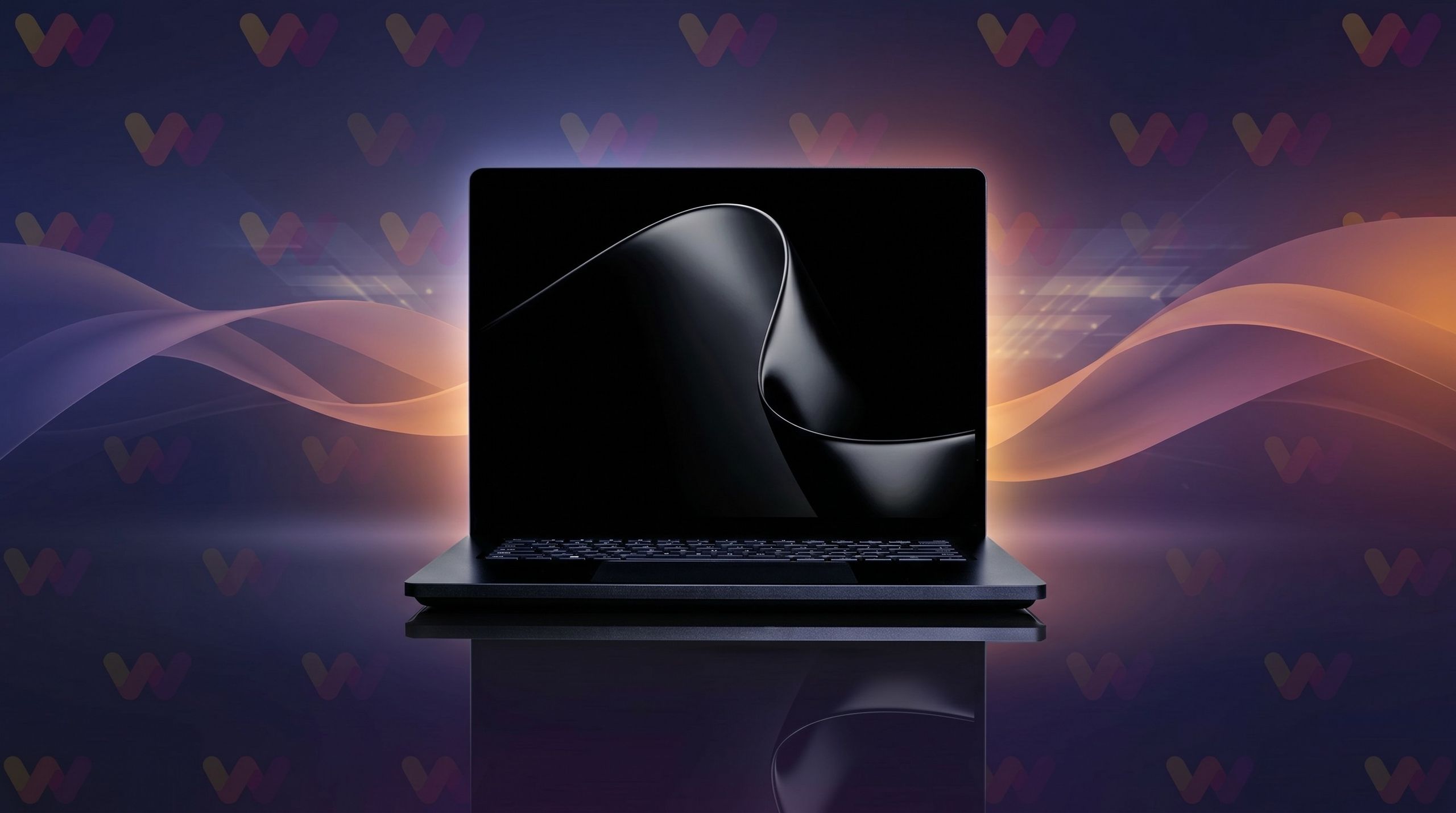
Microsoft and NVIDIA’s Surface Laptop Ultra pushes Windows on Arm into high‑performance territory
Microsoft and NVIDIA unveil the Surface Laptop Ultra, a 128GB RAM beast with Blackwell graphics and a mini-LED display that redefines performance for Windows on Arm. www.windowscentral.com
- Related coverage: phonearena.com
Loading…
www.phonearena.com - Related coverage: frandroid.com
Loading…
www.frandroid.com - Related coverage: notebookcheck.com
Loading…
www.notebookcheck.com - Related coverage: windowsforum.com
Loading…
windowsforum.com
- Related coverage: gadgetsnow.indiatimes.com
Loading…
gadgetsnow.indiatimes.com - Official source: 9to5google.com

Microsoft Surface Pro with Snapdragon X2 Elite leaks with June release date [Gallery]
A new leak reveals Microsoft’s next-gen Surface Pro that’s powered by the Snapdragon X2 Elite and due to be released... 9to5google.com
- Related coverage: notebookcheck.net

New Microsoft Surface PCs launching with Qualcomm Snapdragon X2 in 2026
Microsoft has released Surface Laptop 8 and Surface Pro 12 devices globally. At the same time, the company has confirmed that Qualcomm Snapdragon X2 models are coming, but not until 'later this year'. www.notebookcheck.net
- Official source: microsoft.com
Loading…
www.microsoft.com - Related coverage: fanaticosdelhardware.com
Loading…
fanaticosdelhardware.com - Related coverage: thurrott.com

Microsoft's New Surface Pro With Snapdragon X2 Elite Chip Leaks
Leaked marketing images of Microsoft's refreshed 13-inch Surface Pro with a Snapdragon X2 Elite chip suggest that an official announcement is imminent. www.thurrott.com
- Related coverage: itpro.com
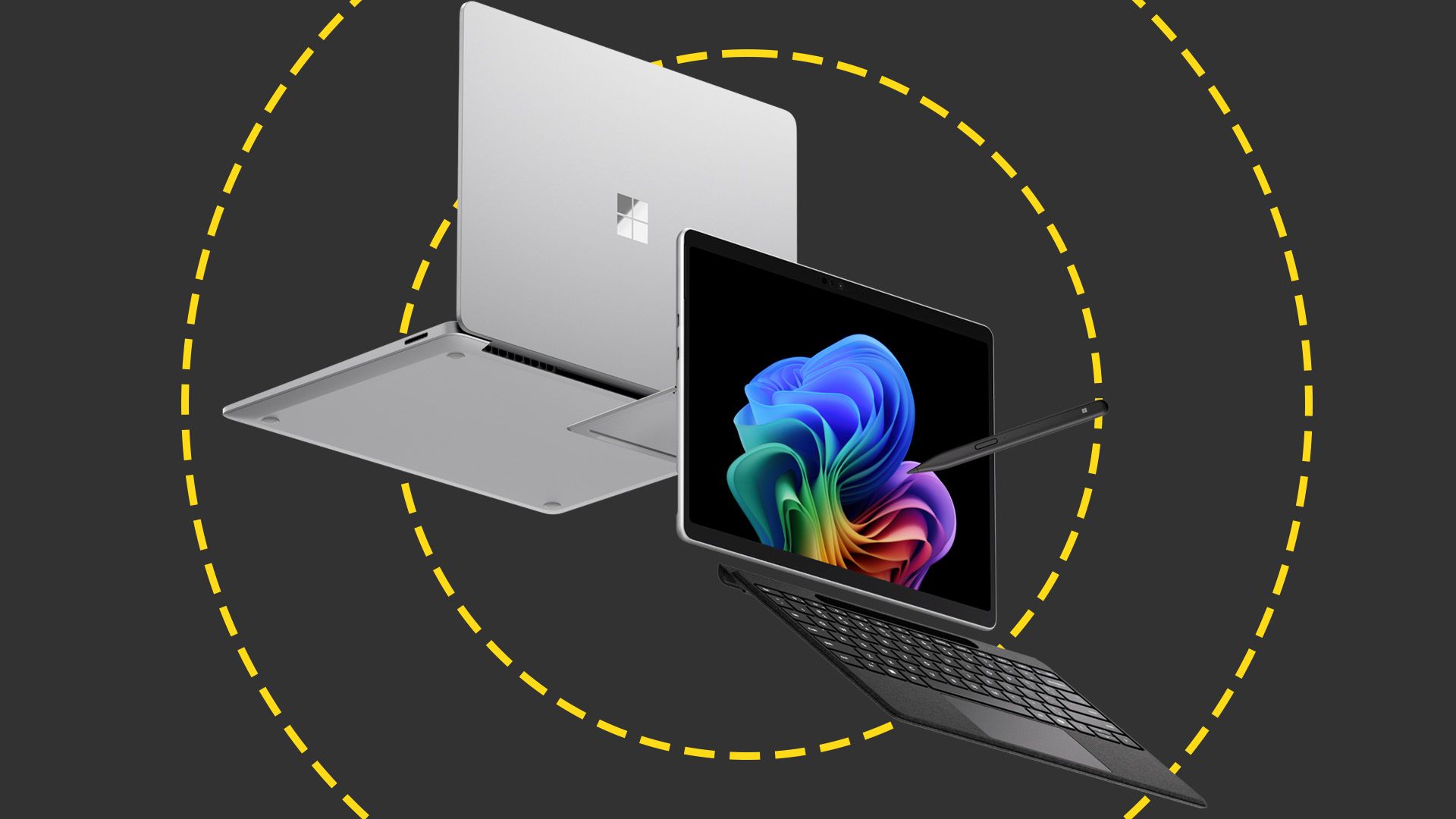
Microsoft reveals Surface Pro and Surface Laptop for Business with Intel Core Ultra 3 series processors
New 13in Pro and Laptop claim big performance improvements and vast AI capabilities www.itpro.com
- Related coverage: tomshardware.com
Microsoft confirms Windows 11 26H1 will be for Arm devices only at launch — Snapdragon X2-powered devices officially shipping with 26H1
It's 24H2 all over again, but with the caveat that 26H1 will only support specific hardware for its entire lifecycle. Devices running 26H1 will not be able to upgrade to 26H2.www.tomshardware.com
- Related coverage: techradar.com
Loading…
www.techradar.com - Official source: news.microsoft.com
Loading…
news.microsoft.com - Official source: cdn-dynmedia-1.microsoft.com
Loading…
cdn-dynmedia-1.microsoft.com - Related coverage: qualcomm.com
- Official source: support.microsoft.com
Loading…
support.microsoft.com - Related coverage: insight.com
Loading…
www.insight.com - Related coverage: pcgamer.com
A new 8 GB Microsoft Surface is coming later this year, but it won't meet Copilot+ minimum specs
The memory crisis comes for us all.www.pcgamer.com