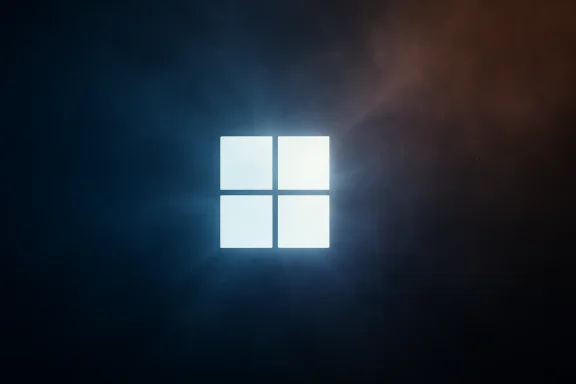
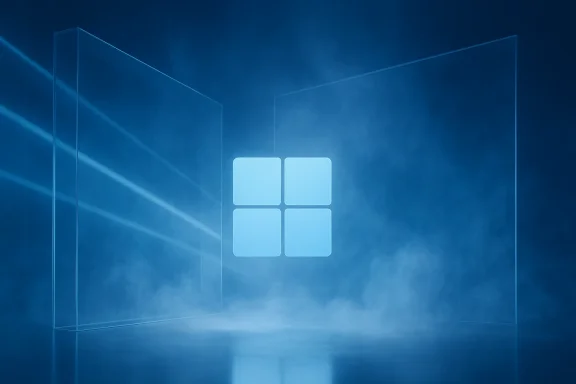
Someone on Reddit has done what Microsoft itself never attempted: they took the Windows 10 Hero wallpaper and recast it with a Windows 11 logo, producing a fan-made background that feels both nostalgic and strangely plausible. The result taps into one of the most enduring pieces of Windows visual identity, then updates it with the softer, more refined language of Windows 11. It is a small creative exercise, but it lands because desktop wallpapers still carry a surprising amount of emotional weight for Windows users.
The appeal of this remake starts with the original wallpaper’s history. Windows 10’s default background was never just a generic blue abstract image; Microsoft treated it as a signature visual and built it from real-world practical effects rather than pure CGI. That choice gave the image an almost ceremonial quality, making it feel less like a stock asset and more like a stage set for the launch of a new operating system.
By contrast, Windows 11 arrived with a wallpaper that was intentionally calmer and more sculptural. Microsoft described Bloom as a new symbol for a new operating system, one that blended natural inspiration with digital aesthetics and was designed to complement the OS’s translucent materials and centered UI. The company leaned into serenity, while Windows 10 leaned into spectacle. Those are different philosophies, and the fan remake cleverly merges them.
The recreated wallpaper matters because it sits at the intersection of nostalgia, design literacy, and platform identity. A wallpaper is often the first thing a user sees after installing an OS, and Microsoft has long understood that the first impression is part of the product story. Windows fans notice when those stories shift, especially when a visual style becomes associated with a whole era of computing.
There is also a broader subtext here about how Windows culture is preserved and reinterpreted by the community. In recent years, users have remixed classic wallpapers, extended them with AI tools, and even recreated old setup screens in higher resolution. This latest remake belongs to that same tradition, but it stands out because it does not rely on generative shortcuts. According to the creator’s own note, it was made from scratch in GIMP and Photoshop, which gives the result an artisanal quality that many enthusiasts will appreciate.
That tactile origin matters because it gave Windows 10 a sense of weight and identity at launch. The wallpaper was not merely decorative; it was part of a broader branding push that framed Windows 10 as a “hero” product. In hindsight, it also became one of the most recognizable visual artifacts of the Windows 10 era, right up there with its Start menu and notification center.
For the Windows community, the wallpaper also became a kind of shorthand. It represented a particular moment when Microsoft was trying to balance familiar Windows cues with a more modern presentation. That balance still appeals to users who remember the operating system’s launch as a genuinely fresh reset.
What makes the remake effective is that it does not simply paste a new logo into an old image. The creator appears to have matched color temperature, translucent shapes, and light placement carefully enough that the image feels coherent. That is the difference between a quick edit and a genuinely thoughtful reinterpretation.
The fan recreation seems to understand that. Instead of trying to force Windows 11 into a louder visual register, it preserves the luminous, layered feel of the Windows 10 set while giving the logo a more current presence. The result is familiar, but not stale.
There is something refreshing about that. Fans often want the look of craftsmanship, even if the final product is digitally assembled. A wallpaper that is obviously the result of composition, layering, and manual tuning can feel more authentic than one produced by a prompt and a model.
This is where the remake earns extra goodwill. It is not trying to outdo Microsoft’s original production pipeline; it is trying to channel the same level of care within ordinary creative tools. That makes the project feel more like fan craftsmanship than novelty content.
That helps explain why wallpaper remixes keep circulating. People are not merely chasing aesthetics. They are engaging with memory, identity, and the visual language of computing itself. For longtime users, a wallpaper can summon the feel of an entire product generation faster than a feature checklist ever could.
Those three images help map Microsoft’s changing priorities over time. The old Windows story was about friendliness and approachability, then confidence and scale, and now refinement and ambient polish. The fan remake sits neatly in that lineage because it echoes a familiar motif while updating the symbolic center.
That approach explains why the fan remake works so well: it respects the relationship between wallpaper and UI. A desktop background is not isolated art. It has to coexist with icons, windows, and interface elements, which means composition and negative space are just as important as aesthetic appeal.
The fan recreation appears to inherit that discipline. It is visually busy enough to feel rich, but not so busy that it becomes unusable. That makes it practical in the way a good wallpaper should be.
For enterprise audiences, the significance is subtler. Businesses rarely care about fan wallpapers as such, but they do care about what these visual motifs communicate about brand maturity, consistency, and platform coherence. A strong wallpaper ecosystem can reinforce the impression that a platform has a complete and thoughtful design language, even if the specific image in question is unofficial.
It also helps that Microsoft itself has encouraged a design-forward reading of its products. When the company frames its wallpapers as symbols, users naturally start treating them as raw material. That is why remix culture around Windows feels especially durable.
The Windows 10-to-Windows 11 remix is especially effective because the source material already has architectural drama. Some wallpapers are easy to modify but hard to improve; this one is easy to recognize and hard to ruin, which makes it ideal for experimentation. The creator’s restraint is the key advantage.
That balance is also why the image feels shareable. People like wallpapers that are immediately legible and modestly surprising. If you can tell what it is in one glance, but still notice new details on a second look, it tends to spread.
What happens next will depend on whether Microsoft continues to treat wallpapers as a meaningful part of the brand experience. If the company keeps using background art as a symbolic layer for major releases, then the fan ecosystem will keep expanding around it. If not, the community will probably keep doing what it does best: filling the gap with reinterpretations, remasters, and nostalgic mashups.
Source: Neowin Someone recreated Windows 10's iconic wallpaper with a Windows 11 logo
 Overview
The appeal of this remake starts with the original wallpaper’s history. Windows 10’s default background was never just a generic blue abstract image; Microsoft treated it as a signature visual and built it from real-world practical effects rather than pure CGI. That choice gave the image an almost ceremonial quality, making it feel less like a stock asset and more like a stage set for the launch of a new operating system.By contrast, Windows 11 arrived with a wallpaper that was intentionally calmer and more sculptural. Microsoft described Bloom as a new symbol for a new operating system, one that blended natural inspiration with digital aesthetics and was designed to complement the OS’s translucent materials and centered UI. The company leaned into serenity, while Windows 10 leaned into spectacle. Those are different philosophies, and the fan remake cleverly merges them.
The recreated wallpaper matters because it sits at the intersection of nostalgia, design literacy, and platform identity. A wallpaper is often the first thing a user sees after installing an OS, and Microsoft has long understood that the first impression is part of the product story. Windows fans notice when those stories shift, especially when a visual style becomes associated with a whole era of computing.
There is also a broader subtext here about how Windows culture is preserved and reinterpreted by the community. In recent years, users have remixed classic wallpapers, extended them with AI tools, and even recreated old setup screens in higher resolution. This latest remake belongs to that same tradition, but it stands out because it does not rely on generative shortcuts. According to the creator’s own note, it was made from scratch in GIMP and Photoshop, which gives the result an artisanal quality that many enthusiasts will appreciate.
Why the Windows 10 Wallpaper Still Resonates
The original Windows 10 wallpaper remains memorable because it was unusually theatrical for an operating system background. Microsoft’s own behind-the-scenes material showed the image being built with glass, lasers, smoke, projectors, and controlled lighting, which made the final result feel tactile and surprisingly human. That was a departure from the more anonymous, digitally polished approach many users expect from software art.That tactile origin matters because it gave Windows 10 a sense of weight and identity at launch. The wallpaper was not merely decorative; it was part of a broader branding push that framed Windows 10 as a “hero” product. In hindsight, it also became one of the most recognizable visual artifacts of the Windows 10 era, right up there with its Start menu and notification center.
The Value of Practical Effects
Practical effects often leave behind texture that pure digital composition can struggle to imitate. The original wallpaper’s subtle depth, reflections, and light behavior create the impression of a physical set captured at just the right moment. That realism is one reason the image aged well; it avoids the slick sameness that can make some digital branding feel disposable.For the Windows community, the wallpaper also became a kind of shorthand. It represented a particular moment when Microsoft was trying to balance familiar Windows cues with a more modern presentation. That balance still appeals to users who remember the operating system’s launch as a genuinely fresh reset.
- It had a cinematic rather than purely graphic feel.
- It used real lighting to create depth and atmosphere.
- It became a recognizable symbol of the Windows 10 launch.
- It still feels visually current a decade later.
- It works well across both dark and light contexts.
What the Windows 11 Remake Changes
The fan-made version retains the structure of the Windows 10 Hero wallpaper but swaps in the Windows 11 logo, which instantly changes the tone. The new logo is flatter and more restrained than the old four-pane Windows emblem, so the whole composition reads as less dramatic and more premium. That makes sense, because Windows 11 itself was designed to feel cleaner, quieter, and more compositionally balanced.What makes the remake effective is that it does not simply paste a new logo into an old image. The creator appears to have matched color temperature, translucent shapes, and light placement carefully enough that the image feels coherent. That is the difference between a quick edit and a genuinely thoughtful reinterpretation.
Matching the Windows 11 Design Language
Windows 11’s visual style leans heavily on smooth curves, translucent materials, and a more restrained color palette. Microsoft said the system’s wallpaper and interface materials were designed to complement one another, with the desktop background helping the on-screen materials reflect light and maintain focus. That means any faithful Windows 11 remix has to respect the OS’s softer temperament. (blogs.windows.com)The fan recreation seems to understand that. Instead of trying to force Windows 11 into a louder visual register, it preserves the luminous, layered feel of the Windows 10 set while giving the logo a more current presence. The result is familiar, but not stale.
- The logo swap changes the emotional tone immediately.
- The lighting remains the real star of the composition.
- The transparency effects suit Windows 11’s design language.
- The image still feels like a premium desktop background.
- It avoids the overprocessed look many fan edits fall into.
Why This Feels Different From AI Wallpaper Trends
A lot of recent wallpaper experimentation has leaned on generative AI, including popular remixes of classic Windows backgrounds. Those can be fun, but they often come with a telltale smoothness that makes them feel less intentional and more synthetic. In this case, the creator explicitly says the wallpaper was made without AI, using GIMP and Photoshop from scratch, which gives the work a different kind of credibility.There is something refreshing about that. Fans often want the look of craftsmanship, even if the final product is digitally assembled. A wallpaper that is obviously the result of composition, layering, and manual tuning can feel more authentic than one produced by a prompt and a model.
Craft Over Automation
The non-AI approach also aligns with the spirit of the original Windows 10 wallpaper. That image was not born from a text prompt; it came from a physical build, a photographer’s eye, and a design team’s willingness to iterate. Recreating it manually is a tribute to that process, not just to the final picture.This is where the remake earns extra goodwill. It is not trying to outdo Microsoft’s original production pipeline; it is trying to channel the same level of care within ordinary creative tools. That makes the project feel more like fan craftsmanship than novelty content.
- Start with the iconic composition.
- Rebuild the lighting and translucency.
- Introduce the Windows 11 logo carefully.
- Balance the image so it still reads as a desktop wallpaper.
- Export it at 4K resolution for practical use.
The Long Shadow of Windows Wallpaper Culture
Windows users have always had a strong relationship with wallpapers because they are one of the few parts of the OS that feel personal on day one. Microsoft’s backgrounds are not just branding assets; they become cultural markers that get remembered alongside major releases. Bliss, Hero, and Bloom each carry a different emotional register and a different era of Windows design.That helps explain why wallpaper remixes keep circulating. People are not merely chasing aesthetics. They are engaging with memory, identity, and the visual language of computing itself. For longtime users, a wallpaper can summon the feel of an entire product generation faster than a feature checklist ever could.
From Bliss to Hero to Bloom
Windows XP’s Bliss became legendary because it was simple, instantly calming, and impossible to forget. Windows 10’s Hero wallpaper added drama and depth, suggesting a more cinematic platform image. Windows 11’s Bloom, which Microsoft described as a fresh symbol for a new operating system, took a quieter path and emphasized harmony, translucency, and modern softness. (blogs.windows.com)Those three images help map Microsoft’s changing priorities over time. The old Windows story was about friendliness and approachability, then confidence and scale, and now refinement and ambient polish. The fan remake sits neatly in that lineage because it echoes a familiar motif while updating the symbolic center.
- Bliss represents openness and nostalgia.
- Hero represents launch energy and spectacle.
- Bloom represents calm, cohesion, and modernity.
- The remake bridges Hero and Bloom visually.
- It also bridges old Windows fandom and current desktop culture.
Microsoft’s Design Strategy Behind Bloom
Microsoft did not choose the Windows 11 wallpaper casually. The company’s design team said Bloom was meant to signal a fresh start, with a palette and form language that would work alongside Windows 11’s centered taskbar and translucent materials. The wallpaper was designed to be both symbolic and functional, reinforcing the new interface rather than competing with it. (blogs.windows.com)That approach explains why the fan remake works so well: it respects the relationship between wallpaper and UI. A desktop background is not isolated art. It has to coexist with icons, windows, and interface elements, which means composition and negative space are just as important as aesthetic appeal.
A Wallpaper That Supports the Interface
Microsoft specifically noted that Bloom was built with translucency and desktop clutter in mind. The wallpaper needed enough calm and breathing room for icons and windows, while still carrying enough vibrancy to make the desktop feel alive. That principle still applies to any remix that wants to feel native to Windows 11. (blogs.windows.com)The fan recreation appears to inherit that discipline. It is visually busy enough to feel rich, but not so busy that it becomes unusable. That makes it practical in the way a good wallpaper should be.
- It leaves room for desktop icons.
- It preserves the feel of light and motion.
- It does not overpower the taskbar area.
- It complements glass-like UI materials.
- It feels credible as a stock background rather than a poster.
Enterprise, Consumer, and Fan Communities
From a consumer standpoint, the remake is pure delight. It scratches the itch of seeing two Windows eras collide in a way that feels clever rather than forced. It also gives users something practical: a high-resolution background they can actually download and use.For enterprise audiences, the significance is subtler. Businesses rarely care about fan wallpapers as such, but they do care about what these visual motifs communicate about brand maturity, consistency, and platform coherence. A strong wallpaper ecosystem can reinforce the impression that a platform has a complete and thoughtful design language, even if the specific image in question is unofficial.
Why Enthusiasts Keep Reworking Iconic Backgrounds
Fan culture around Windows wallpapers persists because desktop customization is one of the few remaining low-friction forms of personal expression in mainstream operating systems. It requires no deep technical knowledge, but it still rewards taste and patience. That makes it an ideal outlet for enthusiasts who enjoy reinterpreting Windows history.It also helps that Microsoft itself has encouraged a design-forward reading of its products. When the company frames its wallpapers as symbols, users naturally start treating them as raw material. That is why remix culture around Windows feels especially durable.
- Fans enjoy desktop personalization that feels visible every day.
- Wallpapers are easy to share, modify, and compare.
- The images connect users to Windows history.
- Microsoft’s own branding invites reinterpretation.
- The remake culture benefits from a large, nostalgic audience.
How It Compares With Other Windows Remixes
This wallpaper arrives in a broader wave of Windows nostalgia projects. Users have remixed Bliss with modern Windows art styles, recreated old setup images in 4K, and generated alternate versions of classic wallpapers using AI tools. The common thread is not just nostalgia, but a desire to keep iconic visual assets relevant in new display environments.The Windows 10-to-Windows 11 remix is especially effective because the source material already has architectural drama. Some wallpapers are easy to modify but hard to improve; this one is easy to recognize and hard to ruin, which makes it ideal for experimentation. The creator’s restraint is the key advantage.
The Best Remixes Understand the Original
A successful remix should not merely be novel. It should preserve the visual DNA that made the original memorable. In this case, that means the interplay of light, geometry, and depth that defined Windows 10’s Hero image. The Windows 11 logo provides the twist, but the mood stays intact.That balance is also why the image feels shareable. People like wallpapers that are immediately legible and modestly surprising. If you can tell what it is in one glance, but still notice new details on a second look, it tends to spread.
- The remake is instantly recognizable.
- It adds novelty without losing identity.
- It feels more grounded than many AI variants.
- It appeals to both nostalgia and design taste.
- It is easy to imagine on a real desktop.
Strengths and Opportunities
This wallpaper remake succeeds because it respects the original while giving it a new identity. It also shows how strong Windows visual branding can be when users are still motivated to reinterpret it a decade later. The opportunity here is less about the wallpaper itself and more about the continuing appetite for thoughtful, non-AI fan design.- Authentic atmosphere that mirrors the original Hero wallpaper.
- Clear Windows 11 identity through the updated logo.
- Manual craftsmanship that feels more deliberate than AI-generated art.
- High practical value as a usable 4K desktop background.
- Strong nostalgia appeal for longtime Windows users.
- Good desktop usability thanks to balanced composition.
- Community shareability across Reddit, forums, and wallpaper collections.
Risks and Concerns
The main risk with remixes like this is that they can become detached from the user experience they are meant to serve. A wallpaper can look excellent in a post but fail on a real desktop if the composition clashes with icons, widgets, or a user’s chosen accent color. There is also a broader concern that fan culture can start to overvalue novelty at the expense of usability.- Icon clutter can make any wallpaper less useful in daily use.
- Visual density may be distracting on high-brightness displays.
- Derivative fatigue can set in if too many remixes repeat the same idea.
- Platform mismatch is possible if the image feels more Windows 10 than Windows 11.
- Copyright and attribution issues can arise with heavily modified fan works.
- AI backlash may lead users to dismiss digital art that is actually handmade.
- Expectations drift when fans confuse concept art with official Microsoft design.
Looking Ahead
The deeper story here is not the remix itself, but the durability of Windows as a visual culture. Microsoft has spent decades using wallpapers to signal change, and users have spent just as long responding to those signals with their own edits, tributes, and redesigns. That relationship is not fading; if anything, it is becoming more visible as the community revisits older icons with newer tools.What happens next will depend on whether Microsoft continues to treat wallpapers as a meaningful part of the brand experience. If the company keeps using background art as a symbolic layer for major releases, then the fan ecosystem will keep expanding around it. If not, the community will probably keep doing what it does best: filling the gap with reinterpretations, remasters, and nostalgic mashups.
- More Windows 10 and Windows 11 mashups are likely to appear.
- Expect continued interest in manual recreations over AI-only edits.
- Classic wallpapers like Bliss will remain remix magnets.
- Microsoft may keep using wallpapers as brand storytelling tools.
- High-resolution fan assets will remain popular for actual desktop use.
Source: Neowin Someone recreated Windows 10's iconic wallpaper with a Windows 11 logo
Last edited: