
Aequs’ consumer electronics unit generated ₹734 million (₹73.4 crore) in the quarter ended June 30, 2026—19% of company revenue—but its ₹361 million EBITDA loss shows how far the aerospace supplier remains from turning its new PC and device manufacturing capacity into a durable profit engine.
As first reported by Inc42, the India-based contract manufacturer is putting a major share of its planned FY27 capital expenditure behind consumer electronics even while the business is running at only 22% capacity utilization. For Windows hardware buyers and IT teams, the story is less about a new Aequs-branded device than about a supplier attempting to become a larger behind-the-scenes part of the global portable-computer, smart-device and wearable supply chain.
Aequs manufactures precision components for Airbus, Boeing, Safran and Collins Aerospace. It is now applying its tooling, machining, molding and assembly footprint to consumer products, including portable computers, smart devices, wearables, toys and home goods.
Aequs reported consolidated revenue of ₹3.96 billion for Q1 FY27, up 55% year over year. Consumer revenue nearly tripled from ₹253 million a year earlier, while aerospace revenue climbed 40% to ₹3.22 billion.
That momentum has not yet delivered operating leverage. The consumer business lost ₹361 million at the EBITDA level, though that was a 24% sequential improvement from the preceding quarter. The company says its year-over-year comparison is distorted because consumer operating costs were capitalized before commercial operations began, then expensed once production started.
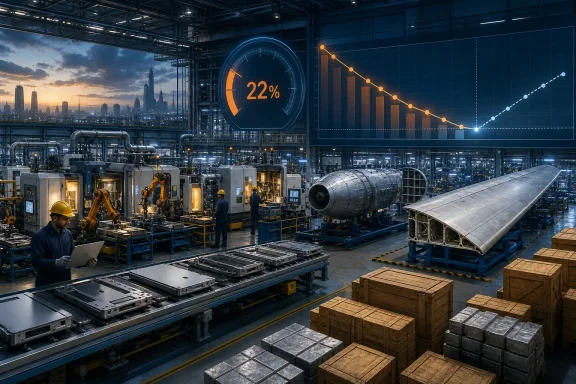
That accounting explanation is valid context, but it does not erase the operational challenge: consumer capacity utilization was 22%, versus 70% for aerospace. Aequs wants consumer utilization to reach 40% to 50% by the end of FY27, a move it says would support consumer EBITDA breakeven in the fourth quarter.
Aequs’ own investor materials frame the expansion as preparation for rising customer demand and a move from component supply toward integrated kits and product co-development. That may be a useful proposition for OEMs seeking India-based manufacturing alternatives, especially for mechanical assemblies and enclosures rather than finished Windows PCs.
But the distinction matters. Aequs has not identified consumer-electronics customers or announced a branded laptop, tablet, or Windows device program. The near-term relevance is supply-chain capacity, not a new entrant in the PC market.
The next results will show whether production volumes are rising quickly enough to absorb the company’s new facilities and depreciation burden. Until utilization moves substantially above 22%, Aequs’ consumer push remains a high-cost manufacturing wager rather than a proven second engine.
Aequs manufactures precision components for Airbus, Boeing, Safran and Collins Aerospace. It is now applying its tooling, machining, molding and assembly footprint to consumer products, including portable computers, smart devices, wearables, toys and home goods.
 Revenue Is Arriving Faster Than Utilization
Aequs reported consolidated revenue of ₹3.96 billion for Q1 FY27, up 55% year over year. Consumer revenue nearly tripled from ₹253 million a year earlier, while aerospace revenue climbed 40% to ₹3.22 billion.That momentum has not yet delivered operating leverage. The consumer business lost ₹361 million at the EBITDA level, though that was a 24% sequential improvement from the preceding quarter. The company says its year-over-year comparison is distorted because consumer operating costs were capitalized before commercial operations began, then expensed once production started.
That accounting explanation is valid context, but it does not erase the operational challenge: consumer capacity utilization was 22%, versus 70% for aerospace. Aequs wants consumer utilization to reach 40% to 50% by the end of FY27, a move it says would support consumer EBITDA breakeven in the fourth quarter.
A Capacity Bet Before the Current Plants Are Full
The company spent ₹830 million on capital expenditure during the June quarter and intends to allocate roughly ₹5 billion of its ₹6.6 billion FY27 capex plan to consumer manufacturing, according to Inc42. Aequs has also signed a non-binding memorandum with Karnataka’s government covering cumulative investment of about ₹28.56 billion over five years across aerospace operations in Belagavi and consumer-electronics enclosure production in Hubballi.Aequs’ own investor materials frame the expansion as preparation for rising customer demand and a move from component supply toward integrated kits and product co-development. That may be a useful proposition for OEMs seeking India-based manufacturing alternatives, especially for mechanical assemblies and enclosures rather than finished Windows PCs.
But the distinction matters. Aequs has not identified consumer-electronics customers or announced a branded laptop, tablet, or Windows device program. The near-term relevance is supply-chain capacity, not a new entrant in the PC market.
The Deadline Is Q4 FY27
Management’s target is aggressive: consumer EBITDA breakeven by the quarter ending March 2027, followed by group-level profit-after-tax breakeven in the first half of FY28. It also projects that consumer operations could account for 40% to 60% of total revenue within five years.The next results will show whether production volumes are rising quickly enough to absorb the company’s new facilities and depreciation burden. Until utilization moves substantially above 22%, Aequs’ consumer push remains a high-cost manufacturing wager rather than a proven second engine.