

Your home can be a worthy adversary in the battle of time suckage: gutters need clearing, railings need securing, and walls need painting. But the worst home maintenance of all is the invisible kind, the leaky pipe in the crawl space that silently betrays you while you’re focused on curb appeal. The good news is that AI tools can help homeowners stay ahead of the mess, using a little digital triage to decide where to spend elbow grease, money, and attention. The trick is knowing where these tools are genuinely helpful, and where they can confidently lead you astray.
Home maintenance has always been a game of prevention, but most people only feel the pressure when something breaks. A house does not present all its problems at once; it leaks, settles, corrodes, and ages in layers, which makes routine upkeep easy to postpone. That delay is what turns manageable tasks into expensive repairs, and it is exactly why a well-timed reminder or a clearer understanding of risk can matter so much.
The rise of consumer AI has made that sort of triage far more accessible. Instead of trying to decode dense paperwork, infer hidden risks, or guess what a blurry photo means, homeowners can now ask a chatbot to summarize, compare, or prioritize. The appeal is obvious: AI promises to reduce the friction between “I should probably check that” and actually knowing what to do next.
That said, home maintenance is not a domain where you can afford to be casual. The stakes range from spoiled food after a power outage to mold, pests, water intrusion, and electrical hazards. In other words, the house is a system, not a checklist, and the more interconnected it is, the more helpful it becomes to have a tool that can surface dependencies you might overlook.
This is why the most practical use of AI in the home is not magical automation. It is better situational awareness. Used carefully, AI can help you understand insurance coverage, identify likely weak points in a house, and interpret vague warning signs before they become a weekend-consuming emergency.
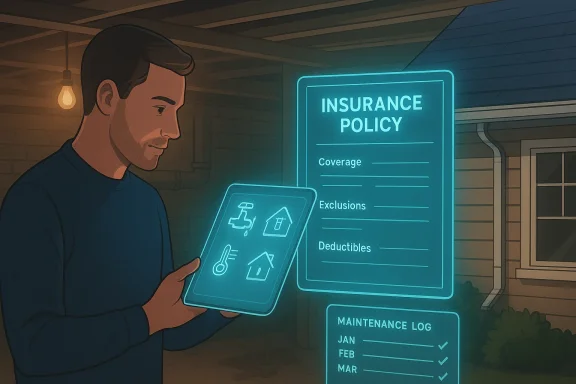
The biggest value here is not just summarization. It is pattern recognition. An AI model can quickly scan for exclusions, limits, deductibles, add-ons, and special coverage categories, then present them in a plain-language format that highlights the sections most worth reviewing with a human eye.
Important details to look for include:
It also sharpens your conversations with contractors and insurers. If AI helps you identify a likely claim category or a coverage gap, you can ask better questions before paying out of pocket. That makes the tool valuable not because it replaces expertise, but because it makes you a more informed consumer of it.
That is especially helpful for new homeowners, who often inherit hidden conditions they do not yet understand. A place can feel move-in ready and still contain years of deferred maintenance beneath the surface. AI can help generate a first-pass map of what to investigate, even if you still need a plumber, electrician, inspector, or exterminator to verify the details.
For example:
That distinction is especially useful for homeowners trying to work on a seasonal rhythm. Rather than reacting to every loose shingle, flickering light, or musty smell, you can cluster concerns into a plan. The result is less panic and more orderly maintenance, which is exactly what most houses need.
This is where AI becomes a time-saving filter. You are not asking it to adjudicate a claim, only to tell you where to look. Done right, that can surface coverage categories you would otherwise never notice until a loss occurred.
AI also helps during stressful moments, when speed matters. If a pipe bursts or the freezer fails, nobody wants to hunt through policy pages line by line. A chatbot can give you a working map quickly, and that alone can reduce confusion while you deal with the actual problem.
That kind of prompt is not a substitute for inspection, but it can surface the issues a homeowner should treat as likely rather than hypothetical. In many cases, the AI will not tell you anything magical; it will simply organize what an experienced contractor would have inferred from the same clues.
That said, it can also overgeneralize. A symptom that sounds serious in one house may be trivial in another, so the output should be treated as a starting point. The best result is when AI nudges you into calling a pro sooner, not later.
That matters because a mistaken diagnosis can waste time and money. Treating a vole problem like a gopher problem, or vice versa, can lead to the wrong control strategy and unnecessary frustration. AI is not perfect at this, but it can still narrow the field enough to improve your next move.
Helpful questions to ask include:
That is a recurring theme with AI-assisted home maintenance: the tool is best at helping you think, not doing the work for you. It can reduce uncertainty, but it cannot replace a mesh barrier, a plumber, or a licensed inspector.
This is important because the house is full of interconnected problems. Water can lead to mold, mold can lead to health issues, drainage can affect foundations, and electrical problems can become safety hazards. AI is useful when it helps you see those connections early.
A practical loop might look like this:
The best homeowners will use AI the way they use a flashlight: to illuminate dark corners, not to pretend the darkness is gone. That mindset keeps the technology useful without overpromising what it can safely do.
This is where the benefits become more strategic. Instead of treating the house as a series of isolated chores, you start to see it as a managed asset with predictable cycles. That shift alone can reduce stress and avoid preventable damage.
A simple log can track:
But the real future of AI at home will depend on restraint as much as capability. The best tools will be the ones that help you notice what matters, not the ones that pretend every problem can be solved with a prompt. If that balance holds, AI may become the quiet household assistant many people did not know they needed.
Source: CNET I Used AI to Help Me Stay Ahead of Home Maintenance. Here's How
 Background
Home maintenance has always been a game of prevention, but most people only feel the pressure when something breaks. A house does not present all its problems at once; it leaks, settles, corrodes, and ages in layers, which makes routine upkeep easy to postpone. That delay is what turns manageable tasks into expensive repairs, and it is exactly why a well-timed reminder or a clearer understanding of risk can matter so much.The rise of consumer AI has made that sort of triage far more accessible. Instead of trying to decode dense paperwork, infer hidden risks, or guess what a blurry photo means, homeowners can now ask a chatbot to summarize, compare, or prioritize. The appeal is obvious: AI promises to reduce the friction between “I should probably check that” and actually knowing what to do next.
That said, home maintenance is not a domain where you can afford to be casual. The stakes range from spoiled food after a power outage to mold, pests, water intrusion, and electrical hazards. In other words, the house is a system, not a checklist, and the more interconnected it is, the more helpful it becomes to have a tool that can surface dependencies you might overlook.
This is why the most practical use of AI in the home is not magical automation. It is better situational awareness. Used carefully, AI can help you understand insurance coverage, identify likely weak points in a house, and interpret vague warning signs before they become a weekend-consuming emergency.
Insurance First, Because Paperwork Hides the Real Risk
One of the smartest ways to use AI around the house is to start with the document nobody wants to read: the homeowners insurance policy. Policies are long, dense, and full of language that can obscure what is actually covered until the day you need the answer. A chatbot can help turn that legal thicket into something readable, but only if you treat it as a guide, not the final authority.The biggest value here is not just summarization. It is pattern recognition. An AI model can quickly scan for exclusions, limits, deductibles, add-ons, and special coverage categories, then present them in a plain-language format that highlights the sections most worth reviewing with a human eye.
What AI Can Surface Fast
AI is particularly useful when you need to understand where a policy may help with maintenance-related losses. That can include coverage tied to a power outage, spoiled food, HVAC-related damage, or other events that are easy to miss when you skim the document. In some cases, the coverage language can be surprisingly broad, and that is precisely the kind of surprise a summary tool can expose.Important details to look for include:
- Dwelling coverage limits
- Personal property provisions
- Loss of use terms
- Water damage exclusions
- Service line or equipment-related riders
- Food spoilage coverage
- Debris removal language
Why This Matters for Budgeting
Insurance is not just about catastrophe; it is also part of maintenance planning. If you know what risks your policy already addresses, you can decide which repairs deserve immediate attention and which ones can wait. That changes the economics of upkeep, especially for owners trying to balance a rainy-day fund against a long to-do list.It also sharpens your conversations with contractors and insurers. If AI helps you identify a likely claim category or a coverage gap, you can ask better questions before paying out of pocket. That makes the tool valuable not because it replaces expertise, but because it makes you a more informed consumer of it.
The Hidden Problems Most Homes Won’t Tell You About
The second useful application of AI is asking it to think like a risk assessor. A house looks calm from the street, but every property has its own mix of plumbing age, drainage issues, roof exposure, electrical history, and climate-related vulnerabilities. AI can help you create a customized list of likely problems before they become visible.That is especially helpful for new homeowners, who often inherit hidden conditions they do not yet understand. A place can feel move-in ready and still contain years of deferred maintenance beneath the surface. AI can help generate a first-pass map of what to investigate, even if you still need a plumber, electrician, inspector, or exterminator to verify the details.
Turning House History into Maintenance Clues
If you know the age of the roof, HVAC, plumbing, or electrical panel, AI can combine that with climate and local risk factors to produce a checklist of likely trouble spots. It may not know your exact house, but it can flag the class of issues that typically arise in similar homes. That is useful because maintenance is often about probabilities, not certainties.For example:
- Older plumbing may suggest corrosion or pressure problems
- Poor grading around the foundation may hint at drainage risk
- An aging electrical panel may deserve inspection sooner rather than later
- Attic insulation issues may signal heat loss or moisture problems
- Crawl-space dampness may point to mold or pest risk
Why Prioritization Beats Panic
A lot of home maintenance anxiety comes from not knowing what matters most. Everything feels urgent when you are staring at a long list of tasks, and that is how minor issues get ignored until they become major ones. AI can help separate the merely annoying from the potentially destructive.That distinction is especially useful for homeowners trying to work on a seasonal rhythm. Rather than reacting to every loose shingle, flickering light, or musty smell, you can cluster concerns into a plan. The result is less panic and more orderly maintenance, which is exactly what most houses need.
Insurance Documents Are Hard; AI Makes Them Legible
The practical upside of AI is that it can take a 29-page policy and produce a usable outline in seconds. That does not mean the summary is perfect, but it does mean you are more likely to actually read the policy you paid for. For many people, that is half the battle.This is where AI becomes a time-saving filter. You are not asking it to adjudicate a claim, only to tell you where to look. Done right, that can surface coverage categories you would otherwise never notice until a loss occurred.
The Best Way to Use the Tool
A good workflow is simple:- Upload or paste the policy text into the chatbot.
- Ask for a plain-language summary of coverage and exclusions.
- Request a list of maintenance-related provisions.
- Ask for ambiguous items that need human verification.
- Compare the AI output against the actual policy language.
Where Homeowners Benefit Most
The most obvious winners are owners with older homes, complicated policies, or multiple coverage riders. But even newer homeowners benefit because policies often contain language that is easy to overlook during the excitement of purchasing a place. The house may be new to you, but the fine print is usually written for the insurer.AI also helps during stressful moments, when speed matters. If a pipe bursts or the freezer fails, nobody wants to hunt through policy pages line by line. A chatbot can give you a working map quickly, and that alone can reduce confusion while you deal with the actual problem.
The Known Unknowns Become Less Mysterious
Another strong use case for AI is simply asking what might go wrong with your specific type of home. This is less about legal documents and more about diagnostic thinking. You describe the house, the age, the location, and the visible quirks, then ask the model to identify likely maintenance concerns.That kind of prompt is not a substitute for inspection, but it can surface the issues a homeowner should treat as likely rather than hypothetical. In many cases, the AI will not tell you anything magical; it will simply organize what an experienced contractor would have inferred from the same clues.
Risk Factors AI Can Help You Frame
A few of the most common house-related signals AI can help you interpret include:- Dampness around the foundation
- Repeated drainage problems
- Aging appliances or HVAC systems
- Outdated electrical infrastructure
- Signs of pest activity
- Evidence of previous water intrusion
- Poor ventilation in basements or crawl spaces
The Value of a Second Opinion
There is also psychological value in asking a model to reframe what you are already seeing. Homeowners often normalize warning signs because they live with them every day. A chatbot can ask questions back, list plausible causes, and encourage a more systematic response.That said, it can also overgeneralize. A symptom that sounds serious in one house may be trivial in another, so the output should be treated as a starting point. The best result is when AI nudges you into calling a pro sooner, not later.
Pests, Voles, and the Art of Not Guessing Wrong
One of the most immediately practical home-maintenance tasks is dealing with wildlife and lawn damage. Something makes a mound in the yard, chews at the roots, or leaves a burrow entrance, and suddenly you are in detective mode. AI can help identify what you are looking at, especially if you have a photo or short clip that captures the damage.That matters because a mistaken diagnosis can waste time and money. Treating a vole problem like a gopher problem, or vice versa, can lead to the wrong control strategy and unnecessary frustration. AI is not perfect at this, but it can still narrow the field enough to improve your next move.
Identification Before Intervention
If you can give the model a clear image or video frame, it may be able to distinguish between pests that look similar to the untrained eye. That is useful because different animals often require different deterrents or traps. The sooner you identify the culprit, the less likely you are to escalate a manageable nuisance into a larger landscape problem.Helpful questions to ask include:
- Is the entry hole open or plugged?
- Is the damage isolated or widespread?
- Are there surface tunnels or deeper burrows?
- What plants are being affected?
- Is the activity daily or intermittent?
Why Surface Advice Isn’t Enough
A chatbot may suggest repellents, sound deterrents, or other humane options, and those can be worth trying. But in real-world garden management, the most effective solutions are often physical and unglamorous. In many cases, underground barriers, proper grading, and exclusion techniques do more than gimmicky deterrents.That is a recurring theme with AI-assisted home maintenance: the tool is best at helping you think, not doing the work for you. It can reduce uncertainty, but it cannot replace a mesh barrier, a plumber, or a licensed inspector.
Where AI Fits in the Homeowner’s Workflow
The smartest way to use AI at home is as a planning layer. It helps you organize documents, identify possible issues, and decide what deserves attention first. That makes it a maintenance assistant, not a maintenance oracle.This is important because the house is full of interconnected problems. Water can lead to mold, mold can lead to health issues, drainage can affect foundations, and electrical problems can become safety hazards. AI is useful when it helps you see those connections early.
A Better Maintenance Rhythm
AI works best when folded into a routine rather than used only during emergencies. A monthly or seasonal check-in can prompt you to review insurance, scan for weak spots, and note new issues before they pile up. That rhythm turns maintenance into a habit instead of a crisis response.A practical loop might look like this:
- Review one system at a time: roof, plumbing, HVAC, electrical, exterior.
- Ask AI to summarize known risks for that system.
- Compare the output with your house history and any receipts or inspection notes.
- Schedule the next action, whether that is repair, inspection, or monitoring.
- Store the result in a simple maintenance log.
Consumer Convenience vs. Real Reliability
There is a broader lesson here too. Consumer AI is great at reducing friction, but not every answer carries the same weight. A maintenance prompt about garden pests is low risk compared with a question about an electrical panel or a coverage dispute, and your level of trust should reflect that.The best homeowners will use AI the way they use a flashlight: to illuminate dark corners, not to pretend the darkness is gone. That mindset keeps the technology useful without overpromising what it can safely do.
The Role of AI in Routine Maintenance Planning
The next frontier is not just identifying what might be wrong, but building maintenance calendars that reflect a specific home. AI can help translate a chaotic list of tasks into a schedule organized by season, urgency, and cost. That is especially valuable for people juggling work, family, and the rest of life.This is where the benefits become more strategic. Instead of treating the house as a series of isolated chores, you start to see it as a managed asset with predictable cycles. That shift alone can reduce stress and avoid preventable damage.
Seasonal Maintenance Becomes More Intuitive
AI can help break maintenance into predictable windows:- Spring for drainage and exterior inspection
- Summer for cooling systems and roof checks
- Fall for weatherproofing and gutter cleanup
- Winter for pipe protection and heat-related monitoring
The Maintenance Log Advantage
One of the most overlooked benefits of AI is that it can help you create and maintain a history. If you document repairs, dates, and observations, the model can use that history to suggest patterns or likely next steps. That turns isolated notes into a working knowledge base for your house.A simple log can track:
- Service date
- Problem observed
- Repair performed
- Contractor name
- Cost
- Follow-up needed
Strengths and Opportunities
AI’s real advantage in home maintenance is that it lowers the barrier to noticing, organizing, and acting on problems before they become expensive. It is especially useful when homeowners face dense documents, ambiguous symptoms, or competing priorities.- Faster comprehension of insurance policies and maintenance documents
- Better prioritization of hidden risks versus cosmetic chores
- Improved planning for seasonal upkeep
- Lower friction when documenting house history
- More informed conversations with contractors and insurers
- Earlier detection of problems that would otherwise stay hidden
- A useful first pass before calling in a professional
Risks and Concerns
The biggest danger with AI in home maintenance is misplaced confidence. A chatbot can be helpful, but if you treat its answer as final, you can miss exclusions, misread symptoms, or delay necessary repairs.- Hallucinated details in policy summaries or risk assessments
- Overgeneralized advice that ignores local conditions
- False reassurance when a problem needs immediate action
- Misidentification of pests, damage, or structural issues
- Inadequate nuance around insurance sublimits and exclusions
- Overdependence on AI instead of licensed professionals
- Potential privacy concerns when sharing home documents or photos
Looking Ahead
As AI tools improve, the homeowner experience is likely to become more proactive and less reactive. The most useful systems will not just answer questions; they will maintain a running picture of the house, flagging patterns across documents, images, and reminders. That could make maintenance feel less like guesswork and more like routine stewardship.But the real future of AI at home will depend on restraint as much as capability. The best tools will be the ones that help you notice what matters, not the ones that pretend every problem can be solved with a prompt. If that balance holds, AI may become the quiet household assistant many people did not know they needed.
- Smarter policy review before claims or renewals
- Better seasonal reminders tied to your actual home
- Improved identification of leaks, pests, and wear
- Easier tracking of repair history and costs
- More confident triage when multiple issues appear at once
Source: CNET I Used AI to Help Me Stay Ahead of Home Maintenance. Here's How
Last edited:
