

CD Projekt Red’s newly announced The Witcher 3: Wild Hunt expansion, Songs of the Past, is scheduled for 2027 on PC, PlayStation 5, and Xbox Series X|S, and its updated PC requirements make Windows 11 the supported baseline rather than Windows 10. That does not mean every Windows 10 install will instantly refuse to launch Geralt’s next adventure. It does mean one of PC gaming’s most beloved long-tail titles is now being pulled into the same operating-system migration fight that has already consumed offices, schools, and home desktops. The real story is not a single DLC requirement; it is the moment when Windows 10 stops being merely “old” and starts becoming commercially inconvenient.
There is a certain absurd poetry in The Witcher 3 becoming a Windows 11 story in 2026. This is a game born in the Windows 7 and Windows 8.1 era, sharpened during Windows 10’s reign, upgraded for ray tracing and current consoles, and now being used as evidence that the PC ecosystem has moved on whether users like it or not.
Songs of the Past is not a routine cosmetics pack. CD Projekt Red is positioning it as a proper story expansion, arriving more than a decade after Hearts of Stone and Blood and Wine helped define the modern prestige RPG add-on. That history matters because The Witcher 3 has never behaved like disposable software. It has been patched, remastered, modded, rebought, and replayed across hardware generations.
The updated requirements therefore land differently than they would for a brand-new release. Nobody is shocked when a 2027 game asks for a modern OS, DirectX 12, an SSD, and a current console baseline. But when an 11-year-old game’s next chapter tells Windows 10 users they are no longer inside the tested circle, it feels less like progress and more like eviction.
CD Projekt Red has tried to soften that line. The studio’s clarification is important: the game may still run on Windows 10, but the company will not test the new expansion or future updates against that platform and will not guarantee stable behavior. In practical PC terms, that is the difference between a locked door and a bridge with no inspection certificate.
That era is over, at least from the perspective of software vendors making forward-looking support decisions. Microsoft ended mainstream Windows 10 support on October 14, 2025, and while extended security options exist in limited forms, the mass-market signal is unmistakable. Windows 10 is no longer the default supported consumer Windows platform. Windows 11 is.
Game developers do not need to hate Windows 10 to abandon it. They only need to calculate that the cost of testing, certifying, debugging, and supporting an old OS is no longer worth the market goodwill gained by keeping it on the requirements sheet. That calculation becomes easier once Microsoft itself has shifted the burden to users and organizations that choose to remain behind.
This is why CD Projekt Red’s move should be read less as a shocking anti-Windows 10 decree and more as an early visible example of a post-support market norm. When the operating-system vendor stops treating a platform as current, every other vendor gets permission to reduce its own promises. The first few high-profile cases sting; after that, the pattern becomes background noise.
That is what unsupported really means. It is not a prediction of immediate failure. It is a withdrawal of obligation.
For enthusiasts, this ambiguity can sound acceptable. PC gaming has always involved unsupported combinations: old CPUs, hacked drivers, Proton layers, community patches, mod loaders, registry tweaks, and “it works on my machine” forum posts. Many Windows 10 users will reasonably decide that they can tolerate some risk, especially if their existing hardware is stable and Windows 11 offers them little obvious benefit.
But for developers and support teams, ambiguity is expensive. Every extra OS matrix multiplies QA time. Every rare crash report from an untested platform becomes harder to triage. Every “but the base game works” complaint becomes a customer-service sinkhole. At some point, the studio’s support page becomes a boundary marker: if you stand outside it, you are on your own.
That boundary is what changed here.
That is why a Windows 11-only requirement can feel punitive even when the game itself is not necessarily demanding some magical Windows 11 feature. For a subset of users, upgrading the OS is not a one-hour task. It means replacing a motherboard, CPU, or entire PC. For others, it means moving from a known-good performance configuration into an environment they distrust.
The updated Witcher 3 requirements reportedly go beyond the OS line as well, moving the baseline toward DirectX 12 and SSD storage. That matters because the Windows 11 controversy can obscure the more ordinary technical reality: a 2027 expansion built for PS5, Xbox Series X|S, and modern PCs is not being tuned for the assumptions of 2015.
Hard drives are the clearest example. The industry has spent years treating SSDs as the practical minimum for modern open-world streaming, not because developers are lazy, but because the performance envelope changed after current-generation consoles standardized fast storage. A studio building new content today is not optimizing for the same asset pipeline that shipped alongside the PlayStation 4 and Xbox One.
The Windows 11 line is the headline. The underlying message is broader: CD Projekt Red is rebuilding the floor beneath The Witcher 3, and that floor now looks like the current console generation.
PC is different because it sells itself as continuous. A Windows desktop is not supposed to have console generations, at least not culturally. Users swap GPUs, add RAM, clone drives, install drivers, and expect the platform to stretch. That expectation is one of PC gaming’s great strengths, but it also creates resentment when software vendors impose generational lines anyway.
In this case, the PC line and console line rhyme. PS4, Xbox One, Switch, HDD-first assumptions, Windows 10, and older driver stacks all belong to the same design past. They are not identical, but they represent the same support burden: platforms that can still run plenty of games, but no longer define the target for new high-profile content.
The emotional difference is ownership. Console players know when a generation ends because the box under the TV stops receiving major releases. PC users often discover it one requirement table at a time.
Security updates are not the same as day-one optimizations, performance fixes, game-specific profiles, or rapid bug response. A new RPG expansion launching in 2027 wants to arrive in a world where GPU vendors are actively tuning for its behavior on supported platforms. If Windows 10 is already moving into a reduced driver-support lane, developers have less incentive to promise parity.
AMD and Intel have their own support policies and hardware priorities, but the broader direction is familiar. Graphics vendors follow the money and the platform momentum. They optimize for current operating systems, current APIs, and current hardware features. Once an OS is outside the mainstream lane, gaming support becomes increasingly conditional.
This does not mean Windows 10 gaming suddenly collapses. Steam libraries will not vanish. Existing games will keep running. But the newest releases and major updates will increasingly treat Windows 10 as a compatibility accident rather than a first-class target. That is a subtle shift until it is your favorite game on the wrong side of the line.
But rollback is not the same as support. A frozen branch preserves a moment; it does not keep a platform current. Players who stay on the older version may avoid breakage, but they may also lose access to future fixes, new content, compatibility updates, or ecosystem improvements tied to the modern branch.
For GOG users, the idea of version control and offline installers fits naturally with the store’s preservation-friendly identity. For Steam users, branch management is usually less visible but still possible when developers expose older builds. The implementation details will matter enormously. A clearly labeled legacy branch can turn a messy transition into an acceptable compromise. A vague rollback process buried in support notes will not.
This is where CD Projekt Red has an opportunity to do better than the industry average. The studio has a PC audience that remembers both generosity and technical missteps. If it wants goodwill during an OS cutoff, it should treat version preservation as part of the product, not a grudging escape hatch.
Mod authors will follow their own incentives. Some will target the newest version because that is where the attention goes. Others will freeze support around older builds because their tools, dependencies, or personal setups remain there. Users will be left navigating load orders and version notes with the caution usually reserved for Bethesda games.
This is not a reason to avoid progress. It is a reason to communicate it clearly. A modernized engine path, new content pipeline, and Windows 11 baseline may be perfectly defensible, but PC communities punish ambiguity. If a patch changes script behavior, rendering assumptions, file structures, or mod hooks, players need specifics rather than marketing language about evolved hardware capabilities.
The harsh truth is that old games with active communities are harder to update than new games. Their technical debt is social as much as architectural. Every improvement touches someone’s carefully maintained setup.
There is also a trust issue. Microsoft’s Windows 11 era has been defined not only by security upgrades and platform modernization, but by aggressive promotion of cloud services, AI features, and user-interface changes that many power users experience as friction. For that audience, “just upgrade” sounds less like advice and more like surrender.
At the same time, Windows 10 users cannot reasonably expect indefinite first-class support for every new release. The OS is past its mainstream support endpoint. Driver support is narrowing. Developers are targeting hardware and APIs that did not define the PC market when The Witcher 3 launched. Both things can be true: Microsoft made the migration more painful than it needed to be, and software vendors are not obligated to carry that pain forever.
The result is a classic PC transition: technically defensible, emotionally messy, and unevenly distributed. Some users will upgrade without incident. Some will dual-boot, freeze builds, or wait for community reports. Some will decide the expansion is not worth the platform move.
The shift will not happen all at once. Indie games, esports titles, and lower-spec releases will often keep Windows 10 compatibility longer because their audiences and technical needs differ. Live-service games may move cautiously because large player bases punish abrupt cutoffs. Enterprise-adjacent software has its own slower rhythm.
Big-budget games are different. They are built around launch windows, marketing beats, graphics showcases, and driver partnerships. They benefit from a clean support matrix. When a publisher can say “Windows 11, SSD, DX12, current consoles,” it reduces uncertainty and aligns with where hardware vendors want the ecosystem to go.
That is why The Witcher 3 is a symbolic case. This is not a brand-new engine flexing on old PCs. It is a beloved legacy title being pulled forward by new content. If even Geralt’s old world now requires a modern support contract, the direction of travel is obvious.
If your hardware supports Windows 11 and you have avoided upgrading mainly out of preference, the next year is the time to test the move on your own schedule rather than under the pressure of a release date. Image your drive, check your firmware settings, validate game performance, and make sure your peripherals and tools behave. A controlled migration is almost always better than a panicked one.
If your hardware does not officially support Windows 11, the calculus is harder. You may be able to keep playing the existing Witcher 3 branch, and you may even get the expansion working. But you should treat that as an experiment, not a guarantee. The more future-facing your gaming habits are, the more that old platform will become a recurring negotiation.
For administrators, labs, streamers, and anyone managing multiple machines, CD Projekt Red’s move is one more data point in the Windows 10 retirement file. Gaming PCs are often treated as less formal than workstations, but they rely on the same driver and security ecosystems. Unsupported does not mean unusable; it means every problem starts with fewer people responsible for solving it.
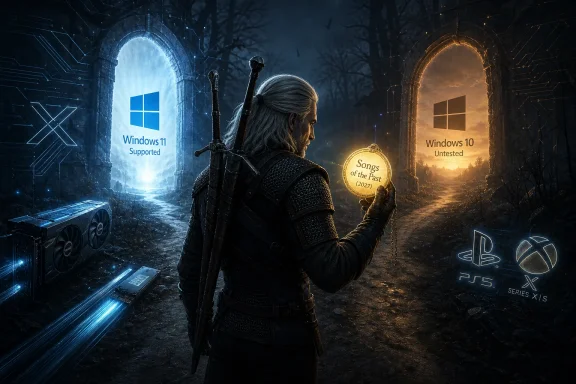 CD Projekt Red Turns a Game Expansion Into an Operating-System Deadline
There is a certain absurd poetry in The Witcher 3 becoming a Windows 11 story in 2026. This is a game born in the Windows 7 and Windows 8.1 era, sharpened during Windows 10’s reign, upgraded for ray tracing and current consoles, and now being used as evidence that the PC ecosystem has moved on whether users like it or not.Songs of the Past is not a routine cosmetics pack. CD Projekt Red is positioning it as a proper story expansion, arriving more than a decade after Hearts of Stone and Blood and Wine helped define the modern prestige RPG add-on. That history matters because The Witcher 3 has never behaved like disposable software. It has been patched, remastered, modded, rebought, and replayed across hardware generations.
The updated requirements therefore land differently than they would for a brand-new release. Nobody is shocked when a 2027 game asks for a modern OS, DirectX 12, an SSD, and a current console baseline. But when an 11-year-old game’s next chapter tells Windows 10 users they are no longer inside the tested circle, it feels less like progress and more like eviction.
CD Projekt Red has tried to soften that line. The studio’s clarification is important: the game may still run on Windows 10, but the company will not test the new expansion or future updates against that platform and will not guarantee stable behavior. In practical PC terms, that is the difference between a locked door and a bridge with no inspection certificate.
Windows 10 Is No Longer the Safe Default
For years, Windows 10 occupied a privileged place in PC gaming. It was the boringly sensible choice: widely supported, familiar, less demanding than Windows 11 in hardware policy, and free of some of the interface and telemetry grievances that made Microsoft’s newer OS a culture-war object among power users.That era is over, at least from the perspective of software vendors making forward-looking support decisions. Microsoft ended mainstream Windows 10 support on October 14, 2025, and while extended security options exist in limited forms, the mass-market signal is unmistakable. Windows 10 is no longer the default supported consumer Windows platform. Windows 11 is.
Game developers do not need to hate Windows 10 to abandon it. They only need to calculate that the cost of testing, certifying, debugging, and supporting an old OS is no longer worth the market goodwill gained by keeping it on the requirements sheet. That calculation becomes easier once Microsoft itself has shifted the burden to users and organizations that choose to remain behind.
This is why CD Projekt Red’s move should be read less as a shocking anti-Windows 10 decree and more as an early visible example of a post-support market norm. When the operating-system vendor stops treating a platform as current, every other vendor gets permission to reduce its own promises. The first few high-profile cases sting; after that, the pattern becomes background noise.
“Unsupported” Is the Word That Does the Damage
PC gamers are trained to think in binaries: supported or unsupported, compatible or incompatible, launches or crashes. Real-world software support is messier. CD Projekt Red’s stated position leaves Windows 10 users in a gray zone where the game might run, might run well, and might continue running for years — until a patch, driver, shader compiler change, launcher update, anti-cheat dependency, or graphics feature breaks something nobody is assigned to fix.That is what unsupported really means. It is not a prediction of immediate failure. It is a withdrawal of obligation.
For enthusiasts, this ambiguity can sound acceptable. PC gaming has always involved unsupported combinations: old CPUs, hacked drivers, Proton layers, community patches, mod loaders, registry tweaks, and “it works on my machine” forum posts. Many Windows 10 users will reasonably decide that they can tolerate some risk, especially if their existing hardware is stable and Windows 11 offers them little obvious benefit.
But for developers and support teams, ambiguity is expensive. Every extra OS matrix multiplies QA time. Every rare crash report from an untested platform becomes harder to triage. Every “but the base game works” complaint becomes a customer-service sinkhole. At some point, the studio’s support page becomes a boundary marker: if you stand outside it, you are on your own.
That boundary is what changed here.
The Windows 11 Requirement Is Also a Hardware Requirement in Disguise
The backlash is not only about taste. Many Windows 10 holdouts are there because Windows 11’s official requirements locked out otherwise usable machines. TPM 2.0, Secure Boot expectations, CPU generation cutoffs, and Microsoft’s broader security model turned an OS upgrade into a hardware sorting mechanism.That is why a Windows 11-only requirement can feel punitive even when the game itself is not necessarily demanding some magical Windows 11 feature. For a subset of users, upgrading the OS is not a one-hour task. It means replacing a motherboard, CPU, or entire PC. For others, it means moving from a known-good performance configuration into an environment they distrust.
The updated Witcher 3 requirements reportedly go beyond the OS line as well, moving the baseline toward DirectX 12 and SSD storage. That matters because the Windows 11 controversy can obscure the more ordinary technical reality: a 2027 expansion built for PS5, Xbox Series X|S, and modern PCs is not being tuned for the assumptions of 2015.
Hard drives are the clearest example. The industry has spent years treating SSDs as the practical minimum for modern open-world streaming, not because developers are lazy, but because the performance envelope changed after current-generation consoles standardized fast storage. A studio building new content today is not optimizing for the same asset pipeline that shipped alongside the PlayStation 4 and Xbox One.
The Windows 11 line is the headline. The underlying message is broader: CD Projekt Red is rebuilding the floor beneath The Witcher 3, and that floor now looks like the current console generation.
Old Consoles Were Cut for the Same Reason, With Less Outrage
The absence of PlayStation 4, Xbox One, and Nintendo Switch versions tells the same story with fewer emotional complications. Nobody seriously expects a 2027 expansion for an already upgraded open-world RPG to keep targeting every legacy console SKU. The old machines had their decade. Their limitations are understood.PC is different because it sells itself as continuous. A Windows desktop is not supposed to have console generations, at least not culturally. Users swap GPUs, add RAM, clone drives, install drivers, and expect the platform to stretch. That expectation is one of PC gaming’s great strengths, but it also creates resentment when software vendors impose generational lines anyway.
In this case, the PC line and console line rhyme. PS4, Xbox One, Switch, HDD-first assumptions, Windows 10, and older driver stacks all belong to the same design past. They are not identical, but they represent the same support burden: platforms that can still run plenty of games, but no longer define the target for new high-profile content.
The emotional difference is ownership. Console players know when a generation ends because the box under the TV stops receiving major releases. PC users often discover it one requirement table at a time.
Nvidia’s Driver Clock Makes the Argument Easier
CD Projekt Red’s explanation also leans on the GPU ecosystem, and that is where the Windows 10 story becomes more than a Microsoft policy dispute. Nvidia has said it will continue full Windows 10 Game Ready and Studio driver support only through October 2026, then transition to quarterly security updates for several more years. That distinction is crucial for games.Security updates are not the same as day-one optimizations, performance fixes, game-specific profiles, or rapid bug response. A new RPG expansion launching in 2027 wants to arrive in a world where GPU vendors are actively tuning for its behavior on supported platforms. If Windows 10 is already moving into a reduced driver-support lane, developers have less incentive to promise parity.
AMD and Intel have their own support policies and hardware priorities, but the broader direction is familiar. Graphics vendors follow the money and the platform momentum. They optimize for current operating systems, current APIs, and current hardware features. Once an OS is outside the mainstream lane, gaming support becomes increasingly conditional.
This does not mean Windows 10 gaming suddenly collapses. Steam libraries will not vanish. Existing games will keep running. But the newest releases and major updates will increasingly treat Windows 10 as a compatibility accident rather than a first-class target. That is a subtle shift until it is your favorite game on the wrong side of the line.
The Revert Option Is Sensible, but It Is Not Preservation
CD Projekt Red’s promise that users can revert to the current version of The Witcher 3 if future updates or the expansion prove unstable on Windows 10 is the right mitigation. It acknowledges the reality of a huge installed base, a passionate modding community, and a game whose existing content remains valuable even without the new expansion.But rollback is not the same as support. A frozen branch preserves a moment; it does not keep a platform current. Players who stay on the older version may avoid breakage, but they may also lose access to future fixes, new content, compatibility updates, or ecosystem improvements tied to the modern branch.
For GOG users, the idea of version control and offline installers fits naturally with the store’s preservation-friendly identity. For Steam users, branch management is usually less visible but still possible when developers expose older builds. The implementation details will matter enormously. A clearly labeled legacy branch can turn a messy transition into an acceptable compromise. A vague rollback process buried in support notes will not.
This is where CD Projekt Red has an opportunity to do better than the industry average. The studio has a PC audience that remembers both generosity and technical missteps. If it wants goodwill during an OS cutoff, it should treat version preservation as part of the product, not a grudging escape hatch.
The Modding Community Will Feel the Split First
The Witcher 3 is not just a game installation; for many PC players, it is a curated ecosystem of mods, reshades, script extenders, texture packs, balance changes, and community fixes. Any major branch split risks creating a new compatibility map: legacy Windows 10-friendly builds on one side, current expansion-ready builds on the other.Mod authors will follow their own incentives. Some will target the newest version because that is where the attention goes. Others will freeze support around older builds because their tools, dependencies, or personal setups remain there. Users will be left navigating load orders and version notes with the caution usually reserved for Bethesda games.
This is not a reason to avoid progress. It is a reason to communicate it clearly. A modernized engine path, new content pipeline, and Windows 11 baseline may be perfectly defensible, but PC communities punish ambiguity. If a patch changes script behavior, rendering assumptions, file structures, or mod hooks, players need specifics rather than marketing language about evolved hardware capabilities.
The harsh truth is that old games with active communities are harder to update than new games. Their technical debt is social as much as architectural. Every improvement touches someone’s carefully maintained setup.
Windows 10 Holdouts Are Not a Monolith
It is tempting to caricature Windows 10 users as stubborn nostalgics refusing the future. That misses the practical reasons many people remain there. Some prefer the interface. Some dislike Windows 11’s account nudges, defaults, ads, Start menu changes, or hardware rules. Some are running older but capable systems. Some simply see no reason to disturb a stable gaming PC.There is also a trust issue. Microsoft’s Windows 11 era has been defined not only by security upgrades and platform modernization, but by aggressive promotion of cloud services, AI features, and user-interface changes that many power users experience as friction. For that audience, “just upgrade” sounds less like advice and more like surrender.
At the same time, Windows 10 users cannot reasonably expect indefinite first-class support for every new release. The OS is past its mainstream support endpoint. Driver support is narrowing. Developers are targeting hardware and APIs that did not define the PC market when The Witcher 3 launched. Both things can be true: Microsoft made the migration more painful than it needed to be, and software vendors are not obligated to carry that pain forever.
The result is a classic PC transition: technically defensible, emotionally messy, and unevenly distributed. Some users will upgrade without incident. Some will dual-boot, freeze builds, or wait for community reports. Some will decide the expansion is not worth the platform move.
This Is a Preview of the Next Two Years of PC Gaming
The Songs of the Past requirement change matters because it previews a broader wave. As 2026 turns into 2027, more developers will look at Windows 10 and ask whether supporting it is still worth the QA cost. For new games built around DirectX 12, current GPU drivers, SSD streaming, and current-console assumptions, the answer will increasingly be no.The shift will not happen all at once. Indie games, esports titles, and lower-spec releases will often keep Windows 10 compatibility longer because their audiences and technical needs differ. Live-service games may move cautiously because large player bases punish abrupt cutoffs. Enterprise-adjacent software has its own slower rhythm.
Big-budget games are different. They are built around launch windows, marketing beats, graphics showcases, and driver partnerships. They benefit from a clean support matrix. When a publisher can say “Windows 11, SSD, DX12, current consoles,” it reduces uncertainty and aligns with where hardware vendors want the ecosystem to go.
That is why The Witcher 3 is a symbolic case. This is not a brand-new engine flexing on old PCs. It is a beloved legacy title being pulled forward by new content. If even Geralt’s old world now requires a modern support contract, the direction of travel is obvious.
The Practical Advice Is Boring, Which Means It Is Probably Right
For WindowsForum readers, the useful response is not outrage or blind acceptance. It is inventory. If The Witcher 3: Songs of the Past matters to you, the relevant question is not whether Windows 10 can be made to run it on launch day. The question is whether you want your 2027 gaming setup to depend on an unsupported operating system, reduced GPU driver attention, and developer goodwill.If your hardware supports Windows 11 and you have avoided upgrading mainly out of preference, the next year is the time to test the move on your own schedule rather than under the pressure of a release date. Image your drive, check your firmware settings, validate game performance, and make sure your peripherals and tools behave. A controlled migration is almost always better than a panicked one.
If your hardware does not officially support Windows 11, the calculus is harder. You may be able to keep playing the existing Witcher 3 branch, and you may even get the expansion working. But you should treat that as an experiment, not a guarantee. The more future-facing your gaming habits are, the more that old platform will become a recurring negotiation.
For administrators, labs, streamers, and anyone managing multiple machines, CD Projekt Red’s move is one more data point in the Windows 10 retirement file. Gaming PCs are often treated as less formal than workstations, but they rely on the same driver and security ecosystems. Unsupported does not mean unusable; it means every problem starts with fewer people responsible for solving it.
Geralt’s New Contract Comes With Fine Print
The concrete lesson from this announcement is not complicated, but it is easy to blur in the noise. CD Projekt Red is not necessarily blocking Windows 10 users at the executable level. It is removing Windows 10 from the promise.- Songs of the Past is scheduled for 2027 and is being targeted at PC, PlayStation 5, and Xbox Series X|S rather than the previous console generation.
- Windows 11 is now the supported PC baseline for the new expansion and future-facing The Witcher 3 requirements.
- Windows 10 may still run the game, but CD Projekt Red says it will not test the DLC on that OS or guarantee stable performance after future updates.
- The cutoff aligns with Microsoft’s Windows 10 end-of-support timeline and the narrowing of full GPU driver support for the old OS.
- The ability to revert to an older game version is a useful safety valve, but it does not make Windows 10 a supported platform again.
- Players with heavily modded installs should expect the branch split and future updates to create compatibility work, not just a simple launcher decision.
References
- Primary source: Mezha
Published: Thu, 28 May 2026 11:17:00 GMT

The new DLC for The Witcher 3 will not be compatible with Windows 10
CD Projekt Red will no longer support Windows 10 in the new Songs of the Past DLC for The Witcher 3, following the end of support for the operating system by Microsoft and NVIDIA. mezha.ua
- Related coverage: gamesradar.com
- Related coverage: windowscentral.com
CD Projekt Red updates Witcher 3 requirements
CD Projekt Red says evolving hardware capabilities are behind major platform and minimum spec changes for The Witcher 3’s next expansion. www.windowscentral.com
- Related coverage: techradar.com

'Embark on a brand-new adventure before heading out on the Path as Ciri in the upcoming The Witcher 4' — The Witcher 3 - Songs of the Past theories are already running wild as fans speculate about a possible Witcher 4 tie-in adventure
The Witcher 3 fans are already speculating about Songs of the Past's story, with some hoping for a more Ciri-focused quest that will lead into The Witcher 4.www.techradar.com
- Related coverage: cdprojekt.com

The Witcher 3: Wild Hunt - Songs of the Past Announced - CD PROJEKT
CD PROJEKT RED today announced that a third expansion to The Witcher 3: Wild Hunt, one of the most critically acclaimed and best-selling role-playing games of all time, is coming next year. Songs of the www.cdprojekt.com
- Related coverage: gamespot.com

The Witcher 3 Is Dropping Windows 10 Support For Its New DLC, And Fans Aren't Happy
The Witcher 3: Wild Hunt is getting a third story expansion in 2027, more than 12 years after the game’s original release. 2015 was a long, long time ago, and gaming hardware has drastically changed since– so much so that CD Projekt Red is updating the recommended specifications for The Witcher... www.gamespot.com
- Related coverage: tbreak.com
Witcher 3 Songs of Past DLC confirmed for 2027 | tbreak
The Witcher 3 gets a surprise third expansion after 11 years. Songs of the Past arrives in 2027 exclusively on PS5, Xbox Series X|S and PC, developed with former Witcher 3 creators at Fool's Theory. tbreak.com
- Related coverage: buzzarena.com
CD Projekt impose Windows 11 pour jouer à The Witcher 3, les joueurs sous Windows 10 sont exclus
CD Projekt Red dépoussière la configuration PC minimale de The Witcher 3 Wild Hunt. Le studio polonais justifie ce durcissement par la sortie de la www.buzzarena.com
- Related coverage: tweakers.net
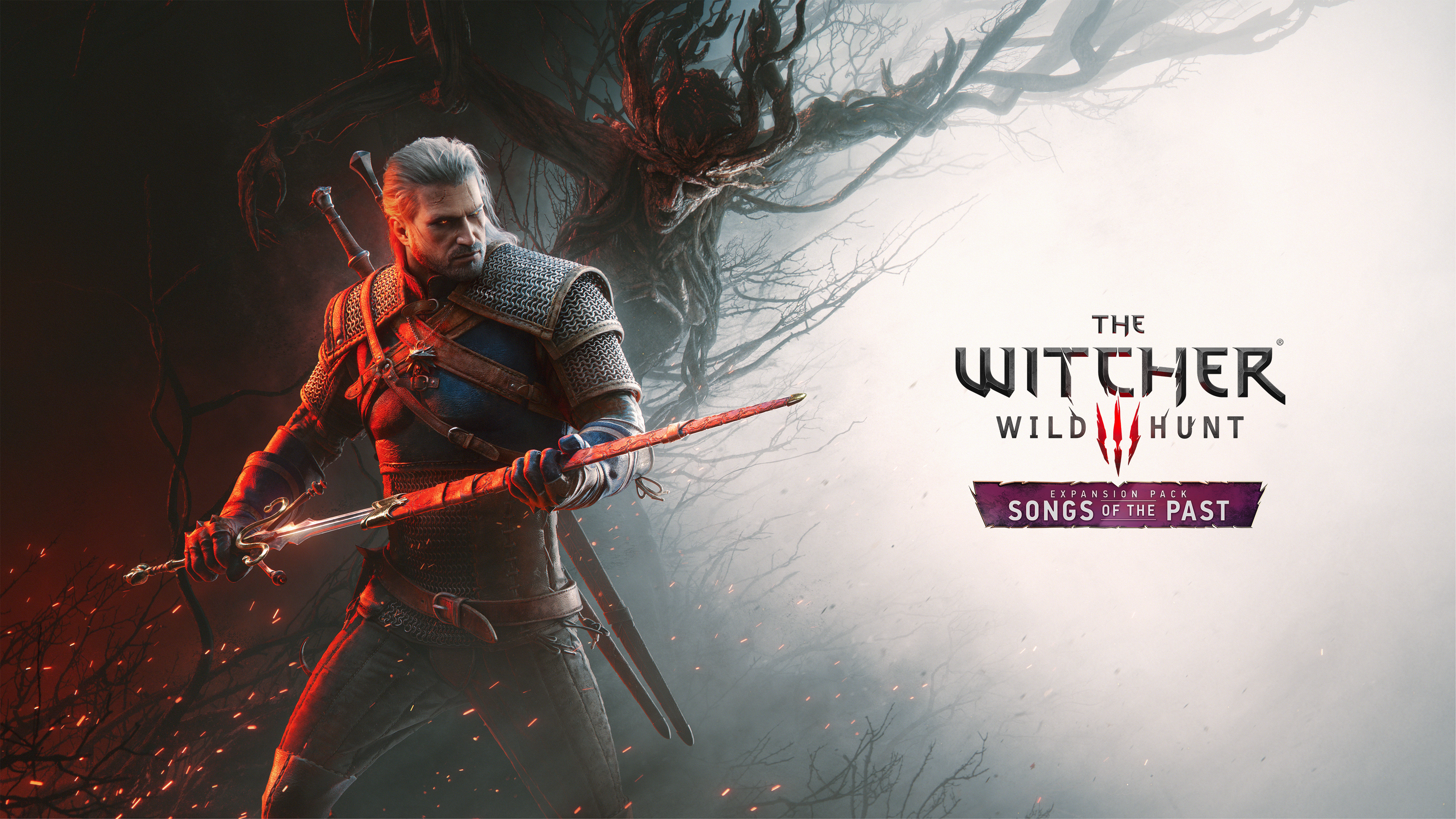
The Witcher 3 krijgt twaalf jaar na release nieuwe dlc: Songs of the Past
CD Projekt RED brengt in 2027 een nieuwe dlc uit voor The Witcher 3: Wild Hunt. Daarmee krijgt de game twaalf jaar na release ineens nieuwe content. De dlc komt alleen beschikbaar voor de pc-, PS5- en XBOX Series X- en S-versies van de game.tweakers.net
- Related coverage: beebom.com

New Witcher 3 DLC Songs of the Past Announced, Coming in 2027
CD Projekt Red has finally revealed The Witcher 3 Songs of the Past DLC, with the new expansion potentially tying into The Witcher 4. beebom.com
- Related coverage: en.gamegpu.com
- Related coverage: windowsforum.com

The Witcher 3 Songs of the Past: Windows 11, DX12, SSD minimums explained (2027)
CD Projekt Red announced on May 27, 2026, that The Witcher 3: Wild Hunt will receive a third expansion, Songs of the Past, in 2027 for PC, PlayStation 5, and Xbox Series X|S, alongside sharply higher minimum PC requirements that move the game to Windows 11, DirectX 12, and SSD storage. The story... windowsforum.com
- Related coverage: pcgamer.com
- Related coverage: gematsu.com
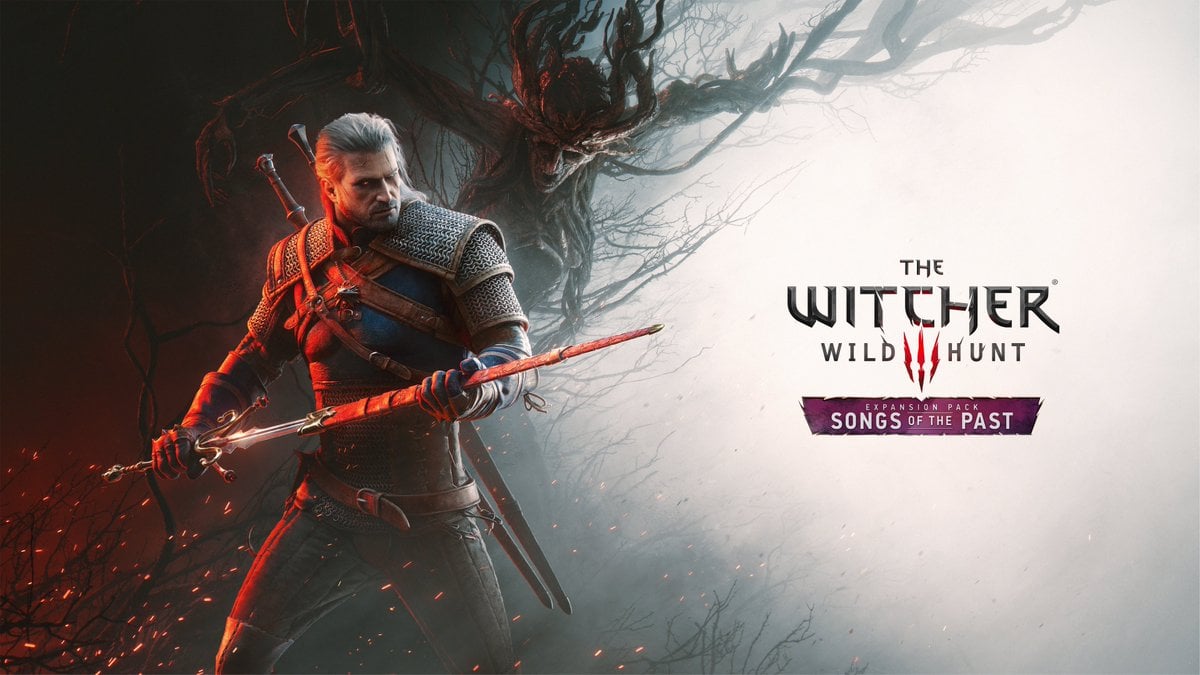
The Witcher 3: Wild Hunt expansion ‘Songs of the Past’ announced for PS5, Xbox Series, and PC
CD Projekt RED has announced The Witcher 3: Wild Hunt downloadable content “Songs of the Past,” the first new expansion for the 2015-released open-world action RPG since “Blood an… www.gematsu.com
- Related coverage: as.com

Es oficial: CD Projekt anuncia Songs of the Past, la nueva expansión de The Witcher 3: Wild Hunt
Geralt volverá en 2027 con Songs of the Past, la nueva expansión de The Witcher 3 co-desarrollada por Fool’s Theory.as.com
- Official source: support.microsoft.com
Windows 10 support has ended on October 14, 2025 - Microsoft Support
Windows 10 support ends on October 14, 2025. Upgrade to Windows 11 now to ensure continued security and feature updates. Learn more about the transition. support.microsoft.com
- Official source: learn.microsoft.com
Windows 10 reaching end of support - Microsoft Lifecycle
Announcing Windows 10 reaching end of support.learn.microsoft.com - Official source: microsoft.com
End of support for Windows 10, Windows 8.1, and Windows 7 | Microsoft Windows
Make a smooth transition to Windows 11 from your unsupported operating system with help from Microsoft. Enjoy the benefits of upgrading to a Windows 11 PC.www.microsoft.com
- Official source: techcommunity.microsoft.com
Windows 10's extended support ends in eight months | Microsoft Community Hub
Windows 10’s extended support ends in eight months, but users are still rejecting Windows 11, at least in Germany.Windows 10 support officially ended on... techcommunity.microsoft.com
- Related coverage: tomshardware.com

Windows 10 support ends today — here's who's affected and what you need to do
Update if you can, upgrade if you can't, or at least get the extended support license.www.tomshardware.com
- Related coverage: thurrott.com
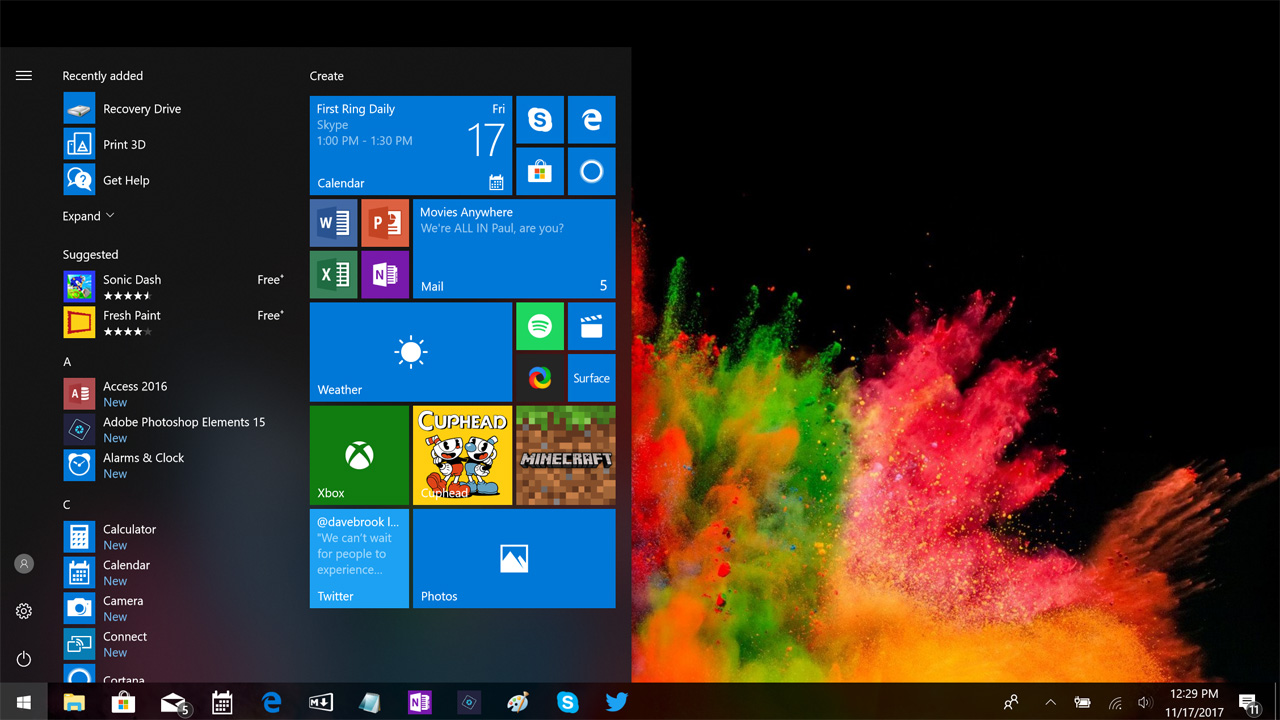
Windows 10 Support Ends on October 14, 2025
A Microsoft support document has been edited to explain that support for Windows 10 Home and Pro ends on October 14, 2025. www.thurrott.com
- Related coverage: techspot.com
- Related coverage: tomsguide.com
- Related coverage: cincodias.elpais.com

Cómo conseguir el soporte extendido para tu ordenador con Windows 10
Es muy fácilcincodias.elpais.com
