

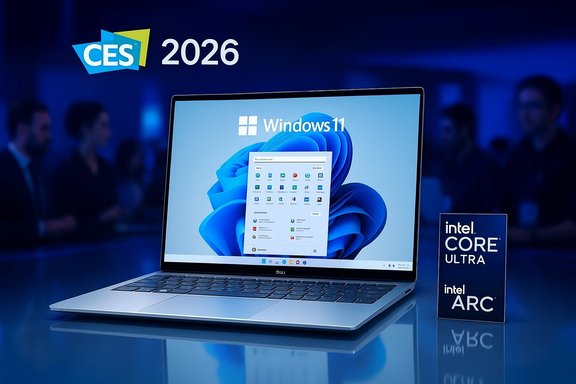
Headline: Dell’s XPS comeback at CES 2026 — what it means for Windows 11, buyers, and the PC market
Lead paragraph
Dell has quietly — and quickly — reversed course on a controversial 2025 rebrand by bringing the XPS premium laptop family back into its lineup at CES 2026. The relaunch (anchored by new XPS 14 and XPS 16 models) is already rolling into select markets and ships with Windows 11 on the new hardware, a development that strengthens Microsoft’s ecosystem at the premium end of the PC market and gives Windows 11 a fresh, high-profile hardware play. Why this matters (summary)
- XPS was Dell’s flagship consumer premium brand for years; its disappearance in 2025 left a hole in the premium Windows laptop story. Dell’s U‑turn restores a familiar badge that consumers and reviewers trust, and that matters for brand-driven, high‑margin purchases.
- The new XPS models are shipping with modern Intel Core Ultra-series processors and Windows 11, which means the machines will be closely tied to the latest Windows 11 feature set and driver/firmware support. That helps Microsoft’s messaging around Windows 11 features (including AI-enabled experiences on Copilot-capable hardware) remain visible on dramatic, premium hardware.
- From the perspective of WindowsForum.com readers — enthusiasts, power users and IT pros — this isn’t just a nostalgia story: it affects availability of high-end Windows 11 configurations, driver/tooling support from Dell, and choices for businesses and creators weighing Windows 11 laptops in 2026.
In mid‑2025 Dell attempted a broad simplification of its product naming, moving away from legacy names such as XPS, Inspiron, Latitude and Precision into a “Dell Premium / Pro” naming scheme. The move was intended to simplify the portfolio but prompted objections from reviewers, enterprise buyers and long‑time XPS fans who associated that name with premium design and engineering. At CES 2026 Dell acknowledged the mistake and announced it is restoring the XPS brand and new XPS models. Dell executives said the company “underperformed” and that they had “listened” to customers, which led to the relaunch at CES. What Dell announced at CES 2026 (concrete details)
- New models: Dell reintroduced an XPS 14 (DA14260) and an XPS 16 (DA16260) as the first products in the revived line; Dell is also teasing a return of XPS 13 later in 2026.
- Key silicon: the new XPS models are offered with Intel Core Ultra-series processors (including Ultra X7 / Ultra 7 options) and in some SKUs Intel Arc graphics. That aligns XPS with the very latest client silicon available at CES 2026.
- Software: Dell fields the new XPS models with Windows 11 Home (consumer SKUs) and Windows 11 configuration options, meaning the machines are built and tuned for the current stable Windows 11 experience and the drivers/firmware stack that supports it.
- Availability and pricing: limited configurations were reported available starting early January 2026 in select markets (Canada listings surfaced immediately after CES), with broader region rollouts and additional configurations scheduled later in the year. Pricing at announcement for base configurations was positioned in the premium bracket (pricing varies by market and configuration).
1) More premium Windows 11 hardware on retail shelves
Premium devices like XPS are a shop window for the OS. When a leading PC brand ships high‑visibility hardware preloaded with Windows 11, it delivers marketing and real-world experience exposure for Microsoft’s latest OS features — everything from Windows 11’s UI refinements to platform-level optimizations for performance, power, and (where relevant) AI features. That helps Windows 11 remain the default choice for buyers comparing premium Windows notebooks. 2) Better OEM driver and firmware support for Windows 11
When a vendor puts an iconic name back into the mix at a high price point it tends to invest in driver quality, ongoing firmware support, and updated utilities (battery management, display control, audio tuning). That directly benefits Windows 11 users because improved driver and firmware support reduces update friction (compat problems, WHEA/BSODs from bad drivers), and it tends to accelerate feature parity with the latest Windows updates. Industry reports around the XPS relaunch note Dell emphasizing battery life, display tech and component tuning — all areas where driver/firmware quality matters. 3) A clearer upgrade path for mainstream and pro customers
Dell’s repositioned product tiers (XPS for premium consumers; Pro/Precision for businesses) give IT and buyers clear guidance for where to prioritize Windows 11 deployments. For businesses approving consumer-grade Windows 11 devices for executive or creator roles, a revived XPS reduces guesswork about which Dell SKU best represents a premium Windows 11 experience. That can subtly increase Windows 11 adoption decisions in corporate refresh cycles when decision-makers are comparing vendor roadmaps. 4) Platform-level features (AI, Copilot) remain visible on real hardware
Although Dell and other OEMs have dialed back “AI-first” marketing in some messaging (noting customers won’t buy laptops for AI alone), the presence of Copilot-capable devices and Copilot+ PC features within Windows 11 remains tied to OEM hardware that ships with the right silicon and certification. New XPS laptops with Core Ultra processors are the kind of units that OEMs and Microsoft test to ensure those features work well, so their presence helps keep Windows 11’s AI story accessible to consumers on real devices. Practical implications for buyers on WindowsForum.com
If you’re planning to buy a laptop in early 2026 or to standardize for a small business, here’s what to consider:
- If you want a premium Windows 11 experience (display quality, battery life, chassis, support), watch the new XPS 14/16 SKUs. Early reviews praise battery life and display behavior; Dell emphasized thinness and long battery runtimes in CES material. But configurations and local pricing will vary — confirm the exact SKU and Windows edition at purchase.
- Driver and firmware cadence: expect Dell to publish updated drivers and firmware packages for the XPS line through their support portal. If you’re deploying in an enterprise environment, test the Dell update bundles in a lab image before broad rollout; don’t assume default factory drivers are the final set. Dell has historically updated support packages for XPS quickly after launch.
- Windows 11 features to look for: verify whether the configuration includes Windows 11 Pro (for BitLocker, Group Policy and enterprise manageability) or Windows 11 Home (consumer features). If you rely on Copilot+ features locally, check the hardware requirements and the specific SKU’s compatibility (Dell’s product pages will list Copilot/Copilot+ capability if present).
- Timing and region availability: early availability reports indicated Canada received listings immediately after CES, with other markets slated to follow. If you’re in the U.S., check Dell’s U.S. product pages and major retail partners for exact US availability dates (Dell often staggers region launches and color/CPU options).
- Tradeoffs vs competition: ASUS, HP, Lenovo and Samsung are also refreshing Windows 11 portfolios in 2026; compare real‑world battery and display results rather than raw marketing claims. Independent reviews and WindowsForum community tests will be useful — wait for in-depth reviews for thermals, sustained performance and real battery life tests before you commit.
- OEMs and Microsoft both pay attention to ecosystem optics. When a large PC vendor restores an iconic consumer brand and ships polished units with Windows 11, it stabilizes the premium tier where Microsoft positions its showcase features. That matters for developer perception, accessory vendors (docking, monitors, Thunderbolt peripherals), and enterprise proof points.
- Certification and platform testing: a revived XPS will go through the same Windows certification and Windows Hardware Compatibility Program updates as other Copilot-capable or Windows 11 PCs. That means driver signing, firmware testing, and partner co‑validation that ends up benefiting end users who expect updates through Windows Update and OEM channels.
- Competition, prices and promotions: the reappearance of XPS as a premium line may re‑tighten competition at the top end of the market. Expect promotional activity from Dell (discounts, trade‑in offers) to regain momentum in markets where XPS has local demand; competition sometimes yields improved price/performance for buyers.
From early coverage and spec sheets released at CES 2026, reviewers and outlets call out:
- Display improvements including 1–120Hz variable panels and OLED options on some SKUs, which can improve battery efficiency and visual quality.
- Ambitious battery life claims in marketing materials (Dell quoted unusually long streaming/local playback numbers) — but independent battery test results from trusted labs should be consulted before taking marketing numbers as typical use-case results.
- High-performance Intel Core Ultra processors and optional Intel Arc graphics in select SKUs, which position XPS as a capable creator notebook as well as a premium consumer laptop.
- Marketing vs reality: OEM claims at a kickoff event are always optimistic. Real-world reviews (thermals, sustained CPU/GPU performance, battery in mixed workloads) will confirm whether the new XPS hardware lives up to the hype. Wait for third‑party lab tests.
- Windows 11 updates & OEM patches: early adopters should plan for a wave of driver/firmware updates in the weeks after a product launch. If you require rock‑solid stability, delay non‑urgent deployments until Dell has had time to iterate on firmware and driver releases.
- Geographic rollouts: availability and warranty/service terms vary by country; Canada received early listings, but confirm U.S./EU availability and configuration options before ordering.
- If you’re a buyer: bookmark Dell’s XPS pages, check regional retailers for availability and compare independent reviews (thermals, battery life). If you need enterprise-grade management, push for Windows 11 Pro SKUs or consult Dell’s commercial lines (Pro/Precision).
- If you’re an enthusiast: plan to test USB/Thunderbolt peripherals, Linux compatibility (if you dual‑boot), and any display or color calibration workflows you use — XPS has historically been a favorite for creators who need color accuracy.
- If you manage deployments: request pre‑release driver/firmware notes from Dell, validate the devices in a lab image, and ensure your Windows 11 update controls (WSUS, Intune feature updates) are ready for any OEM firmware/driver pushes.
- June 2025: Dell’s initial rebrand replaced the XPS name with a simplified naming approach (Dell Premium / Pro), drawing criticism.
- January 2026 (CES 2026): Dell announced the return of XPS with new XPS 14 and XPS 16 models; early availability surfaced for markets including Canada immediately after the announcements. The broader CES coverage and Dell press interactions in early January confirmed the reversal.
Yes — with qualifications. Dell’s decision to restore XPS gives Windows 11 a clear premium showcase on newly engineered hardware, and that is good for platform perception, driver/firmware quality, and retail visibility. However, the real benefit to end users will be determined by how well the hardware performs in independent long-form reviews, how quickly Dell pushes solid drivers and firmware updates, and how availability/pricing land across regions. If Dell follows through on support and tuning, XPS’s comeback will be a meaningful boost to the Windows 11 ecosystem and give consumers and businesses clearer premium Windows options in 2026. Sources used to verify/report this piece (selected)
- Windows Central coverage of Dell’s XPS return at CES 2026.
- Independent reporting on availability and specs (Canada listings and product pages).
- IT Pro and other industry coverage on Dell’s branding U‑turn and strategic messaging.
- Context on Dell’s earlier rebrand and industry reactions.
- Pull together a short spec table comparing the announced XPS 14/16 SKUs to competing Windows 11 laptops from HP, Lenovo and ASUS (helpful for buying decisions).
- Monitor review sites and post a follow‑up summary once independent thermal/battery tests appear.
Which would be most useful to you?
Source: The Mirror https://www.mirror.co.uk/tech/massive-windows-11-boost-popular-36521368/
