Microsoft Cloud Licensing Mass Claim at UK CAT: Methodology Under Fire

  • Thread Author
Microsoft will tell judges at the UK Competition Appeal Tribunal (CAT) that a proposed mass claim accusing it of anti‑competitive cloud licensing practices should be struck out because the plaintiffs’ methodology for proving common liability and quantifying loss is flawed, a move that puts the fight over Windows Server licensing at the centre of a legal, regulatory and commercial storm.

Judge presides in a courtroom with cloud provider logos and scales of justice.Background​

What’s before the tribunal​

A Collective Proceedings Order (CPO) application filed by Dr Maria Luisa Stasi seeks to bundle thousands of UK businesses into an opt‑out collective action alleging Microsoft charged higher fees for running Windows Server on rival cloud platforms (AWS, Google Cloud and Alibaba) than it charges on Microsoft Azure. The CAT has listed a one‑day hearing, with a day in reserve, on 11 December 2025 to decide whether the claim should be certified as a CPO. The class representative’s filings and public outreach estimate the potential damages at roughly £2 billion, and the CAT previously gave Microsoft until 25 July 2025 to file its initial response, followed by the claimant’s reply by 10 October 2025.

Why this matters now​

The litigation sits alongside active regulatory scrutiny of the cloud sector. The UK Competition and Markets Authority (CMA) published provisional findings in its cloud services market investigation on 28 January 2025, concluding that competition in the UK cloud market was not working as well as it should and that licensing practices — including those of Microsoft — risked harming competition. The European Commission has also launched coordinated inquiries into cloud‑market behaviour under the Digital Markets Act, signalling wide regulatory interest in cloud licensing and portability. Those parallel regulatory developments materially strengthen the evidentiary and political context for the claim.

Overview of the claim: allegations and scope​

Core allegations​

  • Microsoft allegedly made it materially more expensive (and sometimes contractually harder) for customers to run Windows Server workloads on AWS, Google Cloud and Alibaba than on Azure. The complaint says this has the practical effect of nudging—or even forcing—customers toward Azure, reducing competition in IaaS/PaaS markets and inflating costs for end users.
  • The proposed class covers UK‑domiciled organisations who paid to run Windows Server on the listed rival clouds, with the claim framed to include usage since December 2018 (the claimant’s public materials and media reporting identify this as the timeframe in scope). The class representative and her counsel say this produces a manageable universe of potential claimants and transactions for damages modelling.

Monetary scale​

The applicant estimates collective damages at about £2 billion, underpinning both the urgency of the recruitment campaign for class members and the strategic importance of certification. That figure has appeared repeatedly in press reporting and on the claim’s public materials.

Regulatory context: CMA and EU action that strengthens plaintiff arguments​

CMA provisional decision​

The CMA’s independent inquiry group provisionally concluded on 28 January 2025 that the UK cloud market was highly concentrated and that certain licensing and technical practices could harm switching and competition. That provisional outcome explicitly flagged concerns about the licensing treatment of software on rival clouds — the central factual underpinning of the Stasi claim. Regulators in the UK therefore provide contemporaneous findings that plaintiffs can point to when arguing that the conduct at issue created anticompetitive effects.

European Commission inquiries​

In November 2025 the European Commission opened market inquiries under the Digital Markets Act to assess whether large cloud providers (including Azure and AWS) act like “gatekeepers” in cloud infrastructure and whether DMA obligations or other structural remedies are appropriate. The Commission’s move, and Google’s subsequent tactical withdrawal of a separate complaint to concentrate evidence before Brussels, add weight to the wider narrative that cloud portability and licensing have systemic competition implications.

Microsoft’s defence: methodological attack and commercial arguments​

The stated legal strategy​

Microsoft’s immediate procedural strategy is to challenge the manageability and commonality of the claim — arguing the plaintiffs lack a reliable, common methodology to prove liability and quantify damages across thousands of diverse businesses. At the CPO stage the CAT's focus is not the merits per se but whether the claim is suitable for collective treatment; Microsoft will stress that the plaintiff’s loss model and common‑issue framework are insufficiently robust to meet that suitability test.

Commercial and licensing rebuttals​

Microsoft and its spokespeople have publicly argued the differences in cost between Azure and other clouds reflect genuine licensing distinctions and product choices, not anticompetitive conduct. Microsoft highlights legal licensing mechanisms such as the Azure Hybrid Benefit, rules about License Mobility and the technical nuances that make certain license discounts or features available only in Azure—or only under specific licensing programs. Those product‑specific licensing facts form the backbone of Microsoft’s rebuttal that what plaintiffs label a “penalty” for using rival clouds is in part lawful differentiation.

The legal gatekeeping test: how the CAT decides CPOs and where this case sits​

What the CAT asks at certification​

The CAT’s suitability inquiry — the statutory gatekeeper for collective proceedings — requires consideration of factors including whether:
  • the proposed class is identifiable,
  • there are genuine common issues of fact and law across class members,
  • the proposed proceedings are suitable to be heard collectively (the proportionality and manageability tests),
  • aggregate damages can fairly compensate the class, and
  • whether collective proceedings are likely to deliver a proportionate and fair outcome. These questions make the CPO stage a crucible for methodological challenges.

Precedent and pitfalls​

English competition litigation offers precedent where collective cases were accepted but also where claims failed certification because the proposed methodology could not deliver fair, manageable common proof. The CAT has broad discretion to require opt‑in rather than opt‑out certification or to refuse a CPO where individualized issues would overwhelm the common issues. That history frames Microsoft’s strategy: succeed at showing the plaintiff’s damages model is a bridge too far, and the CPO can be blocked or narrowed dramatically.

Economics and licensing mechanics: technical realities that matter in court​

Why Azure can look cheaper​

Two important, verifiable facts about Microsoft licensing help explain price differences without immediate recourse to antitrust theory:
  • Azure Hybrid Benefit (AHB): a Microsoft pricing mechanism that lets customers with qualifying on‑premises licenses and Software Assurance apply discounts when moving workloads to Azure. AHB is specific to Azure and can produce significantly lower per‑minute VM charges for Windows Server workloads compared with standard pay‑as‑you‑go charges.
  • License Mobility and product eligibility: Windows Server is notably not eligible for Microsoft’s general License Mobility program, meaning customers cannot simply bring existing Windows Server licenses onto competitor multitenant clouds and obtain identical treatment; different rules apply depending on licensing vintage, Software Assurance status, and whether the cloud uses dedicated hosts or license‑included offerings. These rules create contractually real differences in how Windows Server is charged across providers.
Because of those price engineering features, a plaintiff seeking class‑wide damages must show that apparent price differentials are not fully explained by lawful product‑specific licensing options — a complex economic and factual exercise. Microsoft will argue those lawful differences, and the resulting heterogeneity of customer arrangements, mean there is no credible single damages model that can be applied to all class members.

Unverified but circulating claims​

Various press accounts and trade comments refer to extreme markups in particular commercial scenarios (sometimes invoked as high as “up to 400%” in individual contract contexts). Those figures appear in media and industry commentary but are not publicly verifiable from disclosed contracts and should be treated cautiously until supported by tribunal‑grade evidence. The CAT will require demonstrable, documentable proof rather than press averages.

Practical litigation mechanics: manageability, damages modelling and discovery​

The principal battlegrounds at CPO​

At the December hearing the CAT will zero in on:
  • Class definition and identifiability: can the proposed class be objectively defined from billing records and provider logs?
  • Common issues vs. individual questions: are liability and core causation questions genuinely common?
  • Damage quantification methodology: can loss be proved on a common formula, or will thousands of mini‑trials be needed?
  • Proportionality and costs: will collective proceedings be a proportionate route to justice given the likely expense and complexity?
Microsoft’s methodological attack focuses on the damage model: if the defence convinces the tribunal a workable class‑wide model does not exist (or that any model would be so crude as to be unfair) the CAT may refuse certification or require opt‑in membership, raising the bar for claimants. Conversely, if the claimants persuade the tribunal they have credible econometric and document‑driven approaches to common proof, certification becomes likely and the case will advance to disclosure and expert evidence phases.

Discovery and evidentiary leverage​

If the CPO is granted, the claimants will gain access to Microsoft’s discovery processes, potentially including internal pricing and partner negotiations, supplier invoices and correspondence. That discovery could convert high‑level regulatory findings into litigable evidence of commercial intent and effect. Regulators’ public findings (CMA, EC) will not substitute for discovery evidence, but they provide a roadmap and corroborative support for claimants’ theories.

Strategic strengths for the plaintiffs​

  • Regulatory corroboration: the CMA’s provisional findings and the EU’s DMA inquiries give the claim a credibility edge not enjoyed by many class actions — regulators have already identified licensing as a concern in the marketplace.
  • Clear commercial mechanics for differential pricing: Microsoft’s distinct licensing programs (AHB, license‑included offers) make the precise legal and economic effects amenable to expert analysis; that clarity helps claimants craft a damages model if they can control for lawful differences.
  • Experienced representative and funding: the lead claimant and her legal team have experience in complex competition actions and have signalled funding resources sufficient to take the case through certification and beyond. That operational readiness matters in protracted, document‑heavy competition litigation.

Material weaknesses and risks for the claimants​

  • Manageability and heterogeneous customers: the greatest single legal hurdle is the need to show common methodology across a very diverse class — different licence vintages, Software Assurance choices, deployment models (dedicated host vs multitenant), and bespoke reseller discounts create noisy data that can undercut a single damages formula. Microsoft will seize on that heterogeneity.
  • CPO gatekeeping and opt‑in risk: the CAT can limit the case to opt‑in membership where sophistication and heterogeneity make opt‑out unfair. An opt‑in outcome would dramatically reduce the class size and likely the commercial viability of the claim.
  • Timing and regulatory remedies: regulators can impose fixes that remove the practical basis for damages claims (for example, new terms or remedies imposed under the DMA or CMA processes), allowing Microsoft to argue plaintiffs’ potential relief has been superseded or that damages are speculative. Conversely, regulators may also strengthen plaintiffs’ case — the timing is therefore a double‑edged sword.

What this means for IT leaders, procurement and CIOs​

  • Audit and preserve paperwork: organisations that ran Windows Server on AWS, GCP or Alibaba since late 2018 should immediately secure historical invoices, licence agreements, Software Assurance records, cloud bills and partner correspondence. Those records are the primary evidence for any damages calculation. The claim website and legal advisers are already soliciting intake materials.
  • Review licensing posture: revisit whether Windows Server licences were managed under Software Assurance, Azure Hybrid Benefit, or license‑included cloud offerings. The licensing path taken materially affects whether any overpayment theory applies.
  • Consider opt‑out consequences: the action is structured as an opt‑out collective claim; being automatically included could be beneficial or undesirable depending on your commercial circumstances. Organisations should watch the CAT timetable, the claim’s opt‑out mechanics and advice from counsel.

Likely outcomes and timeline​

  • If the CAT refuses certification at the 11 December 2025 hearing, the claim will stall or be reframed — Microsoft will have won a procedural victory and litigation risk will decrease substantially.
  • If the CAT grants a CPO (likely with detailed case management directions), the claim will enter disclosure, expert evidence and complex damages modelling — a process that often takes years and could end in settlement, trial or partial resolution on legal issues.
Regulatory actions (CMA final decisions or EC DMA outcomes) could accelerate commercial remedies or shift litigation incentives. Regulators can deliver binding remedies faster than the courts, and that possibility gives both sides leverage in settlement talks.

Bigger picture: platform power, cloud economics and the future of multicloud​

This litigation is a test case for whether modern cloud‑platform economics — where product‑level discounts, hybrid benefits and complex mobility rules exist — can form the basis of a large collective damages action. A successful certification and eventual damages award would send ripples through licensing policy worldwide, pressuring platform owners to simplify or equalise licensing across clouds and to negotiate different reseller terms with hyperscalers and hosting partners.
Conversely, a defence victory on methodology would raise the bar for follow‑on damages claims in complex digital markets, signalling that the CAT expects tight commonality and rigorous econometric models before unleashing opt‑out collective litigation against large platform owners. The tribunal’s approach will therefore shape how competition law remedies and private enforcement interact in the cloud era.

Conclusion​

The 11 December 2025 CPO hearing will be the decisive procedural crossroad: Microsoft’s attack on the claim’s methodology is the predictable — and arguably technically strongest — line of defence, because the CAT’s certification test squarely focuses on whether the proposed collective litigation can be fairly and efficiently run on a class‑wide basis. Plaintiffs bring regulatory corroboration and a plausible commercial theory grounded in known licensing differentiators; defendants bring product‑specific licensing facts and a practical argument that heterogeneity makes a single damages model impossible.
For UK businesses, the immediate action is operational and documentary — preserve records and consider legal advice. For regulators and policymakers, the case is also a reminder that the modern cloud stack’s pricing architecture can create real competition questions, and that private litigation is now an active channel for businesses seeking redress alongside regulatory routes. The CAT’s decision on certification will not decide who is right on the substantive antitrust claims, but it will determine whether the question is litigated in a single, high‑stakes forum or left to a patchwork of individual disputes and regulatory fixes.

Source: MLex Microsoft to say UK mass claim over cloud licensing practices is flawed | MLex | Specialist news and analysis on legal risk and regulation
 

Microsoft now faces a high-stakes legal and regulatory test in London after a collective claimant told the Competition Appeal Tribunal that the software giant ran a “coherent abusive strategy” designed to make running Windows Server on rival clouds materially more expensive — and in some cases slower — than running it on Microsoft’s own Azure platform. The certification hearing on 11 December 2025 will determine whether a Collective Proceedings Order (CPO) is granted and a mass damages claim involving tens of thousands of UK businesses and a multi‑billion‑pound damages figure can proceed to trial. The case lands against a backdrop of sustained regulatory scrutiny in the UK and beyond into cloud pricing, egress and licensing practices, and it crystallises the competition risks that follow from vertically integrated cloud ecosystems and proprietary licensing regimes.

Cloud giants AWS, Azure, and Google Cloud compete over Windows Server licensing and pricing.Background and overview​

The proposed class action, led by competition lawyer Maria Luisa Stasi, alleges Microsoft charged higher fees for Windows Server licences when customers ran those workloads on rival cloud providers such as Amazon Web Services, Google Cloud and Alibaba Cloud than when the same workloads ran on Azure. The claim has been framed as systemic: the applicant argues that Microsoft’s commercial terms and technical arrangements were deliberately structured to make Azure the cheaper and more attractive option, thereby disadvantaging competing hyperscalers and restricting competition in the cloud market.
Key features of the litigation as it stands:
  • The claim seeks collective certification before the UK Competition Appeal Tribunal under the Competition Act collective proceedings regime.
  • The applicant’s case says the class could encompass tens of thousands of UK businesses — publicly cited figures around the hearing point to roughly 60,000 potential class members.
  • The damages sought have been reported in a range up to about £2.1 billion (commonly summarised as approximately £2 billion), reflecting aggregated overcharges across claimed periods.
  • Microsoft has mounted a two-part defence at the certification stage: it contests the legal fit (that the claim can sensibly be tried as a single collective action) and it disputes the methodology proposed for calculating aggregate loss and allocating damages across a large and diverse class.
All of these elements — the size and scope of the putative class, the aggregation mechanics, and the interaction with contemporaneous market regulation — will influence whether the Tribunal grants a CPO and whether the litigation ultimately proceeds to a full fact-finding trial.

Why this matters: market, money and momentum​

This litigation matters for three interlocking reasons.
First, it tests how competition law copes with claims that combine technical licensing rules and commercial cloud pricing. Cloud markets are rapidly evolving: customers increasingly run mission‑critical workloads in public clouds, and hyperscalers’ pricing and contractual frameworks shape customers’ supplier choices. A finding in favour of the claimants — or significant regulatory prescription tied to these issues — could force material changes to major cloud providers’ licensing practices, pricing constructs and interoperability commitments.
Second, the monetary scale is non‑trivial. Multi‑billion‑pound exposure raises both direct financial implications and reputational risk for major vendors. Even if the central damages figure represents a small slice of the global revenues of a dominant cloud provider, the precedent created by a large collective damages award or by robust injunctive remedies would reverberate across commercial negotiations and procurement strategies.
Third, the claim sits in a broader regulatory ecosystem. UK competition authorities have already scrutinised cloud market dynamics, and the new digital markets powers give the CMA tools to impose conduct requirements on firms designated as having Strategic Market Status (SMS). That regulatory pressure strengthens the factual context for the claimants — even if the CAT’s legal standard for CPO certification is different from a regulator’s investigatory threshold.

Background: how Windows Server licensing works in the cloud​

At the centre of the dispute are the mechanisms by which Microsoft licences Windows Server for virtual machines and related workloads in cloud environments. Several commercial constructs are especially relevant:
  • Azure Hybrid Benefit (AHB): a Microsoft program that allows customers with qualifying on‑premises Windows Server licences (with Software Assurance or qualifying subscriptions) to apply those licences in Azure at a reduced compute rate. In plain terms, this can significantly lower the per‑VM cost in Azure versus pay‑as‑you‑go Windows Server billing.
  • Bring‑Your‑Own‑License (BYOL) / License Mobility: other cloud providers typically support BYOL arrangements under which customers move pre‑existing licences (sometimes tied to Software Assurance or other contractual mechanisms) to non‑Azure clouds. The precise portability, price points and administrative obligations vary by product and by the cloud provider’s host model (shared multitenant vs dedicated host).
  • Product terms and billing metadata: Microsoft’s product terms and Azure pricing pages set out special rates, migration allowances and host licensing rules that can create different effective costs in Azure compared with third‑party clouds. Some of these differences are technical (e.g., host licensing models or unlimited virtualization rights on certain Azure hosts), and others are commercial (discounts and benefit packaging).
Those licensing features are central to the claimants’ argument because they can make functionally equivalent Windows Server deployments cheaper when run on Azure than when run on third‑party clouds. The claimant frames those price differentials — and associated technical or contractual frictions — as an exclusionary lever that steers customers to Azure.

What the claimants say: the “coherent abusive strategy”​

The applicant’s case blends three related allegations:
  • Price discrimination by destination: Microsoft charged materially higher licence rates, fees or host‑level charges to customers running Windows Server on competitors’ infrastructures than to customers running on Azure, thereby making Azure the economically dominant option.
  • Commercial structures limiting rival competitiveness: Microsoft’s contractual terms and licensing rules disadvantaged rival cloud providers by increasing market frictions, reducing price transparency, or confusing procurement comparisons.
  • Technical degradation / interoperability obstacles: the claim includes allegations that Microsoft configured or distributed Windows Server in a way that reduced performance, stability or feature parity on competitor platforms — an allegation the applicant describes as a deliberate tactic to discourage customers from choosing non‑Azure hosts.
Taken together, the applicant urges the Tribunal to view those elements as a single, implemented “strategy” to leverage Microsoft’s dominance in Windows Server to fortify Azure — thereby suppressing competition in the supply of cloud infrastructure services.
It is important to treat certain parts of the claim with care. The allegation that Microsoft “degraded” user experience on rival clouds is a serious factual charge. At present it is an allegation: proving deliberate technical degradation in court requires access to code, configuration, telemetry and expert testimony. That kind of proof is inherently difficult to assemble at the certification stage and is likely to require a fact‑intensive trial or regulatory disclosure.

Microsoft’s defence at certification: methodological and legal fault lines​

Microsoft’s response to the CPO application, as disclosed in the run‑up to the hearing, focused hard on methodology and manageability:
  • Damages quantification: Microsoft says the claimant’s proposed blueprint for calculating aggregate losses is unworkable for a collective proceeding. The company argues the claim lacks a robust, credible model for determining who suffered loss, the proper counterfactual (what customers would have paid or how they would have behaved absent the alleged conduct), and how to disaggregate damages across tens of thousands of heterogeneous customers.
  • Legal suitability for collective treatment: the defendant has raised the classic certification argument that the proposed class is too heterogeneous for a single, aggregated trial to resolve — because the precise contractual histories, licensing terms, commercial bargaining positions and migration choices vary widely across organisations.
  • Pro‑competitive explanations: Microsoft will, and does, argue that differential pricing or special offers reflect legitimate commercial incentives (for migration, efficiency, or to reflect differences in bundled services) rather than an unlawful exclusionary strategy. Microsoft also frames its vertically integrated model — selling a platform and software that runs best on that platform — as commercially defensible and competition‑friendly in the sense that customers benefit from innovation and integration.
These defences touch on structural features of UK collective proceedings law. The Tribunal has a well‑developed jurisprudence on certification that weighs authorisation and manageability concerns carefully. Past cases demonstrate that the CAT will scrutinise the expert economic methodology and the practical realities of proving complex pass‑on, causation and counterfactuals in a single aggregated trial.

Legal and evidentiary hurdles: how the Tribunal approaches CPOs​

The Competition Appeal Tribunal’s CPO regime is demanding in practice. For a CPO to be made the proposed class representative must satisfy tests around:
  • Authorisation: the prospective representative must show independence, competence and that it will act fairly and adequately for the class.
  • Eligibility and commonality: the claims must be appropriate for collective treatment — there must be common issues of fact or law that predominate.
  • Manageability: the Tribunal must be satisfied that damages can be sensibly quantified and allocated across the class without defeating the purpose of the regime.
Empirical and legal complexity — for example, quantifying pass‑on of overcharges through supply chains, or testing counterfactuals about which cloud a particular customer would have used but for the alleged conduct — can defeat certification if the Tribunal finds those issues are unsuitable for an aggregated procedure.
The defendant’s emphasis on methodology therefore follows a well‑trodden line: many class action defendants in the UK and abroad have succeeded at the certification stage by showing that ostensibly common claims conceal irreconcilable individual issues that make a single trial unmanageable.

Regulatory context: CMA findings and the new digital powers​

This litigation does not unfold in a vacuum. UK competition authorities have been analysing the cloud market intensively:
  • Regulators have identified features of the cloud market — including high concentration among hyperscalers, egress fees, technical barriers to switching and certain licensing practices — as potential sources of harm to competition.
  • The CMA’s market study and inquiry process has recommended using new digital markets powers to investigate major providers for potential Strategic Market Status, a designation that could lead to binding conduct remedies.
  • Those regulatory findings strengthen the factual backdrop for the claimants: regulators have, independently, flagged the risk that some licensing and pricing practices can impair competition.
That said, an adverse regulatory finding and a successful collective damages claim are distinct legal outcomes with different standards of proof, remedies, and legal frameworks. Regulatory action can impose forward‑looking conduct requirements; competition litigation can award past damages and create private law precedent. Both can, however, amplify commercial and reputational consequences for a dominant supplier.

Stakes for customers, cloud providers and the market​

The outcome of the CPO hearing and any subsequent litigation will matter across multiple dimensions.
For enterprise customers:
  • A successful claim or appropriate remedies could lower switching costs, improve pricing transparency and reduce the total cost of running Windows Server workloads on third‑party clouds.
  • Conversely, the litigation may raise procurement complexity, as suppliers and customers renegotiate licence allocations, migration allowances and audit regimes.
For cloud providers:
  • Rivals to Azure have an obvious commercial interest in rectifying any pricing or technical differentials that hinder multi‑cloud strategies. A legal finding against Microsoft would validate complaints and likely spur contract, product and price changes.
  • Microsoft, if required to change licensing terms or pay damages, would bear short‑term costs; but it could also see regulatory constraints that limit future bundling or discriminatory pricing.
For the broader market:
  • Significant legal or regulatory interventions could encourage more open standards, clearer portability rules and pressure on hyperscalers to simplify licensing. That might increase multi‑cloud adoption and competitive intensity, but it also risks constraining how cloud vendors design integrated offers, which could affect innovation incentives.

Strengths and weaknesses of the claimant’s case​

Strengths:
  • Regulatory corroboration: contemporaneous CMA findings that certain licensing and contractual features harm competition add weight to the factual context; public regulator scrutiny lends credibility to the claimants’ theory of harm.
  • Scale and clarity of pricing differences: Microsoft’s own published benefits (such as Azure Hybrid Benefit) and commercial pricing constructs create a visible differential that the claimant can point to as evidence of economic advantage conferred on Azure.
  • Potential class size: the claim’s scale — thousands of businesses, by the applicant’s account — gives the litigation public significance and commercial leverage.
Weaknesses and risks:
  • Proof of causation and counterfactuals: the claimant must show that higher licence fees on rival clouds were caused by Microsoft’s conduct and that customers would have chosen different cloud arrangements but for that conduct. That is inherently granular and customer‑specific.
  • Quantification challenges: establishing an accurate, reliable aggregate model for damages that the Tribunal will accept at certification — and later at trial — is difficult where customer agreements, migration histories and bargaining power differ widely.
  • Allegations of technical degradation: claims that Microsoft deliberately degraded Windows Server performance on rival platforms require high‑quality technical evidence; absent smoking‑gun evidence, the Tribunal may treat this as speculative at the CPO stage.
  • Pro‑competitive justifications: Microsoft can advance legitimate commercial reasons for pricing and packaging differences — such as migration discounts, integrated services value, or cost differentials — and courts are cautious about upending commercial discretion absent clear legal error.

Practical scenarios and likely outcomes​

Several realistic outcomes could follow from the Tribunal’s certification hearing:
  • CPO granted (certification succeeds): the case proceeds to trial. Certification would be a major procedural win for the claimants and would allow the case to develop full fact discovery, technical disclosure and expert economic modelling. A trial could still take years.
  • CPO refused (certification denied): the claimants may have to regroup, refine their model, seek alternative procedural vehicles, or abandon broad aggregation in favour of smaller, targeted claims. Denial at this stage is not uncommon where methodological issues loom large.
  • Settlement before certification or trial: given the costs and risks for both sides, settlement remains a practical possibility. That could involve monetary compensation for certain categories of customers, contractual commitments, or changes to licensing terms — potentially coupled with non‑disclosure terms.
  • Regulatory follow‑on: regardless of the CPO, the CMA (or other authorities elsewhere) could proceed with SMS designation or impose conduct requirements. Regulatory outcomes could overlap with litigation in ways that materially affect commercial behaviour even absent a litigated damages award.

What to watch next​

  • The Tribunal’s ruling on the CPO application and whether it grants class certification on an opt‑out basis for UK members.
  • Any new factual disclosures or expert reports filed by the parties that sharpen the damages model or the technical evidence.
  • Parallel regulatory activity: whether the CMA moves to designate firms for SMS investigations or imposes interim conduct requirements that alter licensing terms.
  • Settlement signals, which could appear as confidential negotiations or public joint statements if a deal is reached.

Conclusion​

The UK mass claimant’s assertion that Microsoft pursued a “coherent abusive strategy” over cloud licensing is a consequential allegation that intersects law, technology and public policy. The hearing on 11 December 2025 is a procedural pivot point: it will determine whether a comprehensive, aggregated trial can probe complex counterfactuals across tens of thousands of customers and potentially deliver multi‑billion‑pound damages. Even if the Tribunal declines to certify the claim, the litigation — together with active regulatory scrutiny — is likely to accelerate commercial and policy conversations about how cloud markets should be governed, how licensing should encourage rather than impede competition, and how customers can protect themselves against the hidden costs of platform lock‑in. The matter therefore represents a pivotal moment for enterprise cloud procurement, for competition law in digital markets, and for the business model of vertically integrated cloud‑software vendors.

Source: MLex Microsoft had abusive cloud licensing practices, UK mass claimant tells judge | MLex | Specialist news and analysis on legal risk and regulation
 

Microsoft faced a fresh challenge in the UK on 11 December 2025 as a Competition Appeal Tribunal hearing considered whether a mass damages claim alleging abusive cloud-licensing practices should be certified — a case that accuses the company of deliberately imposing higher costs for running Windows Server on rival cloud platforms to funnel customers toward Azure.

Three judges sit at a cloud-themed courtroom table beneath AWS and Google Cloud logos.Background and overview​

The claim, brought by Dr Maria Luisa Stasi and supported by litigation funders and competition lawyers, seeks to bundle thousands of UK organisations into an opt‑out collective action alleging Microsoft charged higher licence fees for Windows Server when that software was used on competing public clouds such as Amazon Web Services (AWS), Google Cloud and Alibaba Cloud. The proposed class covers organisations that licensed Windows Server on those platforms over a multi‑year period; published materials and press reporting have put potential cumulative damages in the headline range of roughly £1 billion to £2.1 billion — figures that vary by source and depend on the model used to aggregate alleged overpayments. At stake in the one‑day (with a reserve day) CPO (Collective Proceedings Order) hearing was not liability on the merits, but whether the claim is sufficiently coherent, manageable and capable of common proof to proceed as an opt‑out collective action. The Tribunal’s preliminary gatekeeping role focuses on commonality of issues, the existence of a credible damages methodology, and whether class management is practicable in a case touching thousands of diverse commercial contracts.

Why this case matters: the market and regulatory context​

The broader cloud competition picture​

The litigation sits amid intensified regulatory scrutiny of the cloud market. The UK Competition and Markets Authority (CMA) published provisional findings in its market investigation on 28 January 2025, concluding that competition in UK public cloud infrastructure markets “is not working as well as it could” and flagging licensing practices and technical barriers as features that could harm switching and competition. The CMA said its provisional work could lead to designation of large cloud providers for stronger conduct remedies under the UK digital markets regime. Independent reporting and commentary have echoed those concerns, characterising Microsoft and AWS as dominant players whose licensing and contractual terms can make switching or multi‑cloud strategies costly for customers — a dynamic regulators fear reduces choice, raises prices and stifles innovation. The Financial Times and other outlets have summarised those regulatory concerns and the potential for the CMA to use its new digital markets powers to impose binding conduct rules.

The complaint’s economic claim (high level)​

Claimants allege Microsoft adopted a coherent, profit‑driven strategy: by structuring license terms, technical requirements and pricing so that customers pay materially more (or face operational barriers) when running Windows Server on third‑party clouds, Microsoft allegedly created an economic incentive to migrate to Azure or remain on Microsoft‑managed infrastructure. The claim requires three core elements to advance: proof that pricing/terms were discriminatorily higher or more restrictive on rival clouds, evidence that customers actually paid those higher costs, and a damages model that can reliably apportion loss across many heterogeneous contracts.

What happened at the December 11 hearing​

At the CPO hearing judges focused on procedure: can the claim be certified as a representative collective action? Microsoft’s immediate procedural strategy — reflected in pre‑hearing filings and public reporting — is to attack the claimants’ proposed damages methodology and argue the case lacks commonality and manageability. In short, Microsoft told the Tribunal that the proposed classwide model could not reliably identify which organisations suffered loss, by how much, or whether any alleged extra cost was caused by Microsoft’s conduct rather than legitimate commercial choices. Claimant counsel countered that regulatory findings (especially the CMA’s provisional conclusions) and aggregated market data provide a proper evidentiary foundation for common questions about whether Microsoft’s licensing terms had anticompetitive effects at scale, and that sophisticated econometric and sampling techniques can identify and quantify pass‑through and overcharges across a large class. That clash — technical, legal and methodological — is the precise sort of debate the Tribunal’s CPO stage is designed to triage.

Anatomy of the legal and economic issues​

Legal theory​

  • The claim is advanced under UK competition law and EU‑style Article 102 law (abuse of dominance), alleging that Microsoft abused its dominant software position to foreclose or disadvantage rival infrastructure providers. The legal elements the claimants must address include market definition, dominance, abusive conduct (pricing discrimination or tying), causation and quantifiable loss.

The damages and methodology battleground​

  • Microsoft’s defence will predictably focus on the manageability of damages proof. If damages require contract‑by‑contract analysis — for example, because actual pricing outcomes depend on bespoke commercial discounts, committed spend, bundled deals or customers’ migration choices — then the Tribunal could decline certification on the ground that the case cannot be resolved on common, class‑wide issues.
  • The claimants rely on aggregated modelling, industry surveys and regulator findings (CMA provisional report) to support a sample‑and‑extrapolate damages methodology. That approach is contestable but increasingly familiar in large antitrust collective claims; its success often depends on the quality of data, transparency of assumptions, and judicial comfort with econometric inference.

Data realities and evidentiary limits​

  • A central practical difficulty is access to granular data. Much of the decisive evidence — detailed contract pricing, committed spend schedules and cloud usage telemetry — is proprietary to Microsoft, cloud providers and large customers. Discovery battles and confidentiality rings can mitigate this, but they increase complexity, time and cost. Microsoft has already marshalled arguments that the data patchwork offered by claimants is insufficient to support class certification.

Regulatory developments that strengthen (or complicate) the claim​

Two regulatory threads materially affect the litigation’s narrative and the Tribunal’s view of plausibility.
  • The CMA’s provisional findings (January 28, 2025) explicitly identified licensing and technical barriers as concerns in the UK cloud market, recommending the CMA board consider whether to designate major cloud providers for stricter oversight — a fact plaintiffs use to argue systemic harm.
  • Parallel European and US scrutiny — including inquiries under EU digital rules and attention from US antitrust authorities — create a multi‑jurisdictional policy backdrop suggesting the issue is not isolated litigation theatre but part of a broader regulatory reassessment of cloud market power. Journalists and researchers have linked these strands in recent coverage.
These regulatory signals bolster the claimants’ factual narrative but do not substitute for the bespoke proof the Tribunal requires at the CPO stage.

Microsoft’s publicly signalled defence​

Microsoft has framed its strategic defence around three pillars:
  • The cloud market is dynamic and competitive, with customers exercising choice based on features, price, reliability and integration needs; licensing changes reflect legitimate product evolution rather than anticompetitive design.
  • The claimants lack a reliable, common methodology to prove UK‑wide causation and damages; the Tribunal should therefore refuse certification because individualised issues will predominate.
  • Some technical allegations — including claims of deliberately impairing performance on rival clouds — are factually difficult to substantiate and raise complex technical causation questions that resist single‑model proof. Reuters coverage of the hearing flagged claims of an alleged “coherent abusive strategy” from claimants and Microsoft’s pushback on methodology.

What a successful certification — or a refusal — would mean​

If the Tribunal certifies the claim​

  • The case would become a single collective damages proceeding potentially representing tens of thousands of UK organisations, increasing litigation scale, discovery scope and settlement leverage.
  • Microsoft would face exposure to aggregated damages claims and the prospect of nation‑wide remediation or compensation if the claim ultimately succeeds at trial.
  • Certifying a high‑profile antitrust collective suit could encourage other mass claims in software licensing and digital markets, accelerating private enforcement alongside regulatory action.

If the Tribunal refuses certification​

  • Complainants would likely pivot to smaller, more targeted claims, sectoral complaints to regulators (e.g., to the CMA or European authorities), or business‑level negotiations with Microsoft and cloud providers.
  • The decision would limit private damages risk to Microsoft in the short term but would not remove regulatory pressure; parallel CMA and EU processes could still impose conduct remedies.

Strengths of the claim — why plaintiffs have traction​

  • Regulatory context: The CMA’s provisional findings provide contemporaneous, independent support for the proposition that licensing practices create switching frictions and may harm competition — a potent factual plank for the claimants’ common narrative.
  • Scale and visibility: The cloud market is large and concentrated; even modest per‑customer overcharges aggregate into large potential damages, making the economics of a class action compelling for funders and litigators.
  • Public policy momentum: Governments and regulators are actively re‑examining digital dominance and interoperability, creating political momentum for enforcement that can shape judicial receptivity to claims alleging systemic harm.

Weaknesses and risks in the claimants’ case​

  • Methodological vulnerability: The claim’s success at the CPO stage depends heavily on statistical and econometric approaches. If those models cannot reliably separate the effect of Microsoft’s practices from other commercial variables (discounts, bundled deals, performance preferences), the Tribunal may decline certification.
  • Data access and heterogeneity: Thousands of contracts, each with bespoke terms, mean that individualized inquiries could swamp any class‑wide inference unless claimants secure comprehensive, high‑quality data.
  • Judicial gatekeeping: UK collective action certification has a high threshold for commonality and manageability; past cases have been refused where individualized issues were likely to predominate. This legal precedent makes the CPO a real choke point for the claimants.

Practical implications for IT leaders, procurement and cloud architects​

  • Review licence positions now. Organisations using Windows Server on third‑party clouds should inventory licensing arrangements, contract terms, and historical invoices while preserving negotiation records and technical telemetry. That data will be critical whether organisations seek to join a collective claim, pursue individual redress, or respond to regulator questionnaires.
  • Assess multi‑cloud economics. Independent cost modelling that separates software licence costs from infrastructure bills will help firms decide whether claimed premium charges reflect vendor practices or legitimate commercial tradeoffs. Consider consulting external counsel or forensic economists if exposure may be material.
  • Prepare for regulatory engagement. Even if the private claim fails, the CMA and European inquiries are likely to result in industry‑level remedies or behavioural obligations that could reshape how cloud services are sold in the UK and EU. Procurement teams should monitor regulatory guidance and be ready to renegotiate or re‑bid contracts under new compliance regimes.

Likely timeline and next steps​

  • The Tribunal will issue a CPO decision after hearing arguments (or reserve judgment if more deliberation is needed). The CPO decision typically falls within weeks to months of a hearing.
  • If a CPO is made, the claim moves into full litigation and discovery, taking years and potentially creating settlement pressure. If refused, claimants can rework methodology or pursue alternative remedies.

Caveats and unverifiable elements​

Several numbers and factual assertions circulating in press accounts vary depending on source, modelling assumptions and public materials. Estimates of aggregate damages have been reported as “around £1 billion,” “about £2 billion” and other figures; these should be treated as estimates rather than settled facts until a court authoritatively quantifies loss or parties reach a public settlement. Similarly, technical allegations about deliberate performance degradation are contested and currently rest on competing expert accounts; those assertions remain to be tested in adversarial fact‑finding. Readers should treat such claims as allegations, not established findings, until the Tribunal or regulators reach final conclusions.

Verdict: strategic significance beyond the courtroom​

This litigation is more than a dispute about licence fees: it is a test of how private enforcement can leverage regulator findings and econometric evidence to police conduct in complex digital markets. A certified class action would amplify private enforcement in software and cloud markets and could accelerate settlement or regulatory remedies that reshape commercial deals between software vendors and cloud providers. Conversely, a refusal to certify would not end the debate; regulators possess independent tools to address systemic concerns over licensing and portability.
Either outcome will influence commercial negotiations, procurement strategies and the architecture of cloud contracts for years to come. The hearing on 11 December 2025 was a procedural inflection point, but the substantive contest — on data, economics and the legal thresholds for common proof — is only beginning.
Microsoft’s cloud licensing practices are now being scrutinised in courtrooms and regulatory corridors alike; for IT leaders and procurement professionals, the prudent course is to assume continued uncertainty, preserve evidence, and model both legal and commercial scenarios so organisations can respond quickly whether the next step is a negotiated settlement, new regulatory mandates, or follow‑on litigation.
Source: MLex Microsoft had abusive cloud licensing practices, UK mass claimant tells judge | MLex | Specialist news and analysis on legal risk and regulation
 

Microsoft is fighting to prevent a proposed multi‑billion‑pound collective suit over Windows Server licensing from becoming a full, jury‑style testing ground for how software giants price and tie their products to cloud infrastructure — a battle that could reshape cloud procurement, licensing norms, and regulatory scrutiny across Europe and beyond.

Gavel and scales beside cloud-licensing logos (AWS, Azure, Alibaba) at a UK tribunal.Background and overview​

The claim at the heart of this dispute is straightforward in outline but fiendishly complex in detail: competition lawyer Dr Maria Luisa Stasi has applied to the UK Competition Appeal Tribunal (CAT) for a Collective Proceedings Order (CPO) on behalf of thousands of UK organisations, alleging that Microsoft charged higher fees — and in some complaints raised operational barriers — for running Windows Server on rival cloud platforms than for running equivalent workloads on Microsoft Azure. The claimant’s materials and press reporting place the potential aggregated damages as high as £2.1 billion, and estimate the putative class could encompass tens of thousands (commonly reported around 60,000) of UK businesses. At this stage the CAT is not deciding liability on the merits; the December 11, 2025 CPO hearing focused on whether the case is sufficiently coherent, manageable, and suitable to be tried as a single collective proceeding — that is, whether common questions of liability and damages can be resolved across a large, diverse class without splintering into thousands of individualized disputes. Microsoft has concentrated its defence on that procedural choke point, arguing the claim lacks a robust, class‑wide methodology to identify who suffered loss and by how much.

Why this matters: market, money and momentum​

This litigation matters for three overlapping reasons.
  • First, the mechanics of cloud licensing are inherently technical. A ruling that licensing and technical terms can create anticompetitive foreclosure would force vendors to reassess how they price portability, host models and hybrid benefits.
  • Second, the monetary stakes are real: aggregated claims in the headline range of £1–£2.1 billion would be significant even for a company of Microsoft’s scale, and would create precedent for mass private enforcement in digital markets.
  • Third, the litigation dovetails with active regulatory scrutiny — the UK Competition and Markets Authority (CMA) published provisional findings on 28 January 2025 identifying licensing practices and technical barriers as competition concerns in the UK cloud market, strengthening the factual backdrop for plaintiffs.
Taken together these facts amplify the commercial and policy risk envelope around cloud licensing: the litigation, if certified and won, could lead to substantial damages awards, injunctive remedies, and regulatory measures aimed at preserving cloud competition.

Anatomy of the claim: what the plaintiffs allege​

The putative representative alleges a three‑part “coherent abusive strategy”:
  • Price discrimination by destination — Microsoft allegedly charged materially higher license rates, fees or host‑level charges to customers running Windows Server on AWS, Google Cloud and Alibaba than to customers running on Azure.
  • Commercial structures that disadvantage rivals — plaintiffs say contract terms, packaging of benefits (for example, migration discounts and licensing concessions) and host licensing rules created frictions that made non‑Azure clouds comparatively expensive or administratively complex.
  • Technical or interoperability obstacles — more contentious are allegations that Microsoft’s technical deliverables (configuration, default settings or platform optimisations) produced inferior performance or reduced feature parity when Windows Server ran on certain rival clouds — an assertion that, if made out, would be a strong factual signal of deliberate foreclosure.
The claimant sets a multi‑year window (public materials commonly cite transactions since December 2018) and grounds the aggregation claim on econometric sampling and extrapolation techniques intended to quantify overcharges across a large class. These models are precisely what Microsoft contests as unfit for class certification.

Microsoft’s defensive strategy: procedural and economic fault lines​

Microsoft’s defence in the certification stage is surgical: attack the methodology and the manageability of the class. The company argues:
  • The putative class is too heterogeneous — commercial contracts, negotiated discounts, committed spend arrangements and bespoke enterprise deals vary widely; asking a tribunal to decide damages by a single model would produce unreliable results.
  • The claimants’ counterfactual is unstable — determining what customers “would have paid” absent Microsoft’s alleged conduct requires granular, contract‑level evidence that cannot be supplied reliably for tens of thousands of firms.
  • Some technical claims — for example, deliberate performance degradation — are difficult to substantiate at the CPO phase and demand intrusive discovery into code, telemetry and configuration that the Tribunal should not permit as the basis for class certification.
Microsoft also places the dispute in a market context it believes weakens the plaintiffs’ case: cloud services are dynamic and competitive, and differential pricing can reflect legitimate commercial incentives, bundled efficiencies, or product evolution rather than anticompetitive intent. The company’s procedural aim is to have the CAT refuse certification — a fast, outcome‑protecting way to avoid a sprawling, high‑cost trial.

The regulatory backdrop: CMA, EU and transatlantic scrutiny​

The private claim must be considered alongside an intensifying regulatory mosaic.
  • The UK CMA’s provisional findings on 28 January 2025 concluded competition in the UK public cloud market “is not working as well as it could” and explicitly flagged Microsoft’s licensing treatments as a potential source of switching friction. The CMA even proposed that Microsoft and AWS could be considered for Strategic Market Status, a designation that brings enforceable conduct obligations.
  • Independent reporting and industry commentary have echoed those concerns, placing Microsoft under a broader policy microscope in Europe; the CMA’s final position and any designation would materially shift the incentives and remedies available to regulators and private claimants alike.
  • Parallel inquiries and complaints at EU level and attention from US antitrust authorities further complicate the landscape; multi‑jurisdictional regulatory interest increases leverage for claimants and magnifies compliance risk for Microsoft.
Regulatory findings do not substitute for courtroom proof, but they do create persuasive context. Judges may view CMA provisional conclusions as strengthening the plausibility of common factual patterns the claimants advance — even while the Tribunal remains focused on legal thresholds for certification.

How Windows Server licensing and cloud economics work (concise primer)​

To understand the dispute, IT professionals must grasp several licensing constructs that materially affect cost comparisons between Azure and rival clouds.
  • Azure Hybrid Benefit (AHB): allows customers with qualifying on‑premises Windows Server licences (and Software Assurance or qualifying subscriptions) to apply those licences in Azure at reduced compute rates. On many workloads this can substantially lower per‑VM costs in Azure versus pay‑as‑you‑go Windows Server billing.
  • Bring‑Your‑Own‑License (BYOL) / License Mobility: many cloud providers support BYOL arrangements enabling organizations to move licences to third‑party clouds; the administrative terms and price points vary by host model and vendor. Differences in host licensing, support models and unlimited virtualization rights on specific Azure hosts can change effective costs.
  • Host licensing and technical host models: some Azure host SKUs embed Windows Server rights (for example, on dedicated host offerings) and certain performance or virtualization entitlements that are not identically replicated by third‑party clouds. Those product differences are central to disputes about whether customers face higher costs or materially different functionality on non‑Azure clouds.
These constructs are not purely legal niceties: procurement teams model them closely when choosing cloud providers. Small percentage differences in licence treatment can aggregate into large sums across thousands of instances and years — the core economic logic behind aggregated damages claims.

The methodological battleground: can damages be proven at scale?​

The most technically fraught and legally decisive question at the CPO stage is whether the claimants can present a credible, class‑wide damages model.
Plaintiffs propose econometric sampling, industry surveys, and extrapolation to estimate aggregate overcharges and allocate damages. Their claim relies on the CMA’s provisional findings and aggregated market data to support common causation questions. Microsoft counters that any attempt to apply a single model across diverse bargaining positions will collapse under the weight of individualized variables: bespoke discounts, bundled deals, committed‑use discounts, and migration incentives that vary materially between customers.
Courts deciding collective proceedings often grapple with two concerns:
  • Commonality of proof: Are there questions whose answers are common to all class members and determinative of liability?
  • Manageability of damages: Can damages be quantified without individualized mini‑trials for each claimant?
If the answer to either is no, the CAT will likely refuse a CPO. Conversely, if the Tribunal accepts statistical sampling and representative evidence as sufficiently reliable to link Microsoft’s terms to class‑wide overcharges, certification could follow — and a high‑stakes substantive trial would then be possible.

Practical implications for IT leaders, procurement teams and cloud architects​

Whether the claim is certified or not, organisations should treat the dispute as a clarion call to review licensing posture and procurement documentation.
  • Inventory your Windows Server licences and hosting models. Record whether deployments run on Azure, AWS, Google Cloud, Alibaba, or hybrid hosts and capture the applicable licence SKUs, any Software Assurance status, and migration benefit usage.
  • Preserve invoices, discounts and negotiations. If your organisation ever considered or paid for Windows Server on a non‑Azure cloud, retain contract amendments, pricing worksheets and any technical telemetry showing performance differences. Those records become crucial if you intend to join a collective claim or pursue bespoke remediation.
  • Run independent cost models. Separate software licensing costs from infrastructure, networking and egress fees. Understand how bundled offers, committed spend discounts and support credits may explain apparent price differentials.
  • Audit multi‑cloud portability risks. Confirm whether workloads can truly be moved and whether licensing portability imposes administrative or performance constraints that materially affect total cost of ownership.
For procurement teams, this litigation elevates the value of granular benchmarking and contractual levers that lock in parity or portability protections in future cloud deals.

Risks, strengths and weaknesses of both sides​

The case has clear strengths and vulnerabilities on both sides.
Strengths for plaintiffs:
  • Regulatory momentum: The CMA’s provisional findings lend political and factual plausibility to the claimants’ theory that licensing practices can create switching frictions.
  • Economic leverage of aggregation: Even modest per‑customer differentials multiply across many customers and years, making it economically attractive for funders to back large collective suits.
Weaknesses for plaintiffs:
  • Data access and heterogeneity: Granular pricing and contract data are proprietary and varied; if plaintiffs cannot obtain a representative dataset, the Tribunal may find the claim unmanageable.
  • Methodological contestability: Statistical extrapolation is contestable and courts may prefer to avoid class resolution where individual circumstances dominate causation and quantum.
Strengths for Microsoft:
  • Procedural advantage: If the CAT refuses certification, Microsoft largely neutralises the mass litigation threat quickly.
  • Plausible pro‑competitive explanations: Differential pricing can legitimately reflect product integration, hybrid benefits and performance optimisation — arguments that resonate with judges wary of overbroad remedies.
Risks to Microsoft:
  • Regulatory crosswinds: CMA findings and EU/US attention increase reputational and remedial risk horizons beyond the CAT process. A regulatory designation or formal remedies could produce parallel obligations that change market behaviour regardless of civil litigation outcomes.
  • Discovery exposure: Even at the CPO phase, if judges allow intrusive discovery to probe technical claims, Microsoft could be forced to disclose internal licence rationales and telemetry that strengthen the plaintiffs’ case.

Possible outcomes and commercial consequences​

There are several realistic paths forward:
  • CPO denied (most favourable for Microsoft): Plaintiffs could pursue smaller, targeted claims or regulatory complaints; the immediate financial exposure would be limited, though regulatory pressure would remain.
  • CPO granted and MS settles: Certification would move the dispute into a high‑stakes mediation zone; Microsoft might prefer settlement or remediation (pricing adjustments, credits) to the uncertainty of a full trial.
  • CPO granted and case tried: A trial victory for plaintiffs would pave the way for large claims and potentially injunctive remedies forcing industry‑wide changes in licensing or conduct commitments. A trial win for Microsoft would push back on collective private enforcement in digital markets.
Commercially, even a resolved case could encourage:
  • Greater demand for license portability guarantees and multi‑cloud parity clauses.
  • Increased attention to egress and migration costs during procurement.
  • Regulatory rule‑making (or remedies) imposing behavioral constraints on designated cloud gatekeepers.

What remains uncertain and where claims look thin​

Certain parts of the plaintiffs’ narrative merit caution:
  • Allegations of deliberate technical degradation are serious but inherently difficult to prove. Technical causation claims require detailed configuration and telemetry analysis, and at the certification stage they can be especially hard to substantiate without extensive discovery. Judges commonly treat such allegations skeptically unless plaintiffs can show compelling, common‑pattern evidence.
  • The exact damages figure — often reported as “up to £2.1 billion” — depends heavily on modelling choices, time frames and counterfactuals. Different assumptions materially change headline sums; courts will scrutinise whether the extrapolations used by claimants are defensible.
Those caveats do not render the claim unserious; they highlight why the CAT’s gatekeeping function at the CPO stage is crucial.

Practical timeline: what to watch next​

  • Certification decision (CAT): The immediate next milestone is the CAT’s determination on the CPO application. That ruling will decide whether the case proceeds as a collective claim.
  • Regulatory moves (CMA, EU): Watch for any CMA board decision on Strategic Market Status and for European Commission inquiries under digital markets frameworks. Regulatory moves could alter incentives and remedies available to claimants.
  • Discovery and settlement dynamics: If certified, the pace of discovery, possible confidentiality regimes and settlement negotiations will shape the ultimate commercial impact.
Organisations should set aside time and resources to review licensing, retain records, and consult counsel or forensic economists if they may be affected.

Conclusion​

This dispute is more than a single licensing fight; it is a test of how modern courts and regulators will police the intersection of proprietary software licensing and platform economics in the cloud era. The outcome of the Certification hearing and the parallel regulatory inquiries will determine whether private litigation becomes an effective lever for redressing alleged vendor behaviour, or whether courts will insist on more granular, individualized proof before allowing mass damages claims to proceed.
For IT leaders and procurement officers the practical takeaway is immediate: inventory licences, preserve documents, and model costs with a fresh eye toward portability and bundled benefits. For Microsoft and other major cloud platforms, the case represents both legal peril and a strategic prompt to clarify licensing transparency and interoperability commitments. The CAT’s decision will be read not just for its immediate legal effect but for what it signals about the enforceability of competition norms in an era where software and cloud platforms are inseparable economic products.

Source: Law360 Microsoft Battles Proposed £2.1B Server License Abuse Claim - Law360
 

Courtroom debate over a Collective Proceedings Order against cloud providers: Azure, AWS, Google Cloud, Alibaba.
Microsoft now faces the prospect of a landmark UK collective action that accuses the company of a deliberate, coherent abusive strategy to penalise businesses that run Windows Server on rival clouds — an allegation that, if allowed to proceed, could reshape enterprise licensing, cloud competition and how regulators police market power in software ecosystems.

Background​

The claim originates from Dr Maria Luisa Stasi’s application to the UK’s Competition Appeal Tribunal (CAT) seeking a collective proceedings order (CPO) on behalf of UK-domiciled organisations that licensed Windows Server via non-Microsoft cloud providers. The application alleges that Microsoft charged higher licence fees and adopted licensing arrangements that make it economically unattractive to run Windows Server on Amazon Web Services (AWS), Google Cloud Platform (GCP) and Alibaba Cloud compared with running on Microsoft Azure. Those allegations sit against a backdrop of sustained regulatory scrutiny. In mid-2025 the UK Competition and Markets Authority (CMA) published findings that Microsoft’s software licensing and commercial terms had the potential to harm competition in cloud infrastructure markets — specifically noting pricing and technical barriers that hinder customers switching clouds. That inquiry elevated concerns about “lock-in” and whether the dominant providers should face special regulatory obligations.

What the claimants say: the allegation in plain terms​

  • Claimants say Microsoft made it cheaper and operationally more attractive to run Windows Server on Azure than on rival clouds, by structuring licences and fees in ways that impose extra cost or constraints when the same software runs on non-Microsoft platforms.
  • The action characterises those practices as part of a coherent abusive strategy that leverages Microsoft’s market power in server operating systems to foreclose rivals in infrastructure-as-a-service (IaaS).
  • The proposed class includes thousands of UK organisations and seeks collective damages. Reported estimates of potential class damages vary across outlets: some reporting initially suggested a claim exceeding £1 billion, while later coverage and filings referenced larger figures in the region of £2.1 billion. Those differences reflect evolving legal pleadings, case framing and media reporting to date. Readers should treat the headline damage figures as alleged and subject to court determination.

The legal vehicle: collective proceedings in the Competition Appeal Tribunal​

What a CPO hearing evaluates​

When the CAT considers whether to grant a collective proceedings order it is not deciding liability; rather, the tribunal decides whether the claim can be certified as a collective action suitable for group treatment. Key legal criteria include:
  1. Whether the claims raise common issues of fact and law capable of collective resolution.
  2. Whether the proposed class is clearly defined and ascertainable.
  3. Whether the claim is an appropriate use of collective proceedings as opposed to individual suits.
  4. Whether the proposed damages methodology is workable and capable of reliably estimating loss across the class.
The CPO hearing listed for 11 December 2025 is therefore the procedural hinge point: if the tribunal refuses a CPO, claimants must pursue individual litigation; if it grants the CPO, the case can proceed as a single collective damages action with opt-out inclusion for class members.

Microsoft’s defence: attack the methodology and manageability​

Microsoft has told the tribunal that the proposed mass claim should be dismissed at the CPO stage because the methodology is flawed and the claim is unmanageable in the collective format. In short, Microsoft argues that aggregating thousands of diverse customers with different contracts, usage patterns and commercial arrangements into a single damages class is legally and practically unworkable. That challenge focuses on technical proof problems: establishing causation, quantifying individual overcharges, and differentiating customers who may have benefited commercially from Azure bundling or negotiated bespoke terms. If the tribunal accepts Microsoft’s manageability and methodology objections, the claim may not survive certification.

Regulatory context and corroborating evidence​

The claim is not occurring in isolation. UK regulatory work has already signalled that the cloud market’s structure — with Azure and AWS dominant — warrants heightened scrutiny. In July 2025 an independent CMA panel concluded that Microsoft (and Amazon) had market power in IaaS and that certain software licensing practices could raise costs for rivals and customers alike, recommending deeper interventions and potential designation as “strategic market” players under the Digital Markets framework. The CMA findings give the legal claim a regulatory backdrop and a body of investigatory facts that overlap materially with the allegations. Internationally, other bodies have also been active. The US Federal Trade Commission (FTC) has been reported to have opened a broad antitrust probe examining Microsoft’s behaviour across productivity software and cloud services — an inquiry that is more systemic than the single-claim approach in the CAT but which similarly interrogates whether dominant software positions are being used to distort cloud competition.

Why this matters for customers and competitors​

For enterprises and cloud buyers, the implications of the case, and of any regulatory remedies, are concrete:
  • Costs: If Microsoft is required to change licence terms or refund overcharges, customers could recover sums and see long-term price adjustments.
  • Vendor choice and portability: Remedies that reduce cross-cloud pricing differentials or technical barriers would make migrations and multi-cloud strategies more viable.
  • Market dynamics: A successful claim or regulatory intervention could lower the entry barriers for alternative cloud providers and regional players, influencing long-term competition and innovation.
From Microsoft’s standpoint, the litigation and regulatory pressure add legal risk and reputational costs, but also the prospect of being required to redesign commercial practices that have been central to its cloud go-to-market approach.

Strengths of the claimants’ position​

  • The case leverages recent regulatory findings. The CMA’s independent inquiry has already flagged the precise licensing behaviours at issue, which strengthens the factual basis of the allegations and provides contemporaneous evidence for a tribunal to consider. That independent regulator’s concerns reduce the margin for the claimants being seen as lone complainants.
  • The claim targets systemic pricing structures rather than isolated contract disputes. Systemic policies lend themselves to the idea of common issues suitable for collective treatment, because many customers arguably faced the same or similar commercial terms and pricing effects.
  • The case has been structured by plaintiff lawyers with experience in competition class actions and is supported by litigation funders prepared to underwrite the complex economics of the claim — factors that increase the legal and financial credibility of moving the case forward.

Weaknesses and practical risks for the claimants​

  • Methodology and manageability: The most immediate and potent obstacle is proving aggregate damages reliably across a heterogeneous class. The CAT has been cautious about certifying aggregate damages when individualised calculations dominate. Microsoft’s argument — that the proposed model cannot reliably separate out the relevant overcharges from normal commercial variation — is a longstanding defense in large competition proceedings.
  • Causation and counterfactuals: The claim requires robust counterfactual modelling: what would prices and customer behaviour have been absent Microsoft’s contested licensing practices? Building and convincing the tribunal of a counterfactual at scale is technically complex and vulnerable to attack.
  • Contractual complexity: Many customers negotiate bespoke licences, discounts or bundles. Disentangling bespoke commercial concessions from systemic overcharging is labour-intensive and fact-specific, potentially undercutting the simplicity needed for a collective damages model.

Damages: figures, variability and verification​

Media reporting and filings show variability in the headline damages amount. Early coverage and claimant materials referenced a figure in excess of £1 billion; later press reports citing the tribunal hearing and re-calculated exposures put a figure around £2.1 billion. The divergence stems from different aggregation methods, time frames and the inclusion or exclusion of particular categories of losses. All monetary figures cited publicly remain allegations or estimates until adjudicated or settled in court. Readers and corporate counsel should therefore treat reported totals as provisional. To be viable, a damages model in such a collective action must be: transparent, replicable, and capable of producing reliable per-member loss estimates or a sound and accepted proxy. The CAT has previously rejected or limited collective models that lack sufficient precision — a precedent that strengthens Microsoft’s manageability attack.

Broader antitrust law implications​

This litigation—if certified and litigated to judgment—would test how competition law adapts to modern software-to-cloud ecosystems where licensing is both a technical control and a commercial lever.
  • Tying and leveraging theories: Regulators and courts will probe whether Microsoft’s licensing terms amount to an unlawful leveraging of dominance in one market (server OS and productivity suites) to distort another (cloud infrastructure). That analysis traverses classic tying abuse doctrines and nuanced digital-era market dynamics.
  • Remedies design: If found unlawful, remedies could range from pricing changes and behavioural commitments to structural or conduct remedies under the UK’s digital markets regime. Designing remedies that preserve interoperability while not unduly hamstringing software innovation will be challenging for regulators.
  • Private enforcement complements public scrutiny: The convergence of private litigation with CMA and FTC probes demonstrates how private claims can amplify regulatory inquiries and vice versa, creating layered legal risk for large platforms.

Practical guidance for affected organisations​

  • Review procurement and licensing records: organisations that operated Windows Server on non-Microsoft clouds during the relevant periods should audit invoices, licence terms and migration deliberations. That documentation will be key to any future claims or defences.
  • Consider membership and notice rules for the class: A CPO, if granted, will typically operate on an opt-out basis; organisations should check the class definition carefully to understand whether they are included and what steps are needed to opt out.
  • Reassess cloud strategy but avoid knee-jerk migrations: While potential remedies could change commercial dynamics, migrations for the wrong reasons (compliance, security, or contractual fallout) can be expensive and risky. Treat legal developments as part of the strategic picture, not the only driver.

What to watch at the CPO hearing (and beyond)​

  1. Judge’s view on commonality: Whether the CAT accepts that common factual and legal questions dominate over individualised issues will determine whether the case proceeds collectively.
  2. Damages methodology ruling: Any ruling that a damages model is fundamentally unworkable would be fatal to a collective damages order even if liability questions remain open.
  3. Evidentiary overlap with CMA/FTC work: If the tribunal gives weight to regulator analyses and fact-finding, that could accelerate resolution or settlement dynamics.
  4. Settlement signals: Watch for parallel settlement discussions or behavioural commitments — large platform defendants often weigh settlement once certification risk becomes acute.

Strategic stakes for Microsoft and the cloud market​

Microsoft’s commercial model — bundling, licensing differentials, and cloud incentives — has been central to Azure’s growth story. A high-stakes collective judgment or regulatory remedy would force Microsoft and peers to rethink how product interoperability, cross-cloud pricing and contracting are structured.
For competitors, a successful claimant outcome would be an obvious market-opening event. For customers it could improve price transparency and portability. For policymakers and competition authorities, the case is a test of whether existing antitrust tools can meaningfully constrain subtle commercial levers in complex tech value chains.

Critical assessment — strengths, risks and likely outcomes​

  • Strengths: the claim is buttressed by prior regulatory findings and addresses systemic terms rather than idiosyncratic contracting. That combination makes the factual proposition plausible and gives claimants credible external corroboration.
  • Risks for claimants: the CAT’s strict approach to manageability and damages precision is a real procedural hurdle; the defendant’s attack on methodology is well-aligned with past case law where collective damages models failed certification.
  • Likely near-term outcome: the crucial December CPO hearing will likely resolve whether the claim proceeds collectively. If the tribunal grants CPO, expect protracted expert economic modelling, heavy disclosure and potential settlement pressure. If it refuses, claimants may still proceed individually or appeal the refusal — prolonging legal uncertainty.

Final takeaways​

This proposed mass damages claim places the commercial architecture of modern cloud competition under direct legal challenge. The allegations align closely with regulatory findings that Microsoft’s licensing could disadvantage rival clouds, giving the claim volatility and traction. At the same time, legal doctrine on collective actions and damages aggregation equips Microsoft with a potent procedural defence. The CAT’s decision on certification will therefore shape not only the fate of this claim but also how litigants and regulators litigate complex digital markets going forward. The proceedings underscore an enduring lesson for enterprise IT leaders: licensing architecture is not only a procurement and technical issue — it is increasingly a matter of public policy and litigation risk. Organizations that intensely rely on proprietary stacks should document commercial impacts carefully and factor legal and regulatory shifts into multi-cloud strategies.
In the immediate term, the CAT’s 11 December 2025 hearing is the calendar event to watch; the ruling will determine whether thousands of UK businesses proceed collectively toward a potentially precedent-setting contest over how software licence economics shape cloud competition.
Source: MLex Microsoft had abusive cloud licensing practices, UK mass claimant tells judge | MLex | Specialist news and analysis on legal risk and regulation
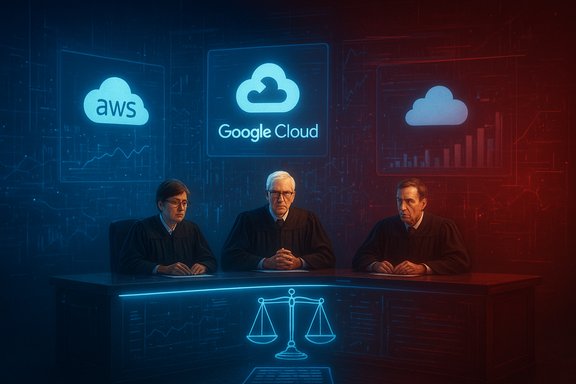
 

Back
Top