

Microsoft unveiled Project Solara at Build 2026 in San Francisco as a cloud-managed, AOSP-based platform for agent-first devices, pairing a lightweight edge operating system called Microsoft Device Ecosystem Platform with Azure-hosted AI agents, enterprise management, and prototype hardware such as a desk hub and wearable badge. The announcement is not just another Copilot demo with a new shell. It is Microsoft’s clearest signal yet that the company sees the next phase of computing as something less like Windows on every desk and more like Azure-mediated intelligence embedded in every workflow.
That should make Windows users both curious and cautious. Solara is exciting because it imagines AI agents escaping the browser tab and the chatbot window, but it is also revealing because Microsoft chose Android’s open-source base, not Windows, as the foundation for this new class of devices. The message is blunt: the future Microsoft wants to sell may still revolve around Windows, but it will not always run Windows.
Project Solara lands at a moment when Microsoft has spent years trying to turn Copilot from a sidebar into a platform. The company has already pushed AI into Windows, Microsoft 365, GitHub, Edge, Teams, Azure, and developer tooling. Solara takes that same ambition and asks what happens when the primary interface is no longer an app, a desktop, or even a phone screen.
The answer Microsoft is sketching is an agent-first device. Instead of launching Outlook, opening a dashboard, checking Teams, and copying data between systems, a user asks for an outcome. The device supplies identity, sensors, context, and access. The agent supplies orchestration.
That sounds like the standard AI pitch, but the hardware angle matters. Microsoft is not merely saying that AI agents will live inside existing PCs. It is proposing a new category of devices that act as physical portals into cloud-hosted agents, with just enough local operating system to handle input, security, display, identity, and management.
For enterprise IT, that is the real story. Solara is not a consumer gadget platform first. It is a workplace platform aimed at badges, hubs, kiosks, task-specific companions, field devices, and other hardware that can be centrally governed without asking every employee to carry a full PC.
Windows is powerful, familiar, and deeply entrenched, but it is also heavy for many of the form factors Solara targets. A wearable badge, a desk companion, or a small sensor-rich workplace device does not need the Win32 legacy stack. It needs low power draw, fast wake, mobile-class drivers, modern security primitives, and hardware partner flexibility.
AOSP gives Microsoft a base that already fits that world. It is portable across low-power Arm hardware, familiar to device makers, and mature enough to support cameras, touch, sensors, radios, biometrics, and display surfaces without dragging a full desktop operating system behind it. By wrapping that base in Microsoft management, identity, security, and cloud services, the company gets the device footprint it wants without surrendering the enterprise control plane.
Still, the optics matter. Microsoft has spent the Copilot+ PC era arguing that Windows is the natural home for local AI. Solara says there are plenty of AI-first experiences for which Windows is not the natural home at all. That is not a betrayal of Windows; it is an admission that the PC is no longer the only battlefield that matters.
That distinction is more than branding. Traditional operating systems assume the user chooses an app, navigates a menu, opens a file, and performs a task. Agent-first systems assume the user expresses intent, while software decides which services, data sources, permissions, and workflows are needed to fulfill it.
Microsoft has been moving toward this model across its product line. Copilot Studio, Microsoft 365 agents, Azure AI Foundry, GitHub Copilot, and Windows AI APIs all point in the same direction. Solara gives that model a physical endpoint.
In Microsoft’s vision, the device becomes less important than the continuity of the agent. A desk hub, a badge, a wall display, or a monitor-connected cloud Windows session are not separate computing worlds. They are surfaces through which the same identity, permissions, data, and agents follow the user.
That is compelling, but it also centralizes enormous power in Microsoft’s cloud. The more the shell abstracts away apps, the more the platform owner decides how intent becomes action. For users, that can feel magical. For administrators, auditors, and regulators, it creates a new layer of dependency that will need careful inspection.
The desk hub is the easier product to understand. It can recognize the user, surface relevant updates, and act as a personal workplace display. When connected to a monitor, it can shift into a cloud Windows experience, turning a lightweight endpoint into a bridge to a fuller desktop environment.
The badge is more provocative. A wearable agent device suggests scenarios in healthcare, retail, logistics, manufacturing, hospitality, and field service. The value proposition is obvious: workers who do not sit at desks could interact with enterprise systems through voice, context, scans, images, and identity rather than through fragile shared terminals or personal phones.
This is where Microsoft’s enterprise instincts show. The company is not trying to make another smartphone. It is trying to make AI endpoints for jobs where smartphones are awkward, PCs are impractical, and legacy handhelds are underpowered or unpleasant.
But those same scenarios are where privacy and labor concerns become sharpest. A badge with cameras, microphones, biometrics, location context, and AI-mediated workflow access is not just a productivity tool. It is also a potential workplace surveillance device unless policies, retention limits, audit trails, and user expectations are defined with unusual clarity.
This is consistent with Microsoft’s broader business. The company’s highest-value platform is no longer Windows licensing in isolation; it is the bundle of Azure, Microsoft 365, Entra ID, Intune, Defender, Purview, GitHub, and Copilot services that surround modern work. Solara extends that bundle into hardware categories where Windows is optional.
For IT departments, that could simplify management. If Solara devices enroll through familiar Microsoft tooling, respect Entra identity, report into Defender, and obey Intune policy, they may be easier to absorb than a fleet of bespoke Android devices, unmanaged IoT endpoints, or vendor-specific smart displays. The appeal is not that the devices are radically new. The appeal is that they may be governable from the same console stack administrators already use.
For Microsoft, the business logic is even cleaner. Every Solara device becomes another managed endpoint, another Azure workload, another Copilot surface, and another reason for enterprises to keep Microsoft as their identity and productivity backbone. Hardware partners can build the gadgets. Microsoft keeps the control plane.
That division of labor is classic platform strategy. Microsoft does not need to win by manufacturing every device. It needs to define the architecture that makes third-party devices useful, secure, and tied to its cloud.
The cloud Windows handoff shown with the desk hub is especially telling. Microsoft is not imagining that a Solara desk device replaces the Windows desktop in every case. It is imagining that the lightweight device can become a doorway into Windows when the task requires it.
That makes Windows more of a service endpoint than a default local substrate. In some scenarios, users may touch a Solara device first and only enter Windows when a full desktop session is needed. In others, Windows PCs will remain primary, with Solara devices acting as peripheral agent surfaces in the room, on the body, or at the edge of a workflow.
This is not unprecedented. Windows has already become more cloud-connected through Windows 365, Azure Virtual Desktop, Intune, and Microsoft Account integration. Solara pushes the same idea further: the operating system that matters may be whichever layer can authenticate the user, invoke the right agent, enforce policy, and deliver the task.
For Windows traditionalists, that is an uncomfortable evolution. For Microsoft, it is insurance. If the next wave of computing happens on small AI devices, workplace endpoints, and cloud-connected surfaces, the company wants to own the agent layer even when the local kernel is not Windows.
Agents promise to collapse those rituals. A warehouse worker should not need to understand the structure of an inventory system to report an exception. A nurse should not need to tap through five screens to retrieve relevant patient context. A retail associate should not need a full workstation to answer a stock or order question.
This is the optimistic case for Solara. If agent-first devices can reduce friction in real jobs, they could be more meaningful than another AI button on a laptop keyboard. The best version of the platform is not a toy that chats; it is a controlled, auditable shortcut through enterprise complexity.
The hard part is that apps became dominant for reasons agents cannot wish away. Apps provide boundaries, predictable interfaces, permission models, and user expectations. Agents blur those boundaries by design. They must understand intent, access data, call tools, and sometimes act across systems.
That creates a new trust burden. Users need to know when an agent is suggesting, when it is acting, what data it used, and how to reverse or audit the outcome. If Solara hides too much behind natural language, it risks replacing app friction with agent opacity.
The questions administrators will ask are predictable. How are devices enrolled and attested? How are OS updates delivered? What telemetry is collected? Which agents can run? Where is data processed? What happens when a device is lost, stolen, shared, or reassigned? How are biometric sign-ins stored and governed? Can agents be restricted by role, geography, device posture, and data classification?
Those are not implementation details. They are the product. In regulated environments, an AI badge that can retrieve sensitive data is acceptable only if identity, authorization, logging, retention, and policy enforcement are stronger than the manual process it replaces.
Microsoft has an advantage because its enterprise stack already speaks this language. Entra ID, Intune, Defender, Purview, Conditional Access, and Azure policy mechanisms give the company building blocks that many device startups lack. Solara’s success will depend on whether those controls feel native and complete rather than bolted onto a flashy demo.
The risk is that the agent layer becomes a new attack surface before the governance model matures. Prompt injection, tool misuse, excessive permissions, compromised devices, rogue workflows, and overbroad data access are not theoretical concerns. They are the security vocabulary of the agent era.
The opportunity is obvious. If Solara becomes a real ecosystem, software vendors could expose business functions as agent-callable tools that work across multiple physical endpoints. A logistics system, clinical records platform, retail inventory service, or facilities management suite could become part of an agent workflow without requiring every worker to use the full application UI.
But the market is embryonic. The reference devices are concepts, Microsoft has not turned Solara into a mainstream commercial device lineup, and the economics for hardware partners remain unproven. Developers have heard this story before: a new Microsoft platform, an ambitious interface model, a promise of ecosystem momentum, and uncertain follow-through.
The difference this time is that Solara does not need consumer scale immediately. It can grow through vertical deployments where the buyer is an enterprise and the use case is narrow. A hospital, retailer, warehouse operator, or field service company does not need millions of apps. It needs a few reliable workflows that save time, reduce errors, and pass compliance review.
That makes Solara less like Windows Phone and more like a managed endpoint platform for AI-era business devices. The success metric is not app-store glamour. It is whether Microsoft and partners can solve boring, expensive workflow problems better than rugged Android handhelds, shared PCs, tablets, or custom IoT hardware.
But the familiar Microsoft catch is lock-in by architecture. Solara’s value comes from the cloud identity layer, the management layer, the agent layer, and the integration with Microsoft services. That is precisely what makes it useful to enterprises, and precisely what makes it hard to treat as neutral infrastructure.
The company will likely describe this as openness: multiple agents, partner devices, Android-derived foundations, and cloud extensibility. In practice, the center of gravity is still Microsoft’s stack. The more valuable the platform becomes, the more customers may find themselves designing workplace processes around Azure-hosted agents and Microsoft governance assumptions.
That is not automatically bad. Enterprises often choose integrated platforms because fragmented ones are worse. But it does mean Solara should be evaluated as a strategic dependency, not merely as a clever device platform.
If Solara devices save five seconds on a task that happens twice a day, they will become shelfware. If they save minutes on tasks that happen hundreds of times per shift, while improving auditability and reducing training burden, they become infrastructure. That is the dividing line.
The platform also needs restraint. An agent-first device should not become another notification surface, another surveillance vector, or another half-working assistant that requires employees to double-check everything. The best agent device may be one that does less than the demo suggests, but does it reliably, securely, and with clear accountability.
Microsoft’s challenge is to prove that Solara is more than a hardware-shaped advertisement for Azure AI. The company has the cloud, the identity stack, the enterprise relationships, and the developer story. What it still needs is evidence that agent-first devices can survive contact with messy workplaces.
That should make Windows users both curious and cautious. Solara is exciting because it imagines AI agents escaping the browser tab and the chatbot window, but it is also revealing because Microsoft chose Android’s open-source base, not Windows, as the foundation for this new class of devices. The message is blunt: the future Microsoft wants to sell may still revolve around Windows, but it will not always run Windows.
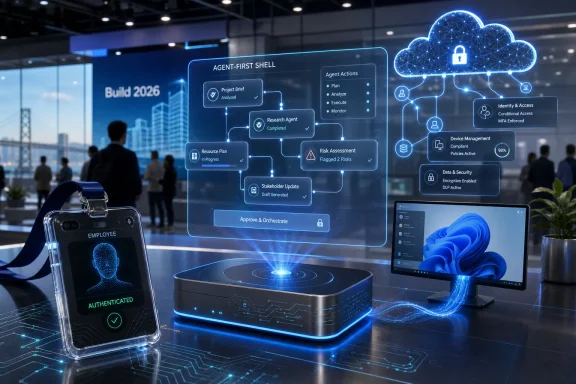 Microsoft Moves the Center of Gravity Away From the PC
Project Solara lands at a moment when Microsoft has spent years trying to turn Copilot from a sidebar into a platform. The company has already pushed AI into Windows, Microsoft 365, GitHub, Edge, Teams, Azure, and developer tooling. Solara takes that same ambition and asks what happens when the primary interface is no longer an app, a desktop, or even a phone screen.The answer Microsoft is sketching is an agent-first device. Instead of launching Outlook, opening a dashboard, checking Teams, and copying data between systems, a user asks for an outcome. The device supplies identity, sensors, context, and access. The agent supplies orchestration.
That sounds like the standard AI pitch, but the hardware angle matters. Microsoft is not merely saying that AI agents will live inside existing PCs. It is proposing a new category of devices that act as physical portals into cloud-hosted agents, with just enough local operating system to handle input, security, display, identity, and management.
For enterprise IT, that is the real story. Solara is not a consumer gadget platform first. It is a workplace platform aimed at badges, hubs, kiosks, task-specific companions, field devices, and other hardware that can be centrally governed without asking every employee to carry a full PC.
Android Is the Practical Choice Microsoft Would Rather Not Emphasize
The most striking technical fact about Project Solara is that it is not Windows. Microsoft Device Ecosystem Platform, or MDEP, is built on the Android Open Source Project. That choice is practical, but it also cuts against decades of Microsoft instinct.Windows is powerful, familiar, and deeply entrenched, but it is also heavy for many of the form factors Solara targets. A wearable badge, a desk companion, or a small sensor-rich workplace device does not need the Win32 legacy stack. It needs low power draw, fast wake, mobile-class drivers, modern security primitives, and hardware partner flexibility.
AOSP gives Microsoft a base that already fits that world. It is portable across low-power Arm hardware, familiar to device makers, and mature enough to support cameras, touch, sensors, radios, biometrics, and display surfaces without dragging a full desktop operating system behind it. By wrapping that base in Microsoft management, identity, security, and cloud services, the company gets the device footprint it wants without surrendering the enterprise control plane.
Still, the optics matter. Microsoft has spent the Copilot+ PC era arguing that Windows is the natural home for local AI. Solara says there are plenty of AI-first experiences for which Windows is not the natural home at all. That is not a betrayal of Windows; it is an admission that the PC is no longer the only battlefield that matters.
The Agent Shell Is the Operating System Microsoft Actually Cares About
Solara’s most important component may not be MDEP itself. It is the layer above it: the agent shell that brokers interaction between the user, the device, and cloud-hosted AI services. If Windows was historically the place where applications ran, Solara is designed around the idea that agents are the thing users experience.That distinction is more than branding. Traditional operating systems assume the user chooses an app, navigates a menu, opens a file, and performs a task. Agent-first systems assume the user expresses intent, while software decides which services, data sources, permissions, and workflows are needed to fulfill it.
Microsoft has been moving toward this model across its product line. Copilot Studio, Microsoft 365 agents, Azure AI Foundry, GitHub Copilot, and Windows AI APIs all point in the same direction. Solara gives that model a physical endpoint.
In Microsoft’s vision, the device becomes less important than the continuity of the agent. A desk hub, a badge, a wall display, or a monitor-connected cloud Windows session are not separate computing worlds. They are surfaces through which the same identity, permissions, data, and agents follow the user.
That is compelling, but it also centralizes enormous power in Microsoft’s cloud. The more the shell abstracts away apps, the more the platform owner decides how intent becomes action. For users, that can feel magical. For administrators, auditors, and regulators, it creates a new layer of dependency that will need careful inspection.
The Reference Devices Are a Pitch to Employers, Not Gadget Fans
The two Solara reference devices shown at Build make the target market obvious. One is a desk-style smart hub, roughly in the family of smart displays and workplace companions. The other is a wearable employee badge, closer to a task and identity device than a general-purpose computer.The desk hub is the easier product to understand. It can recognize the user, surface relevant updates, and act as a personal workplace display. When connected to a monitor, it can shift into a cloud Windows experience, turning a lightweight endpoint into a bridge to a fuller desktop environment.
The badge is more provocative. A wearable agent device suggests scenarios in healthcare, retail, logistics, manufacturing, hospitality, and field service. The value proposition is obvious: workers who do not sit at desks could interact with enterprise systems through voice, context, scans, images, and identity rather than through fragile shared terminals or personal phones.
This is where Microsoft’s enterprise instincts show. The company is not trying to make another smartphone. It is trying to make AI endpoints for jobs where smartphones are awkward, PCs are impractical, and legacy handhelds are underpowered or unpleasant.
But those same scenarios are where privacy and labor concerns become sharpest. A badge with cameras, microphones, biometrics, location context, and AI-mediated workflow access is not just a productivity tool. It is also a potential workplace surveillance device unless policies, retention limits, audit trails, and user expectations are defined with unusual clarity.
Azure Becomes the Real Device Platform
Project Solara is described as chip-to-cloud, and that phrase should be read literally. The local device provides the physical interface, but the intelligence lives largely in Azure. That means Solara is not best understood as an operating system announcement. It is an Azure endpoint strategy.This is consistent with Microsoft’s broader business. The company’s highest-value platform is no longer Windows licensing in isolation; it is the bundle of Azure, Microsoft 365, Entra ID, Intune, Defender, Purview, GitHub, and Copilot services that surround modern work. Solara extends that bundle into hardware categories where Windows is optional.
For IT departments, that could simplify management. If Solara devices enroll through familiar Microsoft tooling, respect Entra identity, report into Defender, and obey Intune policy, they may be easier to absorb than a fleet of bespoke Android devices, unmanaged IoT endpoints, or vendor-specific smart displays. The appeal is not that the devices are radically new. The appeal is that they may be governable from the same console stack administrators already use.
For Microsoft, the business logic is even cleaner. Every Solara device becomes another managed endpoint, another Azure workload, another Copilot surface, and another reason for enterprises to keep Microsoft as their identity and productivity backbone. Hardware partners can build the gadgets. Microsoft keeps the control plane.
That division of labor is classic platform strategy. Microsoft does not need to win by manufacturing every device. It needs to define the architecture that makes third-party devices useful, secure, and tied to its cloud.
Windows Is Not Replaced; It Is Repositioned
The obvious question for WindowsForum readers is whether Solara is a threat to Windows. The better answer is that it changes Windows’ job. Windows remains the general-purpose productivity environment, developer workstation, gaming platform, and compatibility layer for decades of software. Solara is for the spaces where that inheritance is more burden than benefit.The cloud Windows handoff shown with the desk hub is especially telling. Microsoft is not imagining that a Solara desk device replaces the Windows desktop in every case. It is imagining that the lightweight device can become a doorway into Windows when the task requires it.
That makes Windows more of a service endpoint than a default local substrate. In some scenarios, users may touch a Solara device first and only enter Windows when a full desktop session is needed. In others, Windows PCs will remain primary, with Solara devices acting as peripheral agent surfaces in the room, on the body, or at the edge of a workflow.
This is not unprecedented. Windows has already become more cloud-connected through Windows 365, Azure Virtual Desktop, Intune, and Microsoft Account integration. Solara pushes the same idea further: the operating system that matters may be whichever layer can authenticate the user, invoke the right agent, enforce policy, and deliver the task.
For Windows traditionalists, that is an uncomfortable evolution. For Microsoft, it is insurance. If the next wave of computing happens on small AI devices, workplace endpoints, and cloud-connected surfaces, the company wants to own the agent layer even when the local kernel is not Windows.
The App Model Is the Target
Microsoft’s rhetoric around Solara fits a larger industry impatience with apps. Apps are powerful, but they are also fragmented containers of intent. Users know what they want to accomplish, yet they must constantly translate those goals into app-specific rituals: open this, search that, copy here, approve there, export, attach, send.Agents promise to collapse those rituals. A warehouse worker should not need to understand the structure of an inventory system to report an exception. A nurse should not need to tap through five screens to retrieve relevant patient context. A retail associate should not need a full workstation to answer a stock or order question.
This is the optimistic case for Solara. If agent-first devices can reduce friction in real jobs, they could be more meaningful than another AI button on a laptop keyboard. The best version of the platform is not a toy that chats; it is a controlled, auditable shortcut through enterprise complexity.
The hard part is that apps became dominant for reasons agents cannot wish away. Apps provide boundaries, predictable interfaces, permission models, and user expectations. Agents blur those boundaries by design. They must understand intent, access data, call tools, and sometimes act across systems.
That creates a new trust burden. Users need to know when an agent is suggesting, when it is acting, what data it used, and how to reverse or audit the outcome. If Solara hides too much behind natural language, it risks replacing app friction with agent opacity.
Security Is the Feature That Will Decide Whether IT Says Yes
Microsoft knows Solara will live or die by manageability. The company is framing MDEP as enterprise-grade, with centralized controls and a security posture suitable for deployment at scale. That is the right pitch, because no serious IT organization wants a fleet of AI-enabled cameras and microphones that behave like consumer smart speakers.The questions administrators will ask are predictable. How are devices enrolled and attested? How are OS updates delivered? What telemetry is collected? Which agents can run? Where is data processed? What happens when a device is lost, stolen, shared, or reassigned? How are biometric sign-ins stored and governed? Can agents be restricted by role, geography, device posture, and data classification?
Those are not implementation details. They are the product. In regulated environments, an AI badge that can retrieve sensitive data is acceptable only if identity, authorization, logging, retention, and policy enforcement are stronger than the manual process it replaces.
Microsoft has an advantage because its enterprise stack already speaks this language. Entra ID, Intune, Defender, Purview, Conditional Access, and Azure policy mechanisms give the company building blocks that many device startups lack. Solara’s success will depend on whether those controls feel native and complete rather than bolted onto a flashy demo.
The risk is that the agent layer becomes a new attack surface before the governance model matures. Prompt injection, tool misuse, excessive permissions, compromised devices, rogue workflows, and overbroad data access are not theoretical concerns. They are the security vocabulary of the agent era.
Developers Get a New Surface, but Not Yet a Mature Market
For developers, Solara is both intriguing and vague. Microsoft is not just asking developers to write apps for a new device class. It is asking them to think in terms of agents, tools, context, and adaptive interfaces. That requires a different mental model from building a Windows desktop app or a mobile app.The opportunity is obvious. If Solara becomes a real ecosystem, software vendors could expose business functions as agent-callable tools that work across multiple physical endpoints. A logistics system, clinical records platform, retail inventory service, or facilities management suite could become part of an agent workflow without requiring every worker to use the full application UI.
But the market is embryonic. The reference devices are concepts, Microsoft has not turned Solara into a mainstream commercial device lineup, and the economics for hardware partners remain unproven. Developers have heard this story before: a new Microsoft platform, an ambitious interface model, a promise of ecosystem momentum, and uncertain follow-through.
The difference this time is that Solara does not need consumer scale immediately. It can grow through vertical deployments where the buyer is an enterprise and the use case is narrow. A hospital, retailer, warehouse operator, or field service company does not need millions of apps. It needs a few reliable workflows that save time, reduce errors, and pass compliance review.
That makes Solara less like Windows Phone and more like a managed endpoint platform for AI-era business devices. The success metric is not app-store glamour. It is whether Microsoft and partners can solve boring, expensive workflow problems better than rugged Android handhelds, shared PCs, tablets, or custom IoT hardware.
The Bold Vision Still Has a Familiar Microsoft Catch
Project Solara is bold because it admits that the next computer may not look like a computer. It may be a badge, a puck, a desk screen, a room device, or a cheap managed endpoint that wakes an agent when needed. Microsoft deserves credit for pushing beyond the reflexive assumption that all AI experiences should be trapped inside the PC.But the familiar Microsoft catch is lock-in by architecture. Solara’s value comes from the cloud identity layer, the management layer, the agent layer, and the integration with Microsoft services. That is precisely what makes it useful to enterprises, and precisely what makes it hard to treat as neutral infrastructure.
The company will likely describe this as openness: multiple agents, partner devices, Android-derived foundations, and cloud extensibility. In practice, the center of gravity is still Microsoft’s stack. The more valuable the platform becomes, the more customers may find themselves designing workplace processes around Azure-hosted agents and Microsoft governance assumptions.
That is not automatically bad. Enterprises often choose integrated platforms because fragmented ones are worse. But it does mean Solara should be evaluated as a strategic dependency, not merely as a clever device platform.
The Solara Bet Comes Down to Workflows, Not Wonder
The most useful way to judge Project Solara is to ignore the sci-fi sheen and ask whether it can remove real workplace friction. Microsoft’s demos are designed to make agent devices feel inevitable, but inevitability in enterprise technology is earned slowly, through procurement cycles, pilot programs, compliance reviews, and support tickets.If Solara devices save five seconds on a task that happens twice a day, they will become shelfware. If they save minutes on tasks that happen hundreds of times per shift, while improving auditability and reducing training burden, they become infrastructure. That is the dividing line.
The platform also needs restraint. An agent-first device should not become another notification surface, another surveillance vector, or another half-working assistant that requires employees to double-check everything. The best agent device may be one that does less than the demo suggests, but does it reliably, securely, and with clear accountability.
Microsoft’s challenge is to prove that Solara is more than a hardware-shaped advertisement for Azure AI. The company has the cloud, the identity stack, the enterprise relationships, and the developer story. What it still needs is evidence that agent-first devices can survive contact with messy workplaces.
What Solara Really Tells Windows Shops This Week
Project Solara is early, but it is not vapor in the way concept videos often are. It reflects a serious architectural direction inside Microsoft, and Windows administrators should read it as a preview of where endpoint strategy is going.- Microsoft is treating AI agents as a platform layer that can sit above Windows, Android-derived systems, and cloud desktops.
- MDEP’s AOSP base shows that Microsoft will choose the operating system substrate that fits the device, even when that substrate is not Windows.
- Solara’s first natural customers are likely to be enterprises with frontline, clinical, retail, logistics, or field-service workflows rather than ordinary consumers.
- The security and management story will matter more than the hardware design, because agent devices need identity, policy, audit, and remote control from day one.
- Windows remains central, but increasingly as one endpoint in a broader Microsoft cloud-and-agent ecosystem rather than the default answer to every computing problem.
- The platform’s promise depends on whether agents can perform narrow, high-value tasks reliably enough to beat existing apps, handhelds, kiosks, and shared PCs.
References
- Primary source: Dailyhunt
Published: 2026-06-07T15:30:11.532675

Microsoft Project Solara delivers bold new AI agent future
Microsoft Project Solara is Microsoft's ambitious new operating system built specifically for gadgets that run AI agents instead of traditional apps. m.dailyhunt.in
- Related coverage: windowscentral.com
- Related coverage: techradar.com

Microsoft’s Project Solara looks to break AI out of the PC and into the real world
Project Solara is giving AI agents a taste of freedom, and could bring them to every part of your life.www.techradar.com
- Related coverage: tomsguide.com
- Related coverage: tomshardware.com
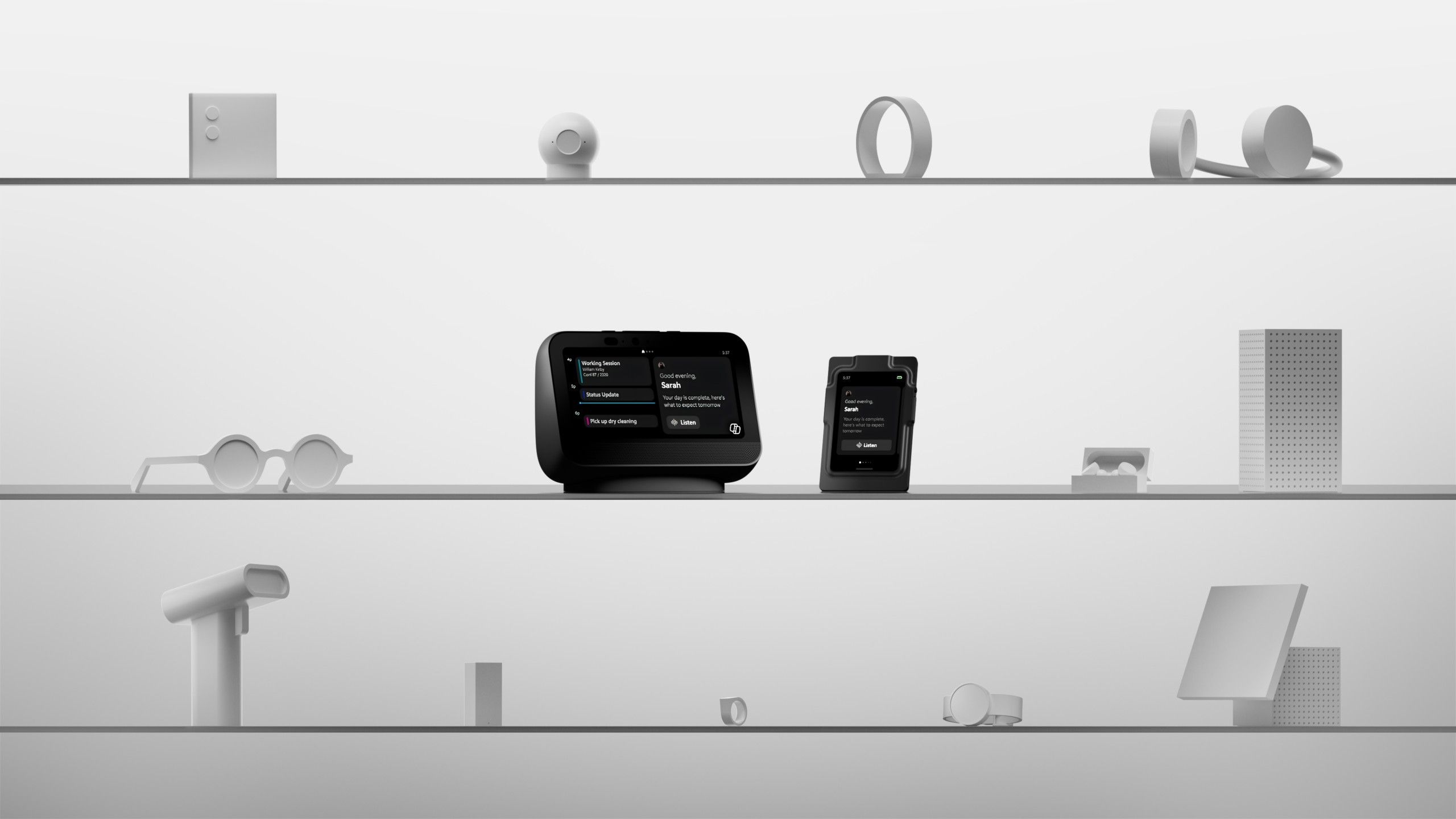
Microsoft unveils Project Solara AI, a chip-to-cloud platform built to power a new generation of 'agent-first' enterprise devices — hardware designed to run AI agents instead of traditional apps
Microsoft ditches Windows to build OS on Androidwww.tomshardware.com
- Official source: commandline.microsoft.com

Composing a new platform for agent-first devices - Command Line
New interaction technology enables new types of computers. Learn more about Microsoft’s Project Solara. commandline.microsoft.com
- Related coverage: livemint.com

Meet Project Solara: Microsoft unveils Android powered OS for running agentic AI | Mint
Microsoft introduced ‘Project Solara’, a new OS based on Android for AI agent-driven experiences. The company also unveiled two concept devices that could power the OS. www.livemint.com
- Related coverage: arstechnica.com
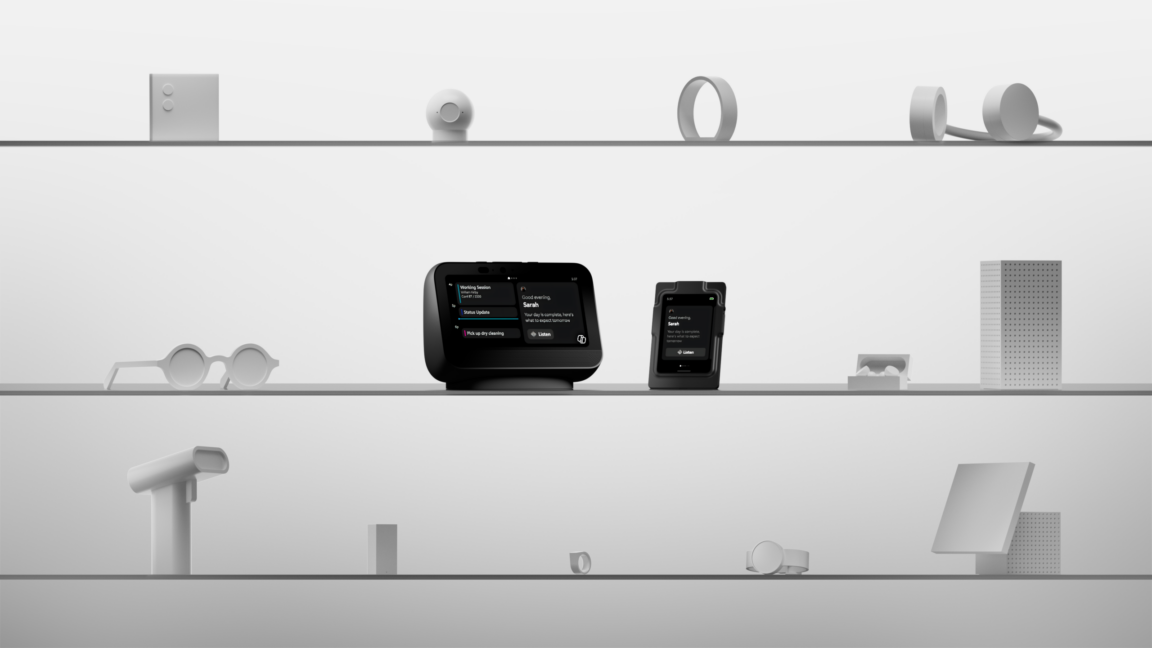
Microsoft's Project Solara is an Android OS designed for agents instead of apps
Microsoft missed the boat on apps, so get ready for agents. arstechnica.com
- Official source: news.microsoft.com

Microsoft Build en directo
El lugar donde seguir en tiempo real las últimas noticias a medida que se anuncien desde el Microsoft Build, los días 2 y 3 de junio de 2026. news.microsoft.com
- Related coverage: techbriefly.com
- Related coverage: gigazine.net

Microsoft has announced 'Project Solara,' a new platform for AI agent-dedicated devices, creating an agent-centric system using an Android-based OS rather than Windows.
At its developer event, ' Microsoft Build 2026, ' held in San Francisco, USA on June 2, 2026, Microsoft announced ' Project Solara, ' a new device platform that operates primarily with AI agents. Microsoft positions Project Solara not merely as an OS, but as a 'chip-to-cloud' platform spanning... gigazine.net
- Related coverage: techmymoney.com

Microsoft Project Solara Is Built for Agent-First Devices
Microsoft Project Solara is a Build 2026 platform for agent-first devices, starting with enterprise desk and badge concepts. techmymoney.com
- Related coverage: technews.tw

微軟啟動「AI 代理優先」平台專案,聯發科、高通操刀概念產品
在一年一度 Build 2026 開發者大會上,微軟揭曉對於未來 AI 所抱持的願景,推出專為「代理程式優先」(agent-first)新時代打造的全新裝置生態系統平台,它的核心理念不再侷限於單一硬體外型,而是創造一個能將 AI Agent 延伸至各種裝置的作業系統,讓運算能力和 AI Agent ...technews.tw
- Related coverage: smhn.info
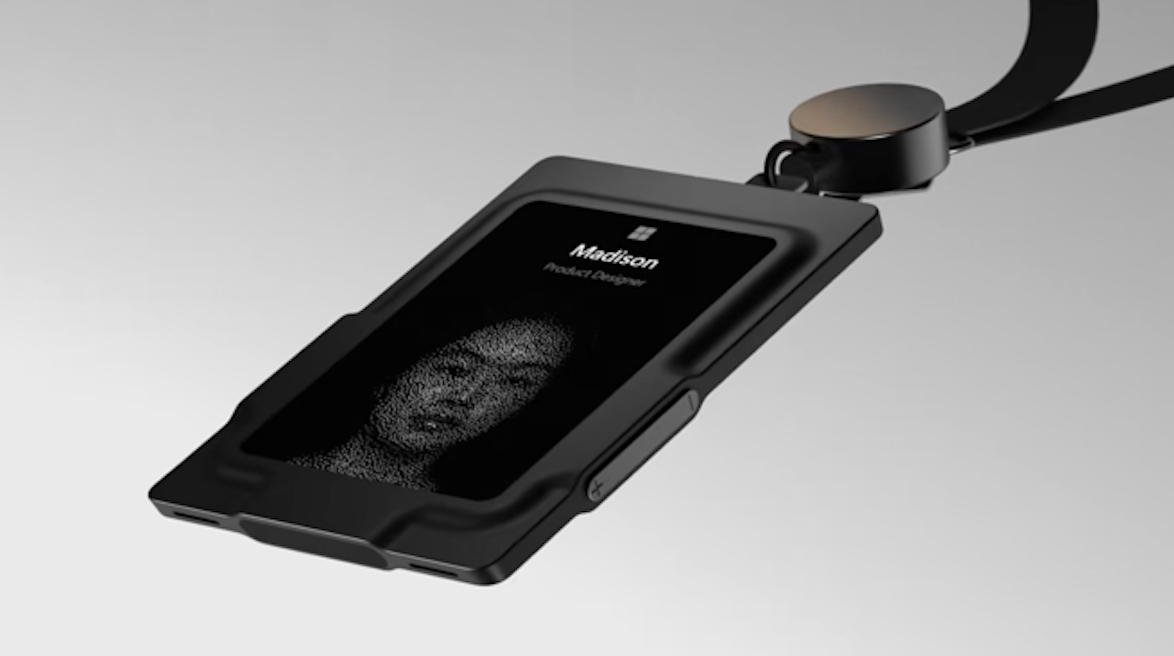
カード型AIデバイス!マイクロソフトがAndroid OSベース新基盤、AIエージェント端末向け「Project Solara」発表 - すまほん!!
アプリを探す日常は終わるのか。Microsoftは現地時間6月2日、開発者会議「Build 2026」で、AIエージェント向けの新しいデバイス基盤「Project Solara」を発表しました。狙いは明快で、同社は次のプラットフォーム転換を「apps to agents(開くソフ... smhn.info
- Related coverage: zeronoise.ai
- Official source: download.microsoft.com
