Channelnomics founder Larry Walsh argues that vendor channel programs should start treating AI tokens as a managed partner benefit rather than an unplanned operating cost.
In a July 13 analysis, Walsh compares the emerging economics of generative AI to streaming services, where providers have repeatedly adjusted subscription tiers, limits and pricing as content and infrastructure costs changed. The channel equivalent, he says, is the growing use of AI agents, copilots and automated workflows inside partner portals, sales systems and service-delivery tools.
Each interaction with a large language model consumes tokens, creating usage-based costs that can be difficult for vendors to predict. As AI is embedded in tasks such as opportunity qualification, proposal creation, reporting, customer support and partner enablement, those costs can climb quickly across a reseller or distributor base.
Walsh’s proposal is to make token allocations part of the channel-program toolkit. Partners could receive additional AI usage based on measurable activity, including revenue growth, new customer wins, renewals, qualified pipeline or account expansion.
That would turn AI access into a performance incentive alongside traditional partner benefits such as discounts, rebates and market development funds. Rather than providing only cash-based rewards, a vendor could offer a mix of margin and AI capacity intended to help a partner sell, quote, market and support customers more efficiently.
The idea is not that tokens are free. Vendors would still pay model and infrastructure costs. But they could tie the cost to partner production, potentially funding allocations from existing MDF budgets, dedicated AI enablement funds or contra-revenue programs similar to rebates.
AI usage can be tracked more directly: by partner, user, application and workflow. A vendor could determine whether token-funded tools are being used, which activities consume the most capacity, and whether usage correlates with faster sales cycles, more pipeline, higher renewal rates or increased revenue.
For Windows-focused vendors and managed service providers, that could mean packaging AI capacity into partner portals, sales-assistant tools, service desk automation or customer-success workflows. The allocation should be tied to a defined business outcome, not simply handed out as an unlimited perk.
The immediate takeaway is straightforward: vendors adding AI to partner operations should budget for token usage as deliberately as they budget for discounts and MDF, then measure whether the resulting productivity justifies the spend.
In a July 13 analysis, Walsh compares the emerging economics of generative AI to streaming services, where providers have repeatedly adjusted subscription tiers, limits and pricing as content and infrastructure costs changed. The channel equivalent, he says, is the growing use of AI agents, copilots and automated workflows inside partner portals, sales systems and service-delivery tools.
Each interaction with a large language model consumes tokens, creating usage-based costs that can be difficult for vendors to predict. As AI is embedded in tasks such as opportunity qualification, proposal creation, reporting, customer support and partner enablement, those costs can climb quickly across a reseller or distributor base.
 Tokens as a channel incentive
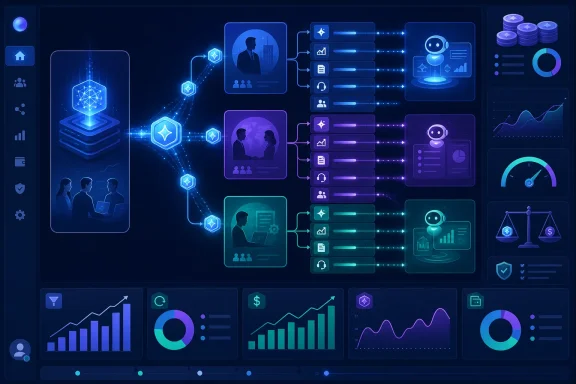
Walsh’s proposal is to make token allocations part of the channel-program toolkit. Partners could receive additional AI usage based on measurable activity, including revenue growth, new customer wins, renewals, qualified pipeline or account expansion.That would turn AI access into a performance incentive alongside traditional partner benefits such as discounts, rebates and market development funds. Rather than providing only cash-based rewards, a vendor could offer a mix of margin and AI capacity intended to help a partner sell, quote, market and support customers more efficiently.
The idea is not that tokens are free. Vendors would still pay model and infrastructure costs. But they could tie the cost to partner production, potentially funding allocations from existing MDF budgets, dedicated AI enablement funds or contra-revenue programs similar to rebates.
A more measurable form of MDF
The strongest practical case is likely around MDF. Traditional MDF often pays for campaigns, events and lead-generation activity, with uneven visibility into whether the spending produced business results.AI usage can be tracked more directly: by partner, user, application and workflow. A vendor could determine whether token-funded tools are being used, which activities consume the most capacity, and whether usage correlates with faster sales cycles, more pipeline, higher renewal rates or increased revenue.
For Windows-focused vendors and managed service providers, that could mean packaging AI capacity into partner portals, sales-assistant tools, service desk automation or customer-success workflows. The allocation should be tied to a defined business outcome, not simply handed out as an unlimited perk.
The catch: pricing will move
Walsh also notes that token economics are unlikely to stay fixed. Model providers continue to invest heavily in infrastructure, while competition, hardware improvements and model efficiency can reduce per-token costs. Channel teams that adopt token incentives will need governance around consumption limits, allocation tiers, reporting and periodic recalibration.The immediate takeaway is straightforward: vendors adding AI to partner operations should budget for token usage as deliberately as they budget for discounts and MDF, then measure whether the resulting productivity justifies the spend.
References
- Primary source: Channelnomics
Published: 2026-07-13T12:45:00+00:00
Every Channel Program Needs an AI Token Strategy
As AI becomes embedded in partner operations, vendors should rethink tokens as benefits, incentives, and MDF investments that drive productivity and measurable business outcomes. www.channelnomics.com