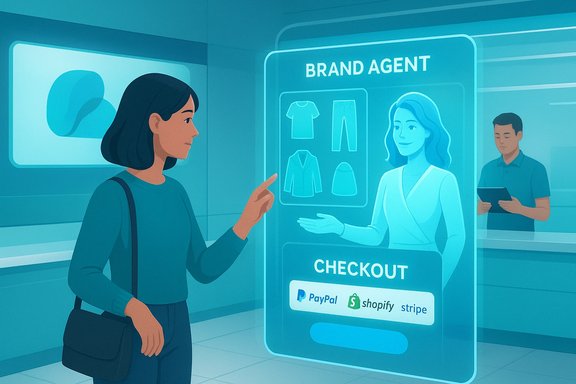
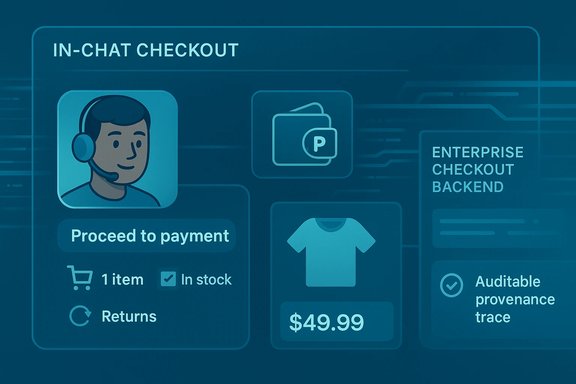
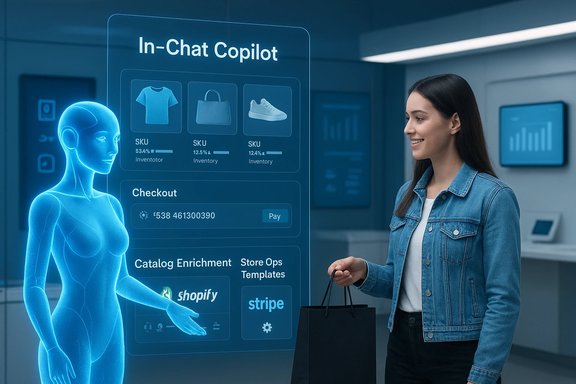
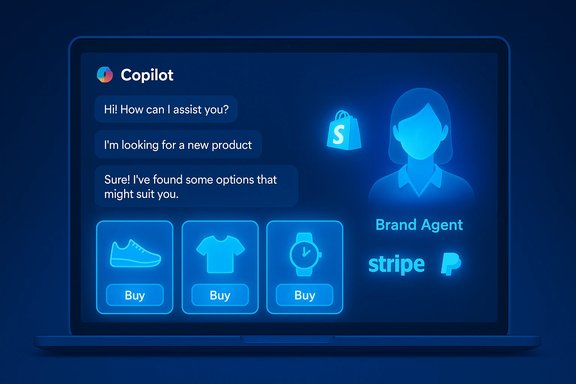
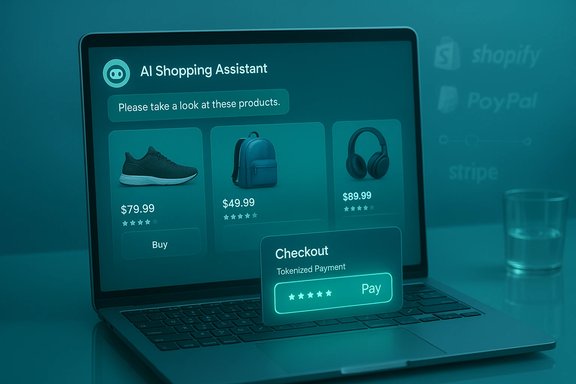
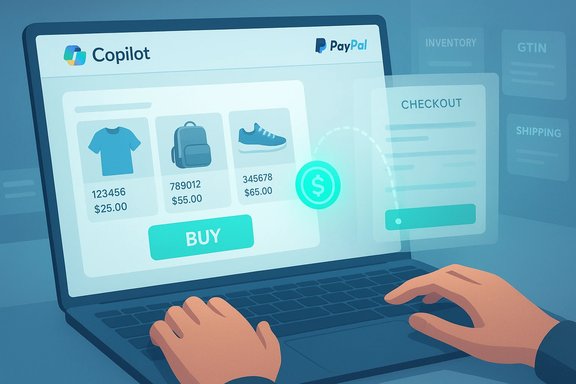
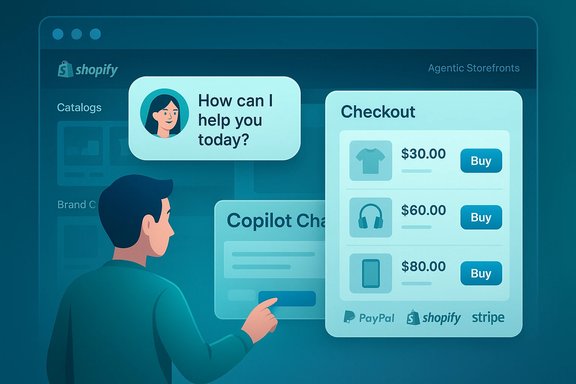
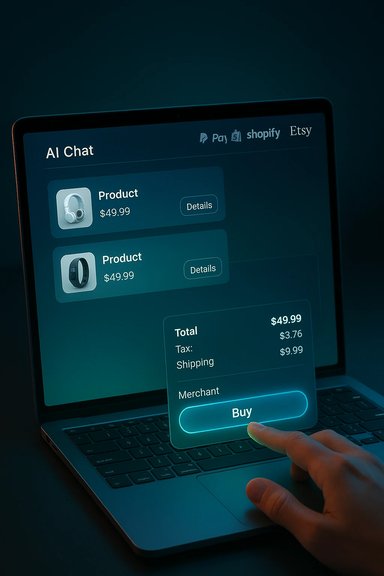
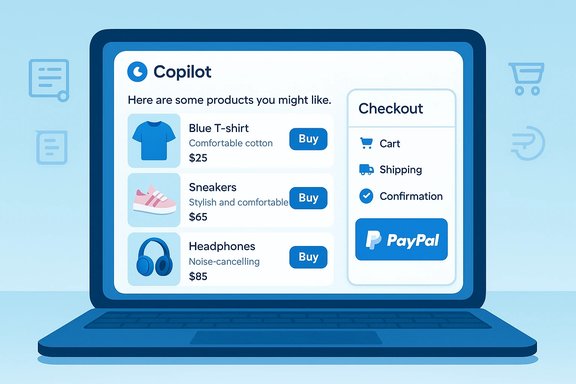
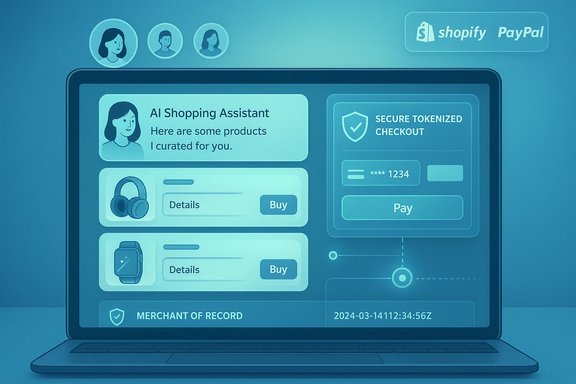
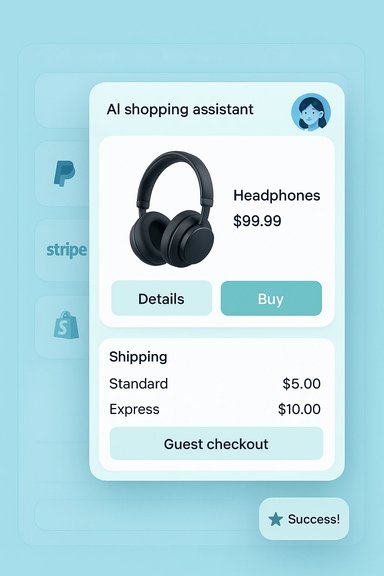
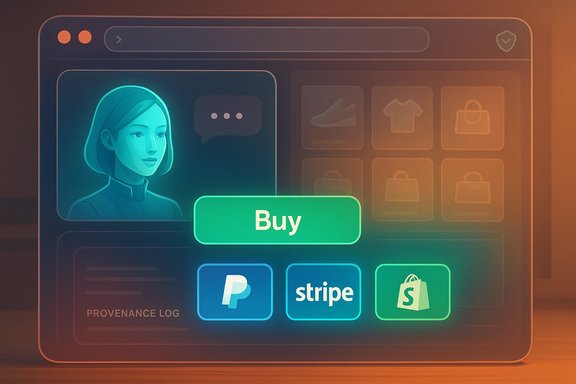
Microsoft has turned its Copilot chat experience into a functioning checkout lane, enabling in-chat purchases through new integrations with Shopify, PayPal and Etsy and rolling out a U.S.-first Copilot Checkout that keeps merchants as the merchant of record while collapsing discovery-to-purchase into a single conversational surface.
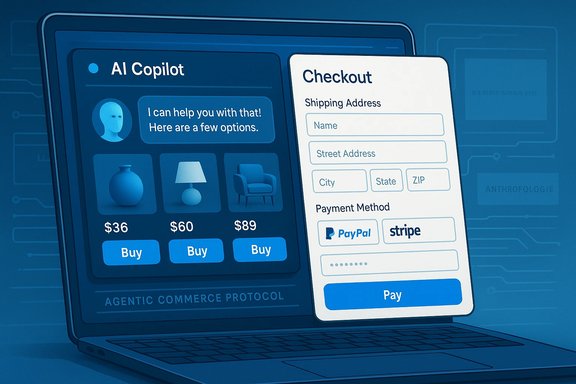
The move marks another decisive step in the industry shift from “links to actions”: rather than finishing a shopping conversation with a link to a merchant page, Copilot can now surface product choices and complete a checkout inside the chat or Copilot app itself. Microsoft positions this capability as Copilot Checkout—a friction-reducing feature that stitches together product discovery, price-tracking, merchant checkout rails and tokenized payments so users can confirm orders without being redirected to traditional storefront pages.
This rollout follows a wave of similar agentic commerce initiatives launched across the ecosystem over the past year, where platforms and commerce providers introduced machine-readable product feeds, delegated-payment primitives and standardized agent-to-merchant protocols. The core technical primitives—structured catalog metadata, ephemeral tokenized payments, and an orchestration/runtime layer that manages multi-step agent flows—are now in active deployment across multiple vendors. Microsoft’s Copilot Checkout leverages those same primitives while relying on partnerships with Shopify, PayPal, Etsy and payments partners such as Stripe to route payments and keep merchants responsible for fulfillment and returns.
The promise is tangible: faster conversions, fewer tabs, and a more personal “concierge” experience inside a tool many people already use for answers. But the emergence of agentic checkout also raises immediate questions about privacy, merchant control, dispute handling, discoverability, and platform economics. This feature is as much a technical integration challenge as it is a strategic shift in where control and value accrue in the shopping stack.
Key distinctions to watch:
Yet the change is not only technical; it's strategic. The platform that hosts the shopping surface gains disproportionate influence: it shapes discoverability, defines dispute narratives, and controls the new measurement primitives that will guide merchants’ optimization strategies. That concentration of influence invites scrutiny from merchants, consumers and regulators alike.
The net outcome will depend on execution: do platforms implement robust privacy defaults, transparent ranking rules, auditable provenance of agent actions and reliable tokenized payment flows? Or will convenience outpace governance, creating friction for consumers and burdens for merchants? The answer will determine whether copilot-driven checkout becomes a durable convenience or another battleground in the debate over platform power and user agency.
Adoption will hinge on the small, operational details: accurate product feeds, scoped payment tokens, clear provenance and dispute pathways, and transparent opt-in controls. When those pieces work together, users gain a faster, smarter shopping experience; when they fail, the consequences will be customer confusion, merchant headaches and regulator attention.
For Windows and Edge users, the new experience is compelling but not frictionless—review privacy settings, understand buyer protections, and expect the ecosystem to iterate quickly. For merchants, the message is simple: investing in clean, machine‑readable product data and reliable fulfillment is no longer optional; it is a prerequisite to appearing and competing inside the assistants users increasingly trust.
The next year will be decisive. If platforms pair convenience with clear governance and robust merchant tooling, agentic checkout could become a mainstream, secure way to shop. If not, it will be a cautionary tale about speed without sufficient safeguards.
Source: Axios Microsoft turns Copilot chats into a checkout lane with Shopify, PayPal and Etsy
 Background / Overview
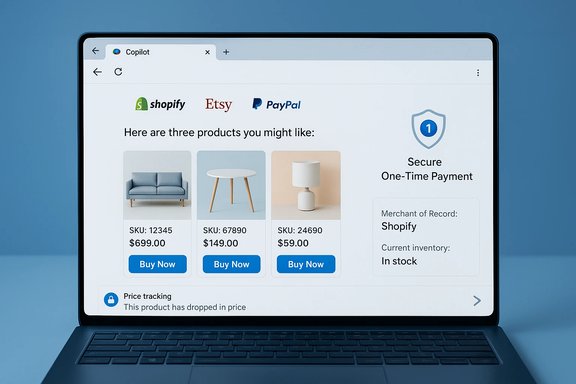
The move marks another decisive step in the industry shift from “links to actions”: rather than finishing a shopping conversation with a link to a merchant page, Copilot can now surface product choices and complete a checkout inside the chat or Copilot app itself. Microsoft positions this capability as Copilot Checkout—a friction-reducing feature that stitches together product discovery, price-tracking, merchant checkout rails and tokenized payments so users can confirm orders without being redirected to traditional storefront pages.This rollout follows a wave of similar agentic commerce initiatives launched across the ecosystem over the past year, where platforms and commerce providers introduced machine-readable product feeds, delegated-payment primitives and standardized agent-to-merchant protocols. The core technical primitives—structured catalog metadata, ephemeral tokenized payments, and an orchestration/runtime layer that manages multi-step agent flows—are now in active deployment across multiple vendors. Microsoft’s Copilot Checkout leverages those same primitives while relying on partnerships with Shopify, PayPal, Etsy and payments partners such as Stripe to route payments and keep merchants responsible for fulfillment and returns.
The promise is tangible: faster conversions, fewer tabs, and a more personal “concierge” experience inside a tool many people already use for answers. But the emergence of agentic checkout also raises immediate questions about privacy, merchant control, dispute handling, discoverability, and platform economics. This feature is as much a technical integration challenge as it is a strategic shift in where control and value accrue in the shopping stack.
How Copilot Checkout works — a technical walkthrough
The agentic stack in plain terms
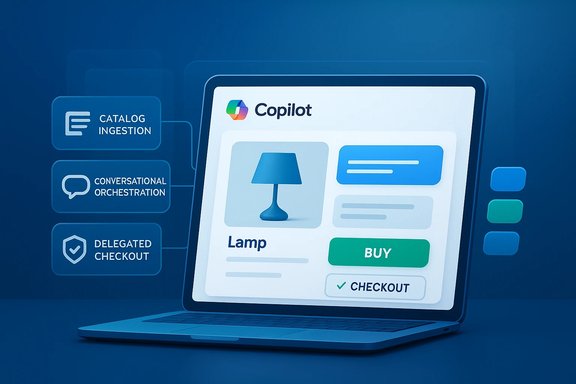
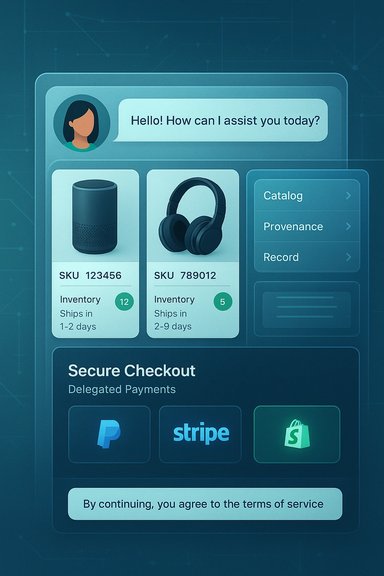
At a high level, Copilot Checkout implements three coordinated layers:- Discovery & product feed ingestion — Merchants (via Shopify or other platforms) publish machine-readable catalog data: SKUs, variants, GTINs, images, descriptions, inventory and shipping windows. Agents query these canonical records rather than scraping HTML product pages, which reduces hallucination risk and keeps responses grounded in merchant-provided data.
- Agent orchestration & conversational flow — The Copilot runtime parses natural-language shopper intent, asks clarifying questions when needed (size, color, delivery window), and presents a short list of vetted options. It maintains provenance—tracking which product records produced each suggestion—so actions can be tied back to auditable orders.
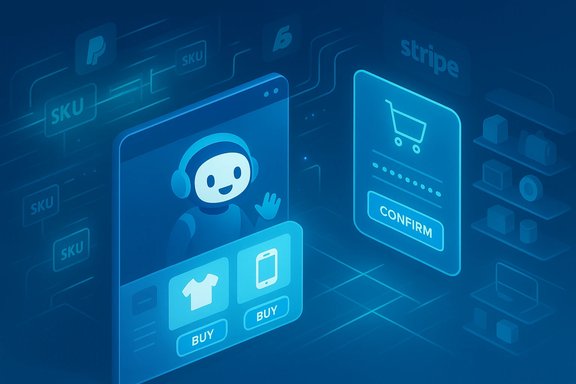
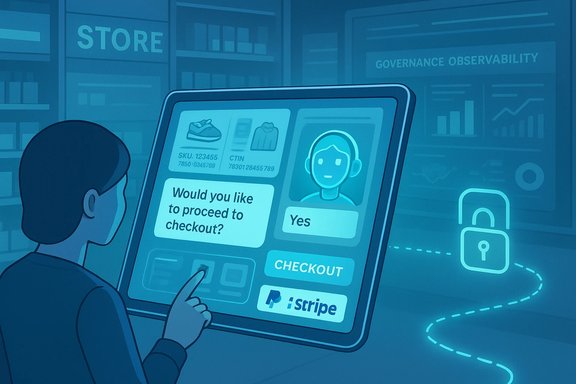
- Tokenized / delegated checkout — When the user confirms a purchase, the assistant requests a secure, short-lived checkout session or payment token that hands the transaction back to the merchant’s checkout system. The merchant remains the merchant of record; fulfillment, returns and customer service stay with them.
Key technical pieces
- Machine-readable product metadata: This is the foundation. Agents rely on structured feeds (Shopify Catalog or similar) so queries like “best cordless drill under $100” return verifiable SKUs with up‑to‑date inventory and shipping metadata.
- Checkout token: Instead of exposing raw payment instruments to the agent, the platform exchanges ephemeral credentials or a delegated payment token that authorizes a single transaction or session. This reduces direct exposure of card data to the assistant and gives a clear audit trail.
- Provenance & observability: Every step—from the query that discovered an item, to the agent’s reasoning and the checkout token—must be logged and associated with the resulting order to support disputes, refunds and regulatory requirements.
Where the plumbing comes from
Implementations of agentic commerce increasingly follow a standard pattern: platforms offer a catalog API or feed, payment partners support delegated/tokenized rails, and assistants expose a checkout affordance inside the conversation. Microsoft has bundled these pieces into Copilot Checkout, enabling merchants on Shopify (with opt-in/opt-out choices) and sellers on Etsy to be discoverable and shoppable within Copilot.The merchant side: benefits and trade-offs
Benefits for merchants
- New distribution channel: Agentic surfaces turn every conversational touchpoint into a potential storefront. Merchants who adopt machine-readable catalogs can appear inside assistant results without building bespoke integrations for each AI platform.
- Higher conversion potential: By shortening the funnel from discovery to checkout, assistants often lift conversion rates—users who ask and immediately confirm are less likely to abandon.
- Retention of merchant-of-record status: The architecture routes orders back to merchant checkout rails, preserving control over fulfillment and customer records.
Practical onboarding mechanics
- Shopify merchants are being enrolled by default after an opt-out window; merchants can also explicitly configure which AI platforms may surface their products and what storefront policies are shared with agents.
- Sellers on marketplaces like Etsy may be included through marketplace-level integrations that expose listings for discovery inside the assistant.
- Payment partners (Stripe, PayPal) provide the tokenized rails that let agents initiate purchases without storing raw card details.
Trade-offs and risks for merchants
- Discovery opacity: Platforms can control ranking and prominence inside assistant responses. That creates a new optimization problem—what some call Answer Engine Optimization—where merchants must tune metadata and policies to appear in conversational results.
- Dependency on platform rules and fees: Even if the merchant remains the merchant of record, platform-level rules and potential fees for in-chat purchases introduce new commercial dynamics that can be hard to predict.
- Operational friction if data hygiene is poor: Agentic checkout depends on clean catalogs and accurate inventory signals; stale data can cause order failures, disputes and chargebacks, putting vendor reputation at risk.
The consumer experience: convenience with caveats
What users gain
- Convenience & speed: The most obvious benefit is reducing context switches—no need to open multiple tabs, compare carts, or re-enter shipping details across sites.
- Guided buying: Copilot can ask intelligent clarifying questions—filter by dimensions, materials, or shipping urgency—and present curated options so decisions are easier.
- Integrated price tracking & rewards: Copilot also bundles helpful features such as price tracking notifications and cashback offers routed through payment partners, providing real monetary benefits if everything works as advertised.
What users should watch for
- Data used for personalization & advertising: The experience improves when Copilot has access to browsing context, purchase history or account signals. That same data can be used for personalization and may feed into advertising or measurement products unless consumers adjust privacy settings.
- Consent and opt-in: Many features require explicit opt-in for Copilot to read tab context, stored credentials or purchase history. Responsible defaults and clear consent flows are essential for trust.
- Dispute resolution complexity: Although merchants are the merchant of record, the addition of an assistant orchestrating checkout adds an intermediary layer that complicates dispute narratives—users should check how refunds, buyer protections and dispute handling are documented for in-chat purchases.
Privacy, security and compliance concerns
Privacy trade-offs
Agentic checkout accumulates a concentrated dataset: queries, intent signals, chosen products, and transaction provenance tied to accounts. That dataset is extremely valuable for personalization and advertising, but also raises risk if used without clear boundaries.- Platforms must make it explicit what data powers personalization and what is used for advertising.
- Users should expect to manage settings across devices and browsers to fully opt out of tracking, since cookie clearing or device-limited preferences may not be enough to revoke all signals.
Payment security & fraud mitigation
Tokenized checkout substantially reduces exposure of raw card data to assistants, which is a meaningful security improvement. But tokens introduce other requirements:- Tokens must be short-lived and scoped.
- There must be auditable logs tying token issuance to the confirming user intent.
- Payment and fraud systems must adapt to agent-originated flows and new claims patterns.
Regulatory and consumer protection questions
- Disclosure and transparency: Agents must state when recommendations are influenced by commercial relationships, platform placement or sponsored content.
- Data portability and retention: Consumers and regulators will press platforms for clarity on how long conversational logs are retained and how they can be exported or deleted.
- Antitrust scrutiny: When large OS/platform owners convert conversations into commerce and control discoverability, regulators may examine whether those platforms unfairly advantage their own services or partners.
Business implications — who wins, who risks losing
Platform plays
Platforms such as Microsoft, OpenAI and Google are racing to capture the “last inch” of shopping: the moment of purchase. Owning that surface confers several strategic benefits:- New monetization: Platforms can monetize discovery, placement, or checkout convenience—either through fees, revenue share, or offer-placement economics.
- Sticky experiences: The more users complete high-frequency actions like shopping inside an assistant, the more integrated the assistant becomes in daily life.
- Data advantage: Transactions provide feedback loops that improve personalization and agent accuracy.
Merchants and commerce platforms
Commerce platforms (Shopify, Etsy) benefit by syndicating catalogs widely, converting their long tail of merchants into discoverable feeds that drive demand. However, merchants face increased dependency on platform policies and must invest in catalog hygiene and fulfillment reliability.Payments industry
Payments firms that supply tokenization and dispute tools (Stripe, PayPal) play a vital role and stand to monetize new payment flows. They also absorb operational risk for disputes initiated in conversational contexts and must upgrade tooling accordingly.Competitive dynamics
These integrations do not occur in a vacuum. ChatGPT’s Instant Checkout, Google’s shopping agents and other entrants already push the market toward in-chat commerce. Microsoft’s Copilot strategy differentiates itself through deep OS and browser integration (Edge + Windows account signals) and enterprise-forward governance features—advantages that may tilt adoption among users who trust Microsoft’s ecosystem.Comparing the approaches: Microsoft vs. other assistants
Microsoft’s approach emphasizes merchant-of-record continuity and integration with large commerce platforms like Shopify and marketplaces like Etsy, while also relying on established payments partners to provide secure tokenized checkout. Other assistants (for example, ChatGPT’s Instant Checkout) have taken earlier steps toward in-chat purchases, but platforms differ in rollout strategy, fees, and where they place merchant control.Key distinctions to watch:
- Enrollment model: Shopify merchants may be auto-enrolled with opt-out windows, while other platforms might require explicit opt-in.
- Fee and revenue model: Platforms can charge merchants for in-chat transactions, keep affiliates, or maintain neutral search-style treatment.
- Privacy and governance: Microsoft’s enterprise and account-level governance controls may appeal to privacy-minded users and organizations, but cross-device opt-out complexity remains a practical issue.
Practical guidance and takeaways for Windows and Edge users
- Review Copilot privacy settings: Understand and configure what Copilot can read—open tabs, browsing history, or stored payment and shipping information—before enabling in-chat checkout features.
- Merchants: audit catalog hygiene: Ensure SKUs, images, variant information, shipping windows and return policies are accurate and machine-readable to prevent order errors once agentic discovery surfaces your products.
- Users: know buyer protections: Verify whether purchases completed inside Copilot provide the same dispute and buyer protection guarantees you expect from the merchant or payment provider.
- Security hygiene: Use payment methods with buyer protections (PayPal or card networks that support dispute resolution) and monitor statements for unfamiliar charges when using new in-chat checkout paths.
Risks and unanswered operational questions
- Attribution and discoverability algorithms: Merchants must be prepared for a world where appearing in an assistant’s top result matters. The criteria for ranking inside a conversational result—relevance, price, merchant agreements—are opaque and likely to evolve.
- Operational fallbacks: How does the assistant handle partial failures—out-of-stock items, token expiration, or mismatch between cart and fulfillment? Robust fallbacks and clear user-facing messaging are essential to avoid negative experiences.
- Cross-border and tax compliance: In-chat orders that span jurisdictions introduce complexities in tax calculation, duties and regulatory compliance that need merchant and platform coordination.
- Long-term competition and market power: Platforms that tie an assistant closely to an OS or browser may have structural advantages that attract merchants and reduce the viability of independent discovery channels.
Strategic verdict — what this means for Windows users, merchants, and the web
Copilot Checkout is a natural next step in the evolution of commerce on the internet: it closes the loop between conversational discovery and transaction completion. For consumers, the upside is clear—less friction, faster purchases, and potentially better personalization. For commerce platforms and payment providers, agentic commerce opens new monetization and distribution channels.Yet the change is not only technical; it's strategic. The platform that hosts the shopping surface gains disproportionate influence: it shapes discoverability, defines dispute narratives, and controls the new measurement primitives that will guide merchants’ optimization strategies. That concentration of influence invites scrutiny from merchants, consumers and regulators alike.
The net outcome will depend on execution: do platforms implement robust privacy defaults, transparent ranking rules, auditable provenance of agent actions and reliable tokenized payment flows? Or will convenience outpace governance, creating friction for consumers and burdens for merchants? The answer will determine whether copilot-driven checkout becomes a durable convenience or another battleground in the debate over platform power and user agency.
Conclusion
Turning conversations into purchases is now a production capability, and Microsoft’s Copilot Checkout—backed by integrations with Shopify, PayPal and marketplaces like Etsy—concretely demonstrates the commerce future many companies have been designing toward: agentic commerce, where discovery, personalization and checkout are woven into the fabric of the conversational assistant.Adoption will hinge on the small, operational details: accurate product feeds, scoped payment tokens, clear provenance and dispute pathways, and transparent opt-in controls. When those pieces work together, users gain a faster, smarter shopping experience; when they fail, the consequences will be customer confusion, merchant headaches and regulator attention.
For Windows and Edge users, the new experience is compelling but not frictionless—review privacy settings, understand buyer protections, and expect the ecosystem to iterate quickly. For merchants, the message is simple: investing in clean, machine‑readable product data and reliable fulfillment is no longer optional; it is a prerequisite to appearing and competing inside the assistants users increasingly trust.
The next year will be decisive. If platforms pair convenience with clear governance and robust merchant tooling, agentic checkout could become a mainstream, secure way to shop. If not, it will be a cautionary tale about speed without sufficient safeguards.
Source: Axios Microsoft turns Copilot chats into a checkout lane with Shopify, PayPal and Etsy